Fukuoka Yatai Street Food: Japan’s Best Night Eats
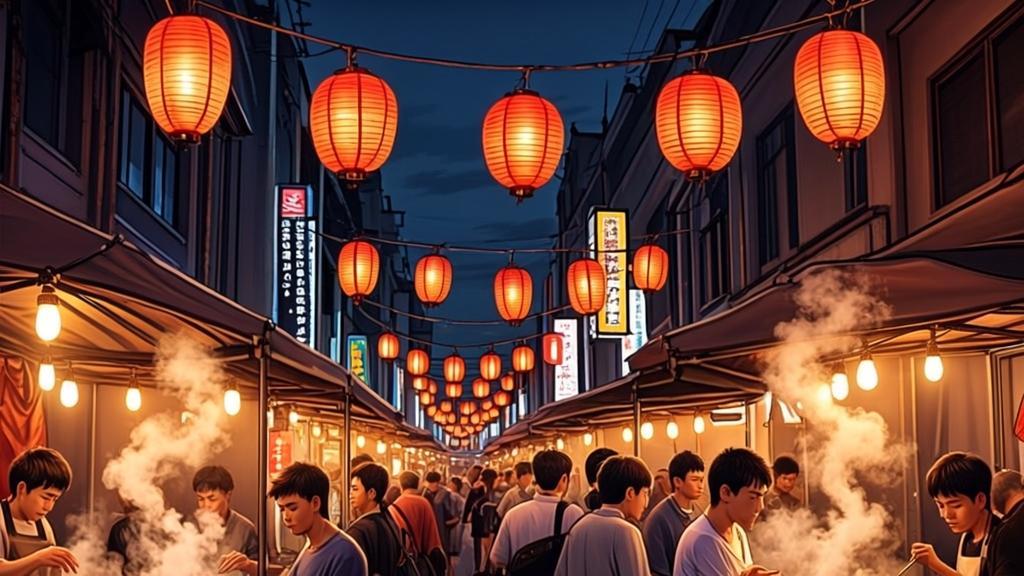
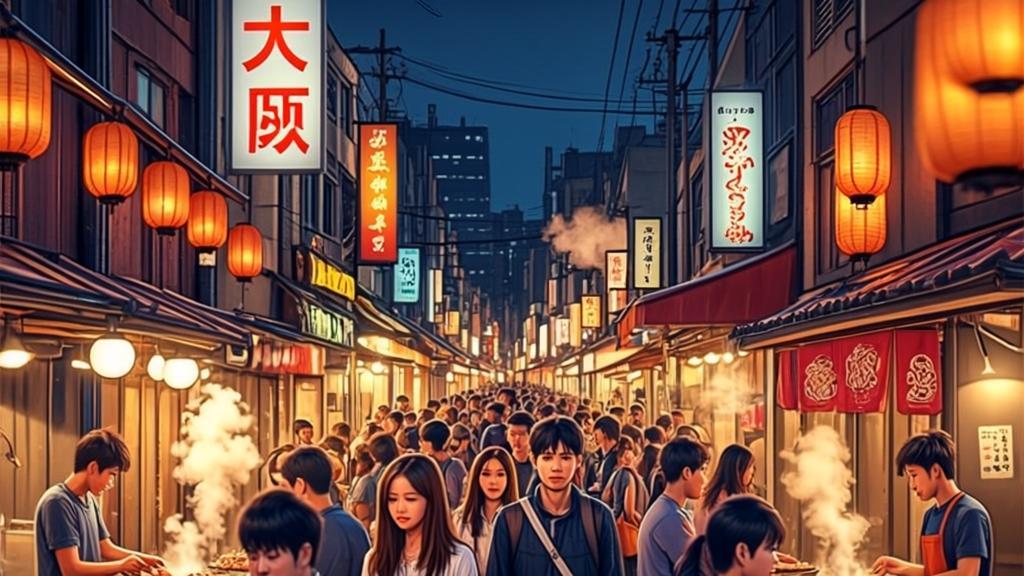
I still remember my first night in Fukuoka. I was wandering through the streets after dark, honestly a bit lost, when I stumbled upon these incredible little food stalls with red lanterns casting a warm glow on the wet pavement. The smell of grilled chicken and rich pork broth hit me like a wave. That was my introduction to Fukuoka yatai street food, and honestly, it changed how I think about Japanese cuisine forever.
Having lived in Japan for over eight years now, I’ve been to Fukuoka probably a dozen times. Each visit, I make it a point to spend at least one evening at these legendary outdoor food stalls. There’s really nothing quite like sitting shoulder-to-shoulder with locals and tourists alike, slurping ramen while steam fogs up your glasses. It’s raw, authentic, and utterly delicious.
What Makes Fukuoka’s Yatai Special

So here’s the thing about yatai – they’re actually illegal in most Japanese cities. Strict food safety regulations and urban planning laws pushed street vendors out of places like Tokyo and Osaka decades ago. But Fukuoka? This city somehow held onto its yatai culture, making it the only place in Japan where you can legally experience this kind of authentic street food scene.
The history goes back to around 1945, right after World War II. With the economy in shambles, enterprising locals set up simple food stalls to feed hungry workers and make a living. What started as a survival strategy became a beloved cultural institution. Today, there are roughly 40-50 licensed yatai operating across the city, passed down through generations of the same families.
What I really love about yatai is the intimacy. Most stalls seat only 8 to 12 people, crammed together on benches around a tiny kitchen. You can watch the chef work his magic right in front of you – the precise knife work, the timing of each ingredient, the flourish of adding that final topping. It’s dinner and a show rolled into one.
The atmosphere is something else entirely. Picture this: it’s 9 PM, the city lights are reflecting off the pavement, and you’re sitting next to a salaryman who just got off work, a couple on a date, and maybe a group of college students celebrating something. Everyone’s chatting, sharing recommendations, sometimes even passing dishes around. It’s communal dining at its finest.
Best Yatai Areas in Fukuoka
Over the years, I’ve eaten my way through pretty much every yatai area in the city. Let me break down the three main spots you should know about.
Nakasu – The Heart of Yatai Culture

Nakasu is the big one. With around 20 yatai concentrated in a relatively small area, it’s the largest and most famous yatai district in Fukuoka. Located on a narrow strip of land between the Naka River and the Hakata district, this place comes alive after sunset.
The first time I visited Nakasu, I was honestly overwhelmed by the choices. Stall after stall, each with its own character and specialties. What I’ve learned is that you really can’t go wrong here – every yatai has its loyal regulars and unique charm.
Some stalls that have become my personal favorites over the years:
Hirano (ひらの) – This place is legendary for its oden. The owner has been running the stall for decades, and you can taste the experience in every bite. The daikon radish, slow-cooked in that rich dashi broth, is honestly life-changing. I’ve seen people line up for 30 minutes just for a seat here.
Yama-chan (やまちゃん) – If you’re into yakitori, this is your spot. The chicken is grilled to perfection over charcoal, with just the right amount of char and seasoning. A single yakitori stick costs around 150-200 yen, which is pretty reasonable when you taste the quality.
Jigen (じげん) – Great all-rounder with a friendly owner who loves chatting with foreign visitors. Their gyoza is fantastic, and the beer is always cold.
Getting there is pretty straightforward. Take the subway to Nakasu-Kawabata Station and walk about 3-5 minutes toward the river. You can’t miss the red lanterns glowing in the distance.
Tenjin – Urban Yatai Experience

Tenjin is Fukuoka’s bustling downtown district, and the yatai here have a slightly different vibe. With about 10 stalls scattered around the area, it’s more spread out than Nakasu but still very accessible. What I like about Tenjin is the contrast – you’re eating traditional street food with modern skyscrapers as your backdrop.
The star of Tenjin’s yatai scene is undoubtedly Kogane-chan (小金ちゃん). I discovered this place on my third trip to Fukuoka, and now I can’t visit the city without stopping by. Their tonkotsu ramen is absolutely incredible – rich, creamy broth that’s been simmering for hours, perfectly cooked noodles, and tender chashu pork. A bowl will set you back around 700-800 yen, which is honestly a steal for this quality.
Tenjin is super easy to reach. Just take the subway to Tenjin Station and you’re basically there. The stalls are usually set up along Meiji-dori and the surrounding streets.
Nagahama – Birthplace of Tonkotsu Ramen
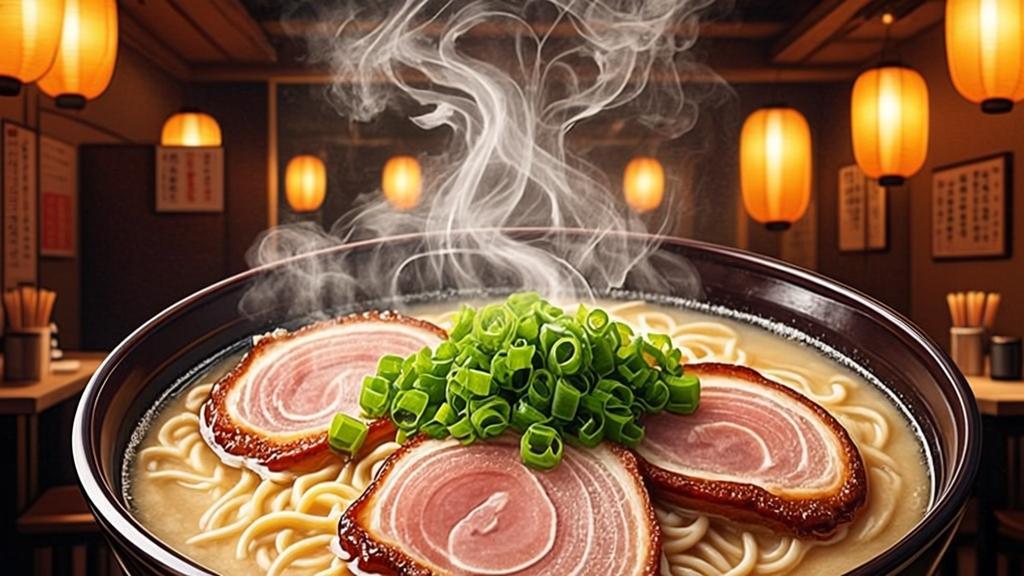
Okay, ramen lovers, this one’s for you. Nagahama is where Fukuoka’s famous tonkotsu ramen was born, and some of the best bowls I’ve ever had have been in this neighborhood. There are about 8 yatai here, and they take their ramen seriously.
Ganso Nagahamaya (元祖長浜屋) – The name literally means “Original Nagahama Shop,” and they’ve been serving ramen since the early days. The broth here is lighter than what you’ll find elsewhere in Fukuoka, but it’s packed with umami. I always order mine with extra chashu and a seasoned egg. Pure heaven.
Karono-Uron (かろのうろん) – Don’t let the quirky name fool you. This place serves some of the most flavorful oden in the city. The owner is this lovely older woman who’s been running the stall for over 30 years. She always remembers returning customers, which makes the experience feel really special.
To get to Nagahama, take the subway to Akasaka Station and walk about 3-5 minutes toward the waterfront. The stalls usually set up along the Nagahama-dori street.
Must-Try Dishes at Fukuoka Yatai
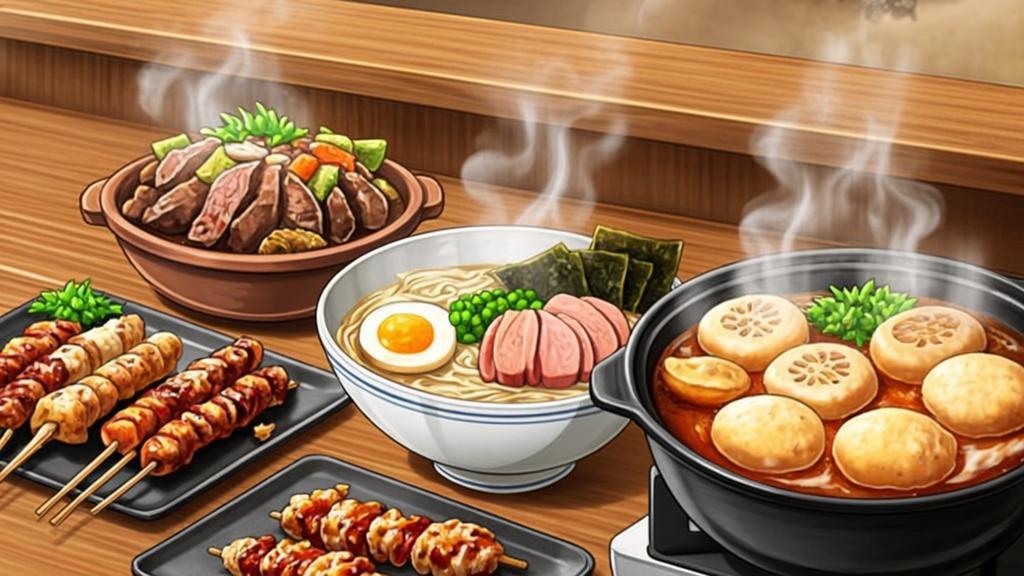
After countless meals at yatai across Fukuoka, I’ve developed some strong opinions about what you absolutely need to try. Here’s my hit list:
Tonkotsu Ramen – This is non-negotiable. Fukuoka’s signature dish features a rich, milky pork bone broth that’s been simmered for hours until it turns creamy white. The noodles are thin and firm, and toppings typically include chashu pork, green onions, and pickled ginger. Prices range from 650 to 900 yen depending on the stall and toppings. My advice? Get it with kaedama (extra noodles) for an additional 100-150 yen when you’re about halfway through. It’s the local way.
Yaki Ramen – This is actually a Fukuoka invention, and it’s brilliant. Take regular ramen, throw it on a hot iron griddle with some sauce and bean sprouts, and you get this incredible stir-fried noodle dish. The noodles get slightly crispy while staying chewy inside. I was skeptical at first, but now I order it every time.
Yakitori – Grilled chicken skewers are a yatai staple. Most places offer various cuts – thigh, breast, skin, liver, heart, you name it. Each stick costs 150-200 yen, so you can easily try several without breaking the bank. The negima (chicken thigh with green onion) is always a solid choice.
Oden – This traditional winter dish consists of various ingredients like daikon radish, boiled eggs, konjac, and fish cakes simmered in a light soy-based broth. It’s comfort food at its finest. Each ingredient is priced separately (usually 100-200 yen per piece), so you can customize your bowl. Pro tip: the longer an item has been simmering, the more flavorful it’ll be.
Motsunabe – Beef offal hot pot might not sound appealing to everyone, but hear me out. The tender pieces of tripe absorb all the flavors of the broth, which is usually seasoned with soy sauce or miso. It’s a Fukuoka specialty, and yatai versions are often more authentic than what you’ll find in restaurants. Grab a few friends to share – it’s a communal experience.
Practical Tips for First-Time Visitors

I’ve made plenty of mistakes at yatai over the years, so let me save you some trouble with these tips:
Timing matters. Yatai typically open around 6:00 PM and close around 2:00 AM. But here’s what I’ve learned – if you go too early (right at 6), some stalls might not be fully set up yet. If you go too late (after midnight), you might miss out on popular dishes that have sold out. My sweet spot is usually around 7:30-9:00 PM.
Cash is king. Most yatai still operate on a cash-only basis. I’ve been caught off guard by this more than once. That said, more stalls are starting to accept PayPay and other mobile payments, especially in the busier areas. Still, I always make sure to have at least 3,000-5,000 yen in cash before heading out.
Space is limited. Remember, these are tiny stalls with 8-12 seats max. If you’re with a large group, you might need to split up or wait for everyone to finish before leaving. Don’t linger too long after eating – there are probably people waiting for your seat.
Weather affects everything. Yatai are outdoor establishments, so they don’t operate in bad weather. Rain? They’ll be closed. Strong winds? Probably closed. Typhoon? Definitely closed. I always check the forecast before making yatai plans.
No reservations. You can’t book a table at yatai. It’s first come, first served. During peak times and weekends, be prepared to wait. I’ve waited up to 45 minutes for popular stalls, and honestly, it was worth it every time.
Be adventurous. Some of my best yatai experiences came from just pointing at what the person next to me was eating and ordering the same thing. Don’t be afraid to ask for recommendations – most owners and regulars are happy to help, even if there’s a language barrier.
Respect the space. Yatai are someone’s livelihood and passion. Treat the space with respect, don’t be overly loud or disruptive, and always say “gochisousama” when you leave. It’s a small gesture that goes a long way.
Make Your Japan Trip More Exciting with Japaner Guide
If you’re planning a trip to Fukuoka or anywhere else in Japan, having reliable, up-to-date information can make all the difference. That’s where Japaner Guide comes in. It’s a fantastic resource I’ve personally used for discovering hidden gems, local restaurants, and authentic experiences that most tourists never find.
Whether you’re looking for the best yatai in Fukuoka, trying to navigate the subway system, or searching for off-the-beaten-path destinations, Japaner Guide has got you covered with practical tips and insider knowledge from people who actually live in and love Japan.

Trust me, after years of exploring Japan, I can tell you that the best experiences often come from local recommendations. Japaner Guide connects you with that local knowledge, making your trip more memorable and authentic. Give it a look before your next adventure!