The Ultimate Guide to Tsukiji Toyosu Market Food: Where to Eat and What to Order
I still remember my first visit to Tsukiji Market like it was yesterday. The smell of grilled seafood mixed with the salty Tokyo Bay air, vendors calling out their daily specials, and that first bite of impossibly fresh tamagoyaki—it honestly changed how I think about Japanese food forever. If you’re planning a trip to Tokyo and wondering where to experience the best seafood breakfast of your life, you’ve come to the right place.
Having visited both Tsukiji Outer Market and the newer Toyosu Market more times than I can count, I’ve developed some pretty strong opinions about where to go and what to eat. And trust me, they’re quite different experiences, each with its own unique charm. Let me walk you through everything you need to know about Tsukiji Toyosu Market food so you can make the most of your visit.
Tsukiji vs Toyosu: What’s the Difference?
This is probably the question I get asked most often, and honestly, it’s a great one. When the inner wholesale market moved from Tsukiji to Toyosu in 2018, a lot of people thought Tsukiji was “dead.” But that couldn’t be further from the truth.
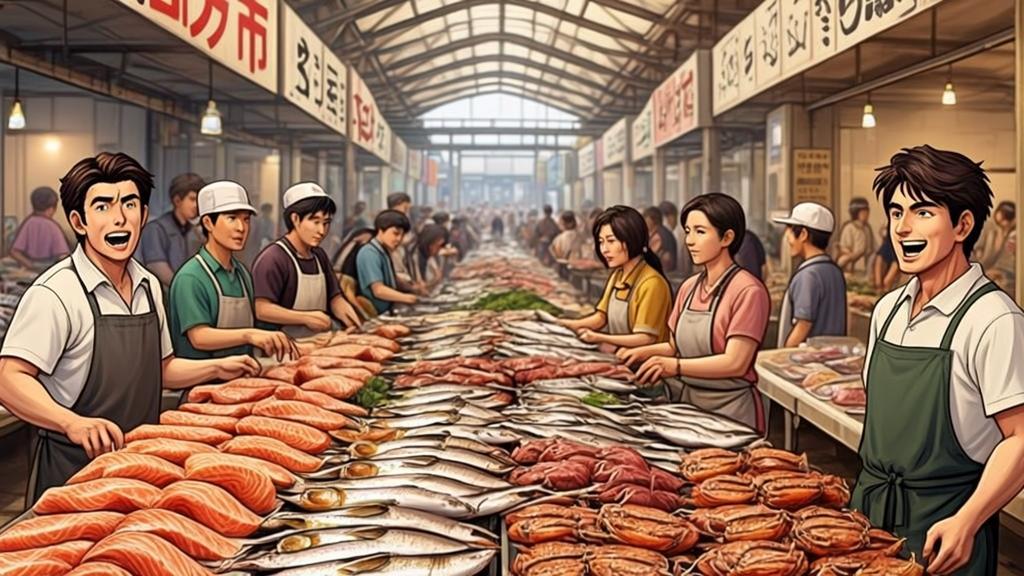
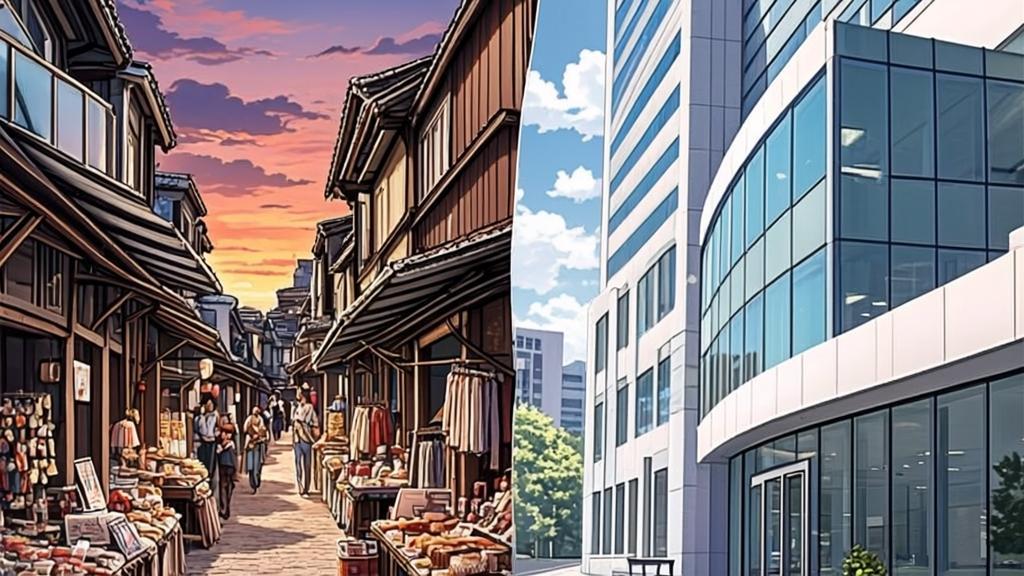
Tsukiji Outer Market is still very much alive and kicking. Think of it as a bustling street food paradise with over 400 shops packed into narrow, atmospheric lanes. This is where you go for that classic old-Tokyo vibe—walking around with a skewer of grilled scallops in one hand and a tamagoyaki in the other, jostling with locals and tourists alike. The energy here is really something special.
Toyosu Market, on the other hand, is modern, clean, and spacious. It’s where the actual tuna auction happens now, and it feels more like a contemporary food court meets high-end sushi destination. If you want to watch the famous tuna auction or sit down for a seriously good sushi breakfast, this is your spot. Just don’t expect the same gritty, authentic atmosphere as Tsukiji.
My advice? Visit both if you have time. They’re only about 15 minutes apart by train, and each offers something genuinely different. I usually start at Toyosu early in the morning for sushi, then head to Tsukiji for street food snacking.
Best Food at Tsukiji Outer Market
Okay, let’s get to the good stuff. Tsukiji Outer Market is honestly a food lover’s dream, and I’ve spent countless mornings here sampling pretty much everything. Here are my absolute must-tries.
Tamagoyaki – The Classic Start
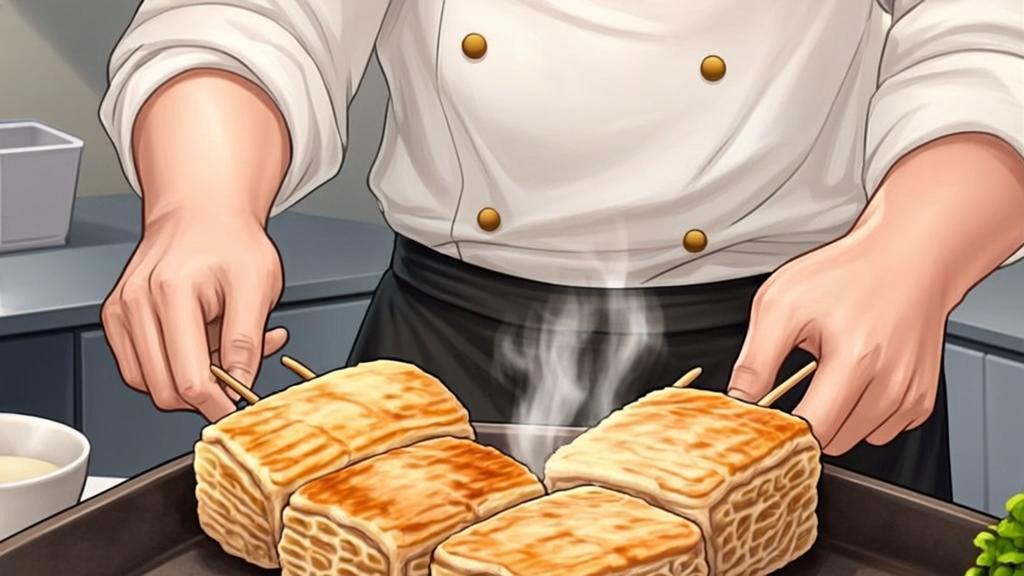
You really can’t talk about Tsukiji without mentioning tamagoyaki, that fluffy Japanese rolled omelet served on a stick. It’s practically the market’s mascot at this point. I’ve tried tamagoyaki all over Japan, and there’s something about the ones here that just hits different.
Marutake (丸武) is probably the most famous spot, and for good reason. Watching the chefs skillfully roll these golden omelets on rectangular pans is honestly mesmerizing. They’re slightly sweet, incredibly fluffy, and cost just 100-150 yen. The line can get pretty long, but it moves quickly.
Yamacho Tamago (山長玉子焼) is another solid option right nearby. Some people actually prefer theirs to Marutake’s, so if the line at Marutake looks intimidating, just hop over here. You’re getting essentially the same experience.
Pro tip: eat it warm, right after you buy it. That’s when the texture is at its absolute best.
Fresh Seafood Donburi
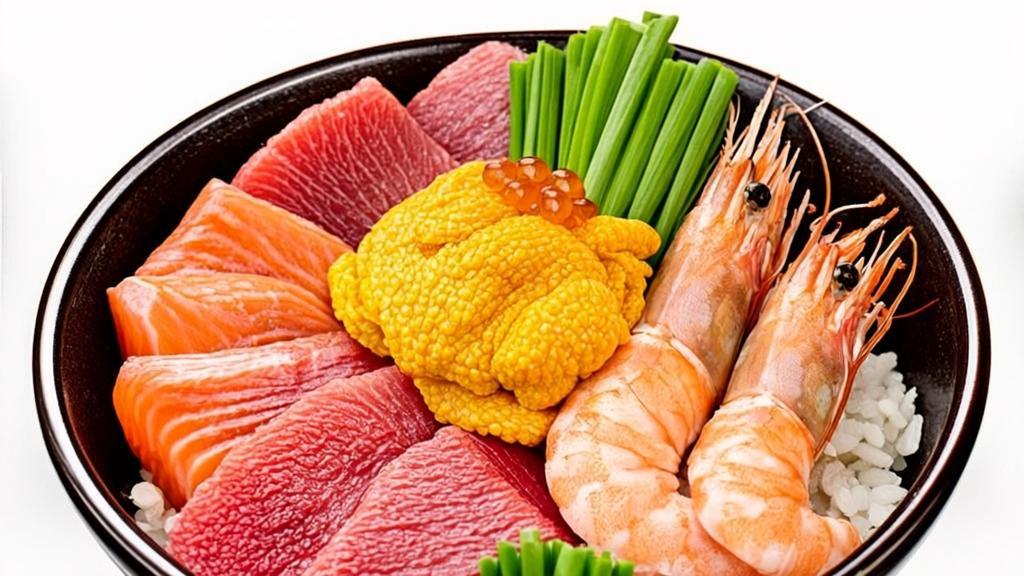
If you want something more substantial, a seafood donburi (rice bowl) is the way to go. This is where Tsukiji really shines—you’re getting fish that was probably swimming just hours ago.
Kanno Suisan (菅野水産) is my go-to for kaisendon. Their bowls are absolutely loaded with fresh salmon, tuna, shrimp, sea urchin, and roe. Prices start around 1,500 yen and go up depending on what you choose. It’s not the cheapest breakfast you’ll ever have, but for the quality, it’s actually a pretty solid deal.
Tsukiji Donburi Market is another excellent option if you want to customize your bowl. You pick your toppings, they pile them onto rice, and you walk away happy. Simple as that.
Street Food Favorites
This is where Tsukiji really comes alive. The variety of street food here is honestly overwhelming in the best possible way. Let me share some of my personal favorites.
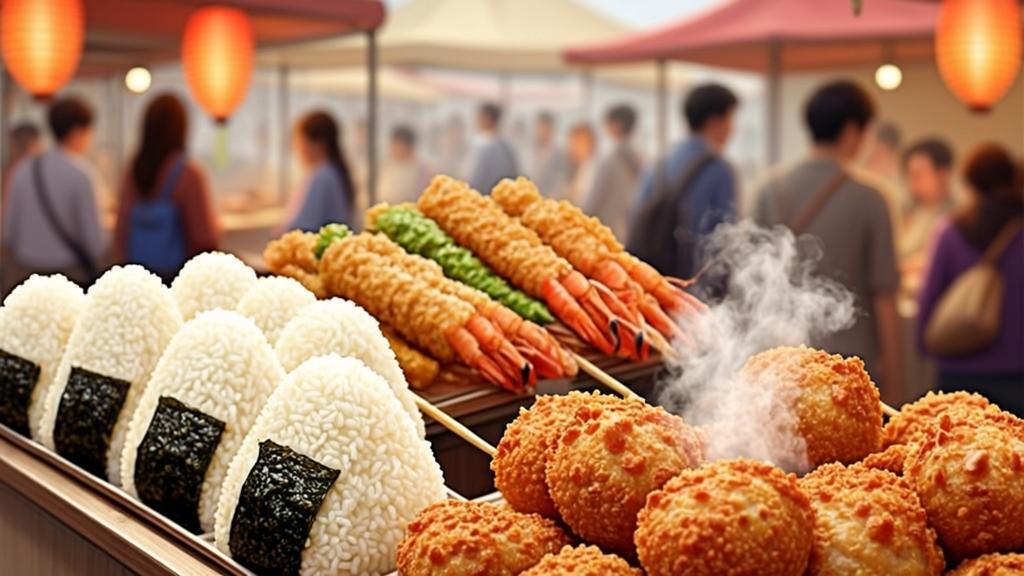
Tsukiji Marutoyo (築地丸豊) is where I always stop for onigiri. They have over 50 varieties of rice balls, which sounds excessive until you’re standing there trying to choose. My recommendation? Go for the deep-fried soft-boiled egg onigiri—it’s this incredible combination of crispy rice exterior and runny egg center that I haven’t found anywhere else. Prices are super reasonable, usually 200-400 yen each.
Aji no Hamatou (味の浜藤) is legendary for tempura. Their shrimp tempura is crispy, light, and absolutely massive. You can get it as a set meal or just grab some pieces to go. Either way, you’re in for a treat.
And don’t sleep on the smaller stalls selling grilled seafood skewers, croquettes, and menchi-katsu (fried meat cutlets). Honestly, sometimes the best bites come from the places you’ve never heard of. That’s part of the adventure.
Best Food at Toyosu Market
Toyosu is where you come when you’re serious about sushi. The restaurants here are legendary, many having moved from the original Tsukiji inner market, and the quality is honestly mind-blowing.
Sushi Dai and Daiwa Sushi
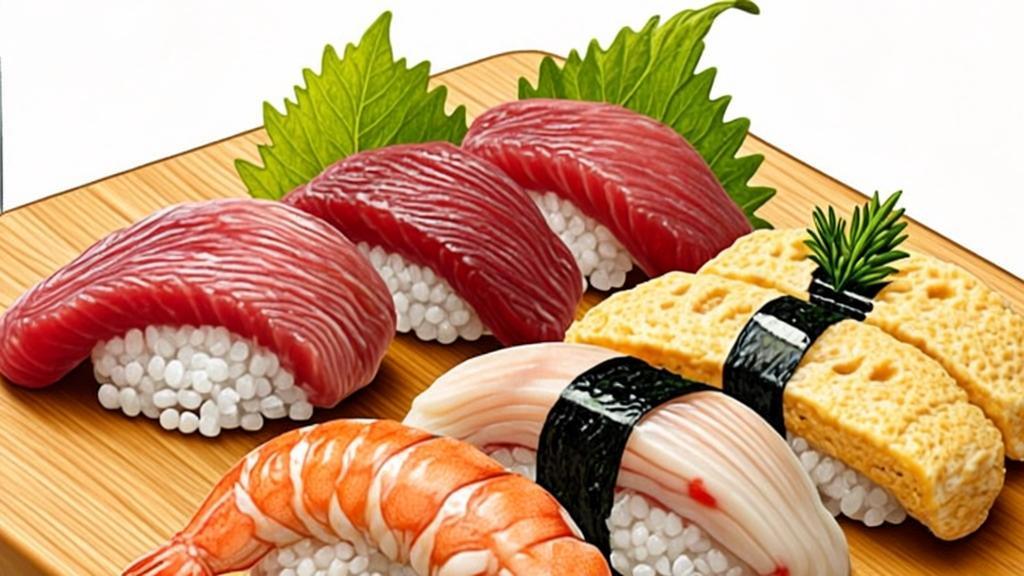
Let’s talk about the heavy hitters. Sushi Dai (寿司大) and Daiwa Sushi (大和寿司) are arguably the most famous sushi restaurants in all of Japan. These are the places people line up for at 5 AM. Yes, you read that right—5 AM.
I’ve done the Sushi Dai queue a few times, and honestly? It’s worth it. You grab a numbered ticket, they tell you when to come back (usually 2-3 hours later), and you go explore the market or watch the tuna auction while you wait. The omakase set, which usually runs around 4,400-5,000 yen, includes about 10-12 pieces of the freshest nigiri you’ll ever taste. The fatty tuna (otoro) literally melts in your mouth.
Daiwa Sushi is right next door and equally excellent. Some people actually prefer it because the line moves a bit faster. You really can’t go wrong with either one.
Turret Coffee and Other Gems
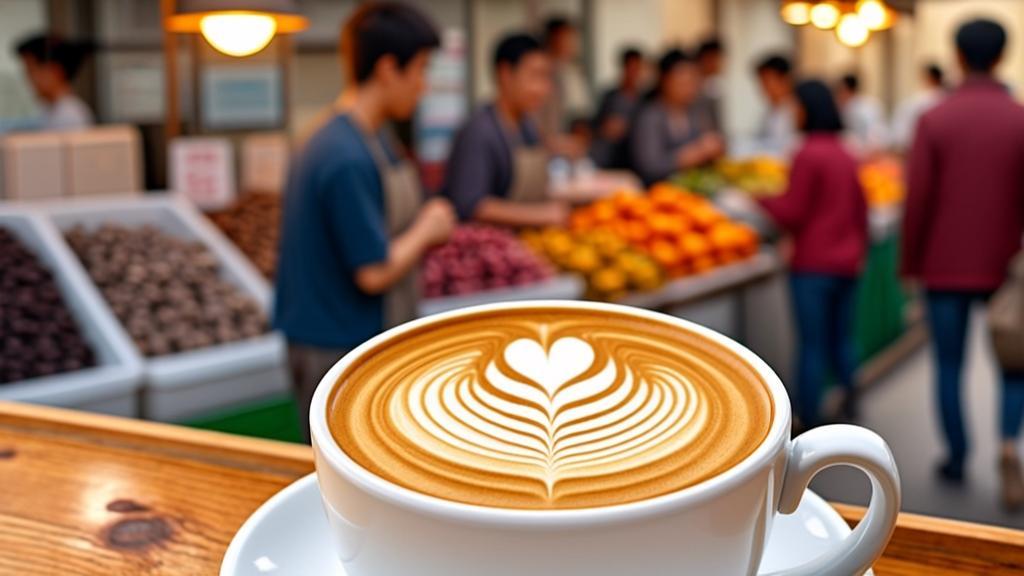
Not everything at Toyosu is about seafood. Turret Coffee is this cool little coffee stand that serves excellent espresso drinks out of a tiny turret truck—a nod to the market’s history. It’s the perfect pick-me-up after an early morning of eating.
There’s also Tonkatsu Yachiyo (とんかつ八千代), which serves incredible fried pork cutlets. It might seem odd to get tonkatsu at a fish market, but trust me, this place is legit. They’ve been doing it for decades.
Toritou (鳥藤) is another standout, specializing in yakitori and oyakodon (chicken and egg rice bowl). It’s a nice break if you’ve OD’d on seafood.
Senkaku Banrai – The New Hotspot
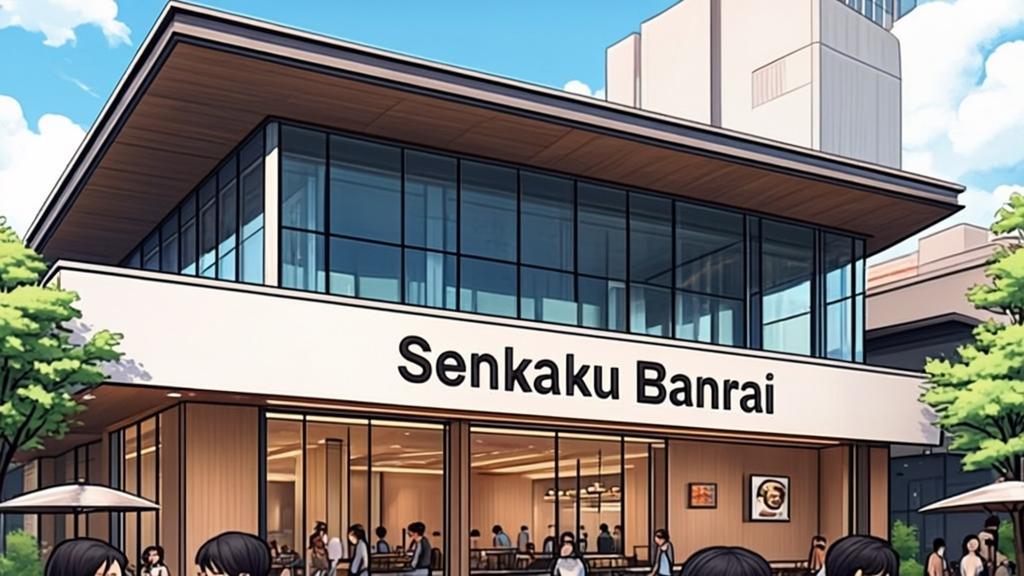
The newest addition to Toyosu is Senkaku Banrai (千客万来), a massive complex that opened recently. It’s divided into two sections: the food hall on the first floor and restaurants and hot springs on the upper floors.
The food hall here is honestly impressive—dozens of stalls selling everything from premium wagyu to fresh oysters to craft beer. It’s more upscale than Tsukiji, with indoor seating and a much more comfortable environment. If you’re visiting with family or just want a more relaxed experience, this is a great option.
Plus, there’s a hot spring facility upstairs. Yes, you can literally soak in natural hot springs after stuffing yourself with sushi. Tokyo really does have everything.
Tuna Auction Viewing Guide
Watching the tuna auction is one of those quintessential Tokyo experiences, and Toyosu is the only place where you can do it now. But here’s the thing—it’s not as simple as just showing up.
The auction runs from roughly 5:30 AM to 6:30 AM, and there are two ways to watch. The free option is from the second-floor observation windows. You’re watching through glass, but you can still see the action and get a feel for the atmosphere. No reservation needed—just show up.
If you want the up-close experience, you’ll need to apply for the observation deck lottery in advance. This puts you right on the auction floor, separated only by a low barrier. It’s intense and fascinating and definitely worth doing if you can swing it. Applications for each month usually open around the 10th of the previous month on the Toyosu Market website.
My advice? Go early regardless. Even if you don’t get the close-up spot, the energy in the market at 5 AM is something really special. Just make sure to check the market calendar—they’re closed on certain Wednesdays, Sundays, and holidays.
Practical Tips for Visiting
After countless visits, I’ve learned a few things that can make or break your Tsukiji Toyosu experience. Here’s what you really need to know.
Timing is everything. Both markets are morning destinations. Most stalls open around 5:00 AM and start closing by 2:00 PM. If you show up at 3 PM expecting a feast, you’re going to be disappointed. I usually arrive around 7-8 AM, which is early enough to beat the worst crowds but late enough that I’m not waiting in the dark.
Getting there: For Tsukiji Outer Market, the closest station is Tsukijishijo on the Toei Oedo Line. Tsukiji Station on the Hibiya Line is also nearby. For Toyosu, take the Yurikamome Line to Shijo-mae Station—it’s literally right at the market entrance.
Bring cash. While some places now accept credit cards, many of the best stalls are still cash-only. Trust me, you don’t want to miss out on that perfect tamagoyaki because you only had plastic.
Wear comfortable shoes. You’ll be doing a lot of standing and walking, especially at Tsukiji where the lanes are narrow and crowded. And dress in layers—the markets can be chilly in the early morning but warm up quickly.
Don’t overplan. Part of the fun is discovering new things. Yes, have a list of must-try spots, but also leave room for spontaneous detours. Some of my best meals have come from random stalls I stumbled upon.
Make Your Japan Trip More Exciting with Japaner Guide
Look, I could write about Japanese food all day (and honestly, I kind of just did). But nothing beats actually being there—feeling the energy of the market, tasting that first bite of impossibly fresh fish, and creating memories that’ll stick with you forever.
If you’re planning a trip to Japan and want to discover more hidden gems like these markets, I highly recommend checking out Japaner Guide. It’s an incredible resource for travelers who want to experience Japan like a local, not just hit the usual tourist spots.
From food recommendations to cultural insights to practical travel tips, Japaner Guide has everything you need to make your Japan adventure truly unforgettable. Because let’s be honest—the best trips are the ones where you discover things you never even knew you were looking for.
So what are you waiting for? Start planning your Tsukiji Toyosu food adventure today. Just make sure to bring an empty stomach and a sense of adventure. You’re going to need both.