Discovering the Best Ameyoko Ueno Street Food: A Local’s Honest Guide
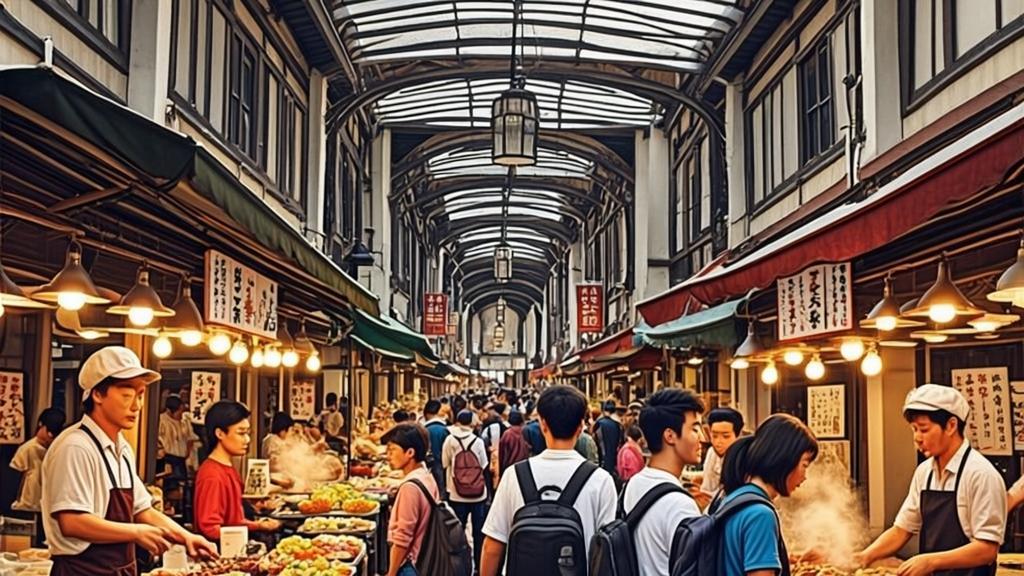
I’ve been exploring Tokyo’s food scene for years now, and honestly, few places get me as excited as Ameyoko in Ueno. This isn’t your typical polished tourist attraction—it’s raw, loud, and completely authentic. The moment you step into this bustling market street, you’re hit with the smell of grilling seafood, the sound of vendors calling out their deals, and this incredible energy that honestly makes you feel like you’ve stumbled onto something special. If you’re looking for genuine Ameyoko Ueno street food experiences, you’ve come to the right place.
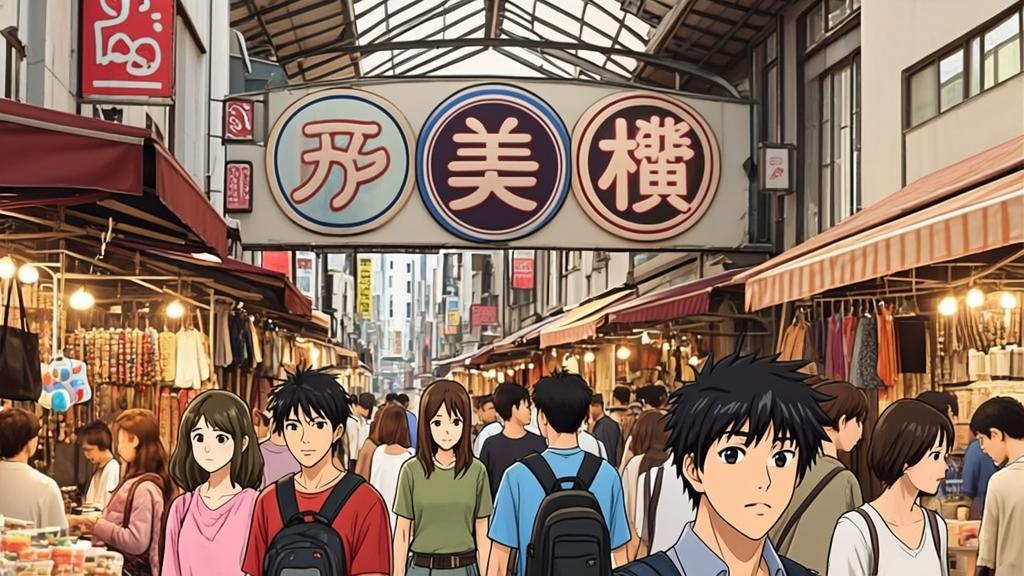
I remember my first visit here pretty clearly. I was actually looking for a specific souvenir shop when I wandered into this covered arcade by accident. That was maybe five years ago, and I’ve been coming back regularly ever since. The place just has this pull that’s hard to explain until you experience it yourself.
What Makes Ameyoko Special
So here’s the thing about Ameyoko that I find really fascinating—it started as a black market right after World War II. When Japan was struggling to rebuild, enterprising vendors set up shop here selling American goods (that’s where the “Ame” comes from—short for America). Over time, it transformed into this incredible legitimate market that still carries that scrappy, anything-goes spirit.
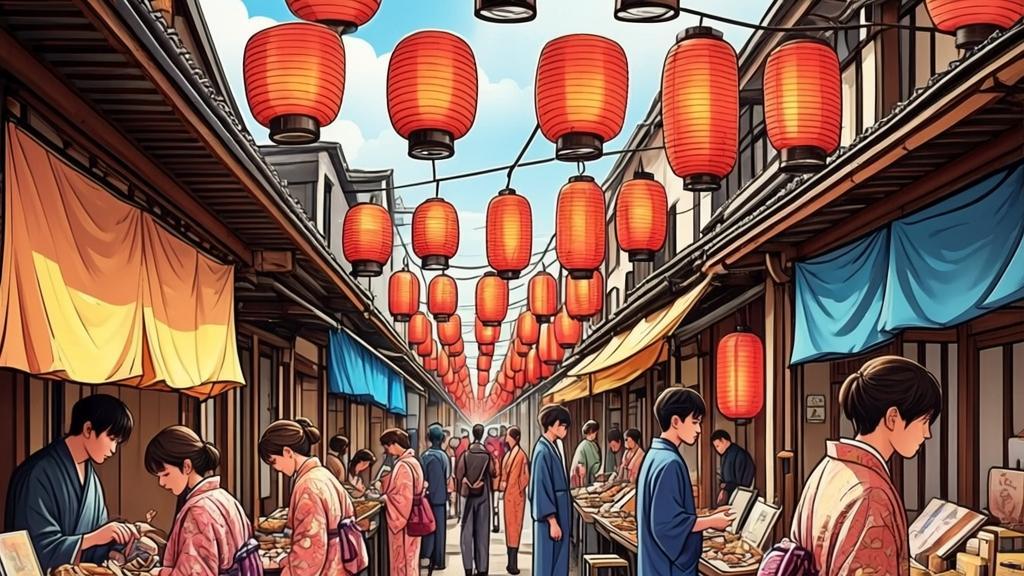
The street stretches about 400 meters and packs in roughly 400 shops. That density means you’re constantly discovering something new, even if you’ve walked through dozens of times. I actually found my favorite dried mango vendor on maybe my tenth visit, tucked in a corner I’d somehow missed before.
What really sets Ameyoko apart from other Tokyo shopping areas is the atmosphere. The vendors here are genuinely aggressive in a friendly way—they’ll call you over, crack jokes, sometimes even offer samples. It’s loud and chaotic in the best possible sense. During my last visit, a guy selling chocolate literally chased me down the street offering a discount. I ended up buying way more chocolate than I needed, and honestly, I don’t regret it.
Must-Try Street Foods at Ameyoko
Okay, let’s get to what you’re really here for—the food. Ameyoko street food is incredibly diverse, ranging from traditional Japanese snacks to international offerings that reflect Tokyo’s cosmopolitan character. I’ve tried probably dozens of different things here over the years, and these are the ones I keep coming back to.
Takoyaki and Hot Snacks
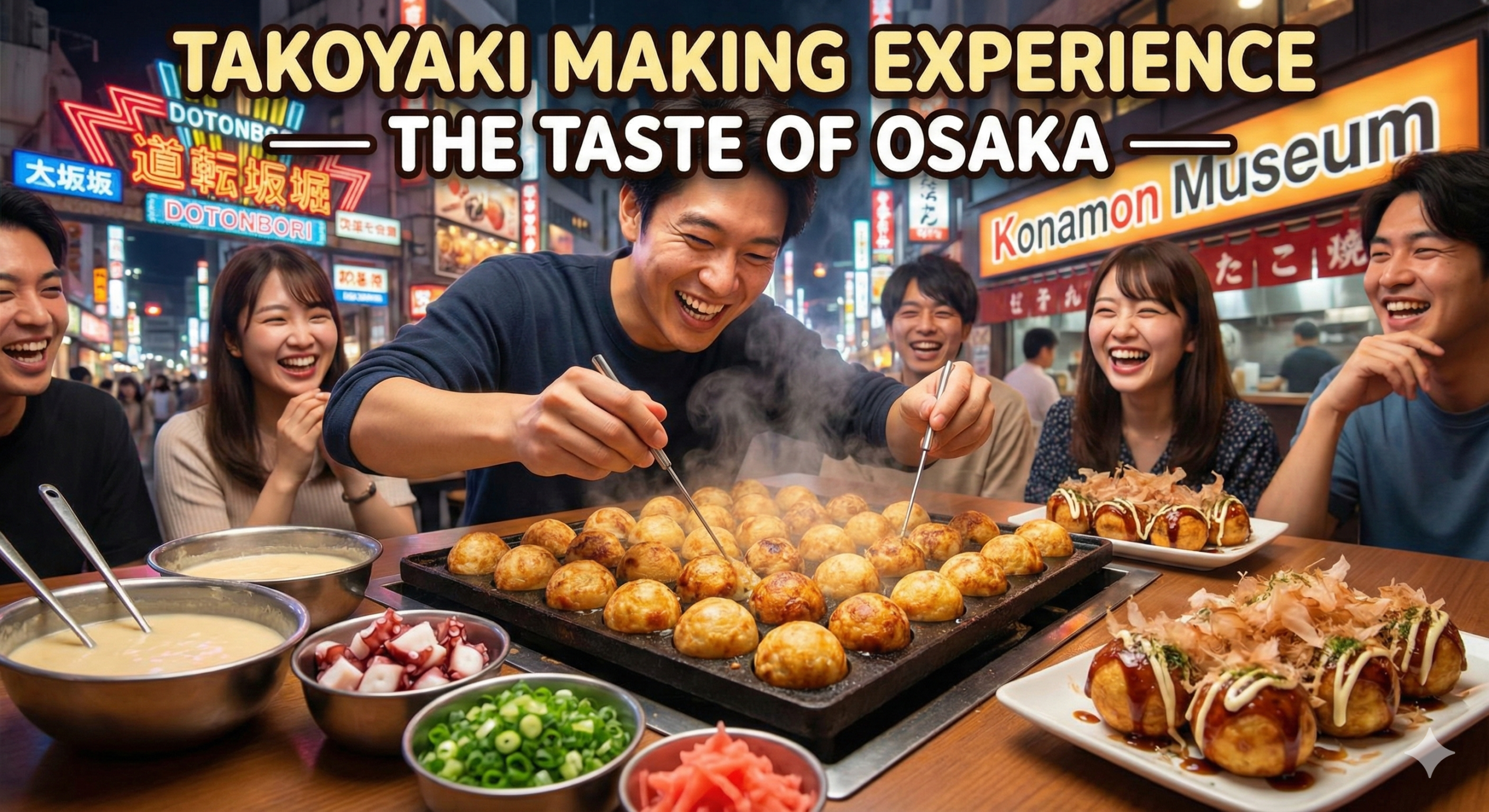
You can’t talk about Japanese street food without mentioning takoyaki, and Ameyoko has some excellent options. These golf-ball-sized pancakes filled with diced octopus are cooked in special molded pans right in front of you. I usually grab a serving (around 500 yen) and eat them while walking, which honestly is part of the fun.
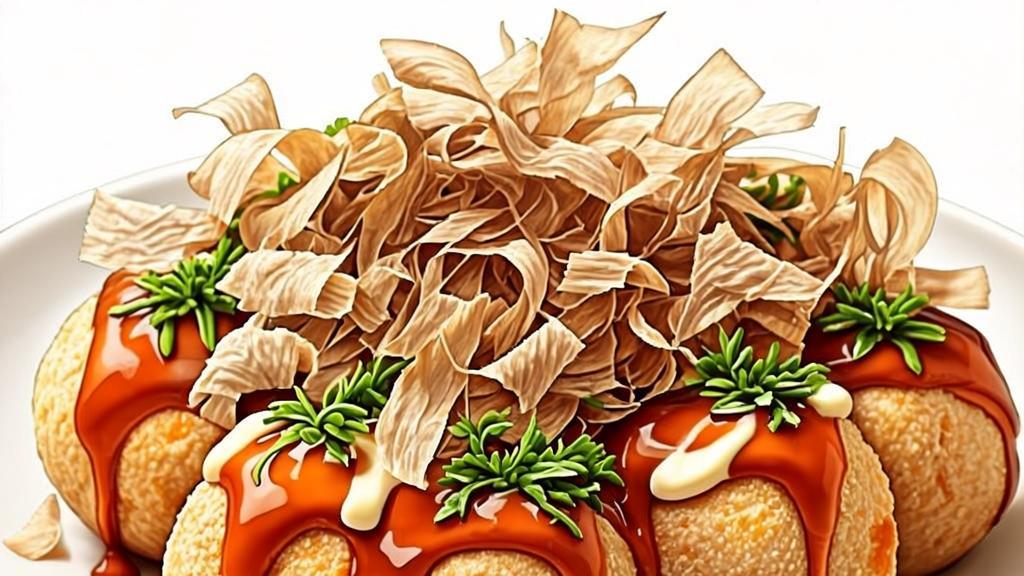
The thing I really love about takoyaki here is the texture contrast—the outside gets slightly crispy while the inside stays soft and almost molten. They’re topped with savory sauce, mayonnaise, dried seaweed, and bonito flakes that dance from the heat. Fair warning: they’re seriously hot when you first get them, and I’ve burned my tongue more times than I’d like to admit.
Beyond takoyaki, you’ll find stalls selling yakisoba (fried noodles), ikayaki (grilled squid), and various fried snacks. The smell alone is enough to make you hungry, even if you just ate.
Fresh Fruit Skewers
This might surprise you, but some of my favorite Ameyoko street food is actually fruit. Vendors sell fresh fruit on skewers—strawberries, grapes, melon, pineapple—all cut and ready to eat. Prices typically range from 300 to 500 yen depending on the fruit and season.
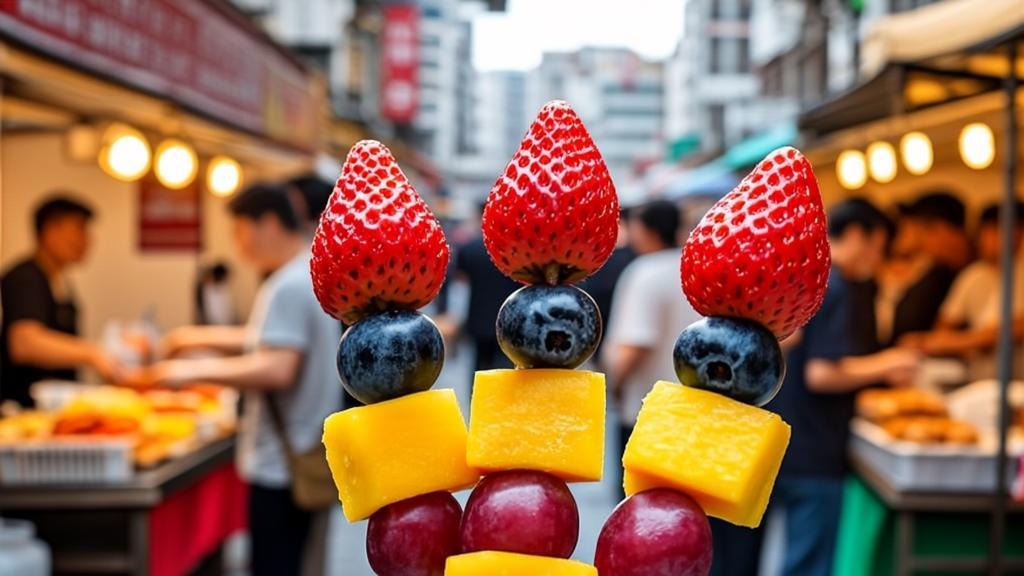
During summer, the cold fruit is honestly a lifesaver. There’s something really satisfying about biting into ice-cold grapes while navigating through the crowded market. The vendors are pretty generous with portions too—at least that’s been my experience. I once got extra strawberries just because the lady running the stall said I looked like I needed cheering up. That kind of random kindness is pretty typical here.
Grilled Unagi on a Stick
Now we’re getting into the premium stuff. Unagi (freshwater eel) grilled on a stick is one of those foods that sounds weird if you’ve never tried it but becomes an instant obsession once you do. The eel is grilled over charcoal, brushed with a sweet soy-based sauce, and served hot. Prices start around 800 yen, which actually isn’t bad considering unagi is typically quite expensive in restaurants.
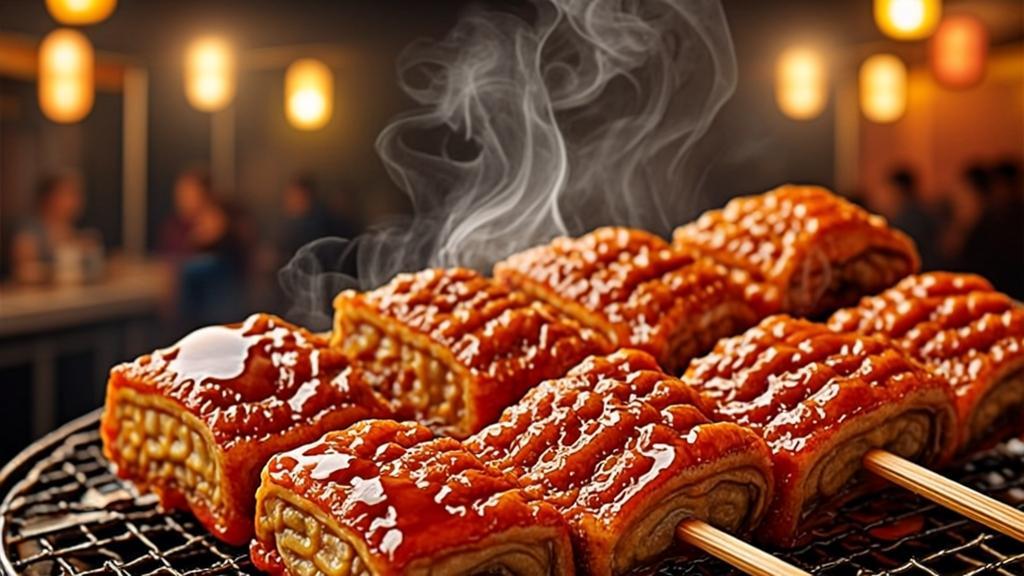
The first time I tried this, I was honestly skeptical. Eel on a stick? From a street vendor? But the smell was incredible, and the line was long, which usually means something good. One bite and I was completely converted. The char from the grill combined with that rich, sweet sauce is just perfect. It’s actually one of the foods I crave most when I think about Ameyoko.
You’ll also find yakitori (grilled chicken skewers) and other grilled options throughout the market. The beauty of Ameyoko is that you can make a whole meal just by hopping from stall to stall.
Best Shops to Visit
After countless visits, I’ve developed some strong opinions about which shops are worth your time. These are places I personally return to and recommend to friends visiting Tokyo.
Nikino Kashi – Candy Paradise
If you have even a slight sweet tooth, Nikino Kashi will blow your mind. This massive shop is absolutely packed with Japanese snacks, candies, and chocolates at prices that are honestly hard to believe. I’m talking bags of candy for a few hundred yen that would cost three times as much elsewhere.
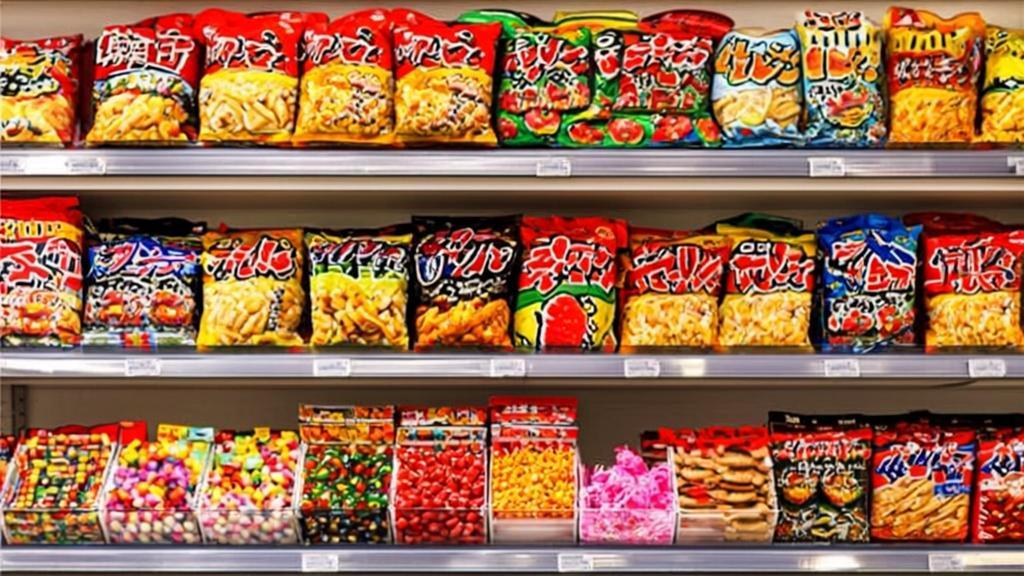
What I really love about this place is the variety. You’ll find everything from traditional Japanese sweets to the latest limited-edition Kit Kat flavors. The shop is organized somewhat chaotically, which actually makes browsing more fun—you never know what you’ll discover. I usually allocate at least 30 minutes here and still feel rushed.
Pro tip: Bring a reusable bag. You will buy more than you planned. Every single time.
Shimura Shoten – Chocolate Show
This is probably the most famous shop in Ameyoko, and for good reason. Shimura Shoten is known for its energetic chocolate sales where vendors literally chop blocks of chocolate with a mallet while calling out prices. It’s entertainment and shopping combined.
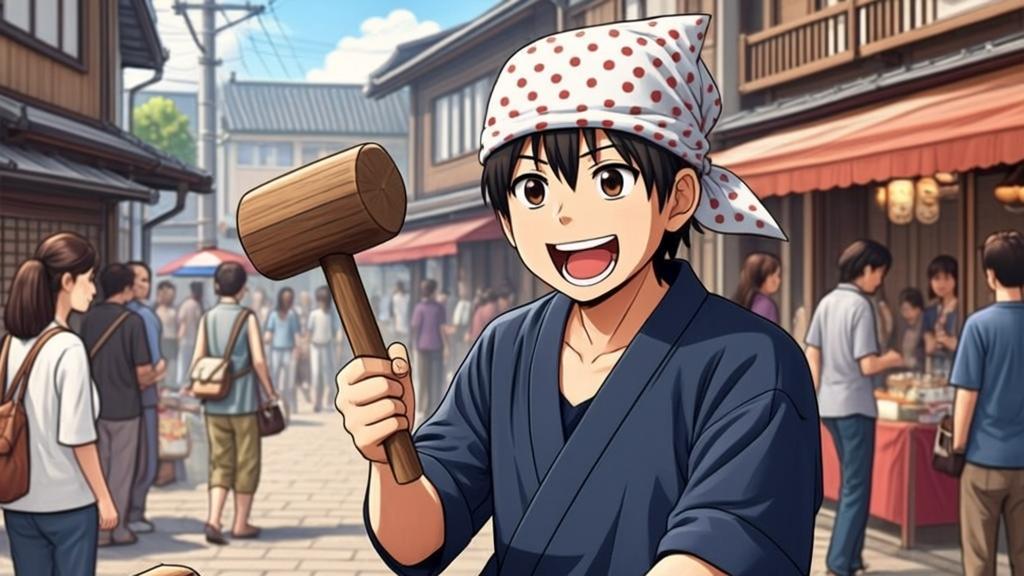
The chocolate here is seriously cheap—I’m talking high-quality chocolate for a fraction of regular prices. The catch is that you’re buying in bulk, which honestly isn’t much of a catch. I always pick up several bags to bring home as souvenirs, and people are always impressed with the quality.
The atmosphere is what really makes this place special. The vendors are performers as much as salespeople, cracking jokes and creating this infectious excitement. Even if you’re not planning to buy chocolate (which you will), it’s worth stopping by just to watch the show.
Kaisendon Stalls
For something more substantial, the seafood rice bowl stalls are incredible. Kaisendon is a bowl of rice topped with fresh sashimi, and Ameyoko has some of the best values in Tokyo. Prices start around 1,000 yen for bowls that would cost 2,000 yen or more in other parts of the city.
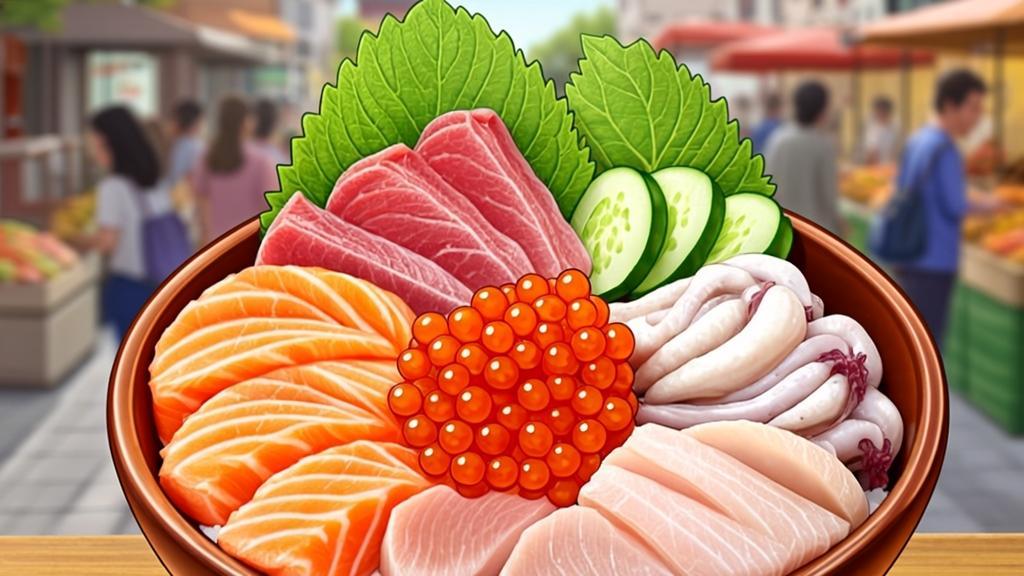
The seafood here is genuinely fresh—the market atmosphere means high turnover, so nothing sits around. I usually go for the mixed bowls that include salmon, tuna, squid, and sometimes sea urchin or salmon roe. It’s honestly some of the best seafood I’ve had in Japan, street food or otherwise.
There are several stalls competing for business, so prices stay competitive. Walk around a bit and compare offerings before committing. Most places have picture menus, so ordering is straightforward even if you don’t speak Japanese.
Practical Tips for Visiting
After many visits, I’ve learned a few things that can make your Ameyoko experience much smoother. Here’s what I wish someone had told me before my first trip.
Hours: Most shops open around 10:00 AM and close by 8:00 PM, but this varies significantly. Some vendors pack up earlier, especially on slower days. I usually aim for mid-afternoon when everything is in full swing but it’s not yet evening crowds.
Getting there: It’s incredibly accessible. JR Ueno Station is about a 2-minute walk, and Okachimachi Station is even closer at about 1 minute. Just follow the crowds or look for the covered shopping street. You honestly can’t miss it.
Cash is king: While some larger shops accept cards, many smaller vendors are cash-only. Bring more cash than you think you’ll need because you will find unexpected things to buy. There are ATMs nearby, but why waste time?
Wednesday warning: Many shops close on Wednesdays. I learned this the hard way when I brought a friend specifically to see Ameyoko and about half the stalls were shuttered. It’s still worth visiting, but expect a quieter experience.
Crowds: Weekends are absolutely packed. If you prefer a slightly calmer experience, weekday afternoons are your best bet. That said, the weekend energy is part of the appeal, so it depends on what you’re after.
Navigation: Don’t worry too much about following a map. Half the fun is wandering and discovering. The street is linear enough that you can’t really get lost, but dense enough that you’ll always find something new.
Make Your Japan Trip More Exciting with Japaner Guide
If you’re the type of traveler who seeks out places like Ameyoko—authentic, slightly chaotic, and completely memorable—you’ll love what we’re building at Japaner Guide. We’re all about helping curious travelers discover the real Japan, beyond the typical tourist spots.
Whether you’re planning your first trip or your tenth, our community and resources can help you find those hidden gems that make travel truly special. Because honestly, the best travel moments are usually the ones you didn’t plan.
Check out Japaner Guide and start planning your next adventure. Trust me, Japan has so much more to offer than what you’ll find in typical guidebooks.