I honestly have to say that visiting Nishiki Market was one of the most memorable food experiences I’ve had in Japan. As someone who has explored countless markets across Asia, I can tell you that this narrow, covered arcade in the heart of Kyoto really offers something special. After spending multiple days wandering through its 400-meter stretch, sampling everything from soy milk donuts to fresh oysters, I’m excited to share everything I’ve learned about this incredible destination.
If you’re planning a trip to Kyoto and wondering where to experience authentic Japanese food culture, Nishiki Market should absolutely be at the top of your list. Actually, many locals I spoke with still do their daily shopping here, which is the best endorsement any market can have. In this guide, I’ll walk you through the must-try foods, share practical tips, and help you make the most of your visit to what’s affectionately known as “Kyoto’s Kitchen.”
Why Nishiki Market is Special
Let me be honest with you, not every famous food market lives up to the hype. But Nishiki Market? It genuinely delivers. With a history spanning approximately 400 years, this isn’t just a tourist attraction thrown together for visitors, it’s a living, breathing part of Kyoto’s culinary heritage.
The market’s nickname, “Kyoto’s Kitchen” (Kyoto no Daidokoro), really tells you everything you need to know about its importance. For centuries, this is where Kyoto’s chefs and home cooks have come to source the finest ingredients. Even today, you’ll spot restaurant owners haggling over fresh fish and seasonal vegetables alongside curious tourists.
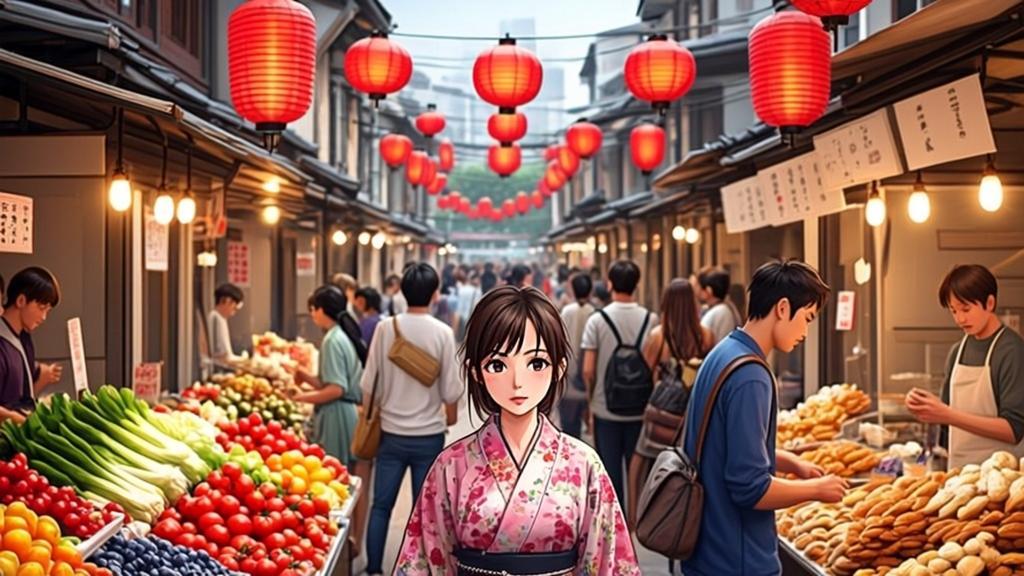
What I found particularly fascinating is how the market has managed to balance tradition with tourism. Yes, there are plenty of shops catering to visitors now, but at its core, Nishiki remains a working market. The approximately 130 shops that line both sides of this narrow street represent generations of family businesses, many specializing in specific ingredients that have been part of Kyoto cuisine for centuries.
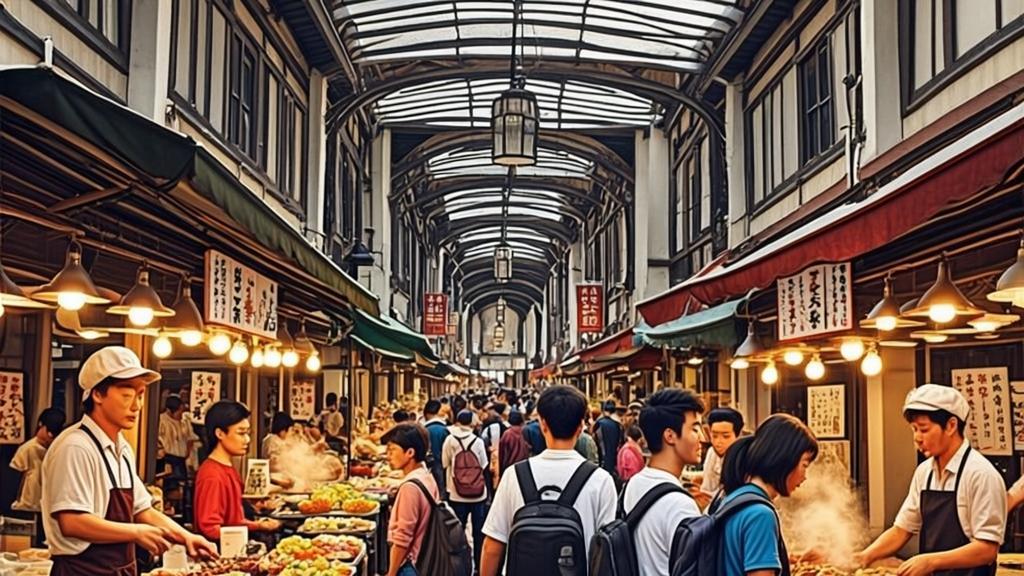
The covered arcade format is actually brilliant, protecting shoppers from both summer heat and winter chill. I visited in autumn, and the atmosphere was perfect, bustling but not overwhelming, with the warm glow of shop lights creating an almost magical ambiance as evening approached.
Must-Try Foods at Nishiki Market
Alright, let’s get to what you’re really here for: the food. I spent several days systematically working my way through the market, and honestly, I could have spent weeks and still discovered new things. Here are the absolute must-tries that I personally tested and can wholeheartedly recommend.
Soy Milk Donuts

If you only try one thing at Nishiki Market, make it the soy milk donuts from Konmonja. I know what you’re thinking, donuts at a traditional Japanese market? But trust me on this one. These little pillows of joy are made fresh right in front of you, and at just 250 yen for a bag, they’re honestly one of the best deals in the entire market.
The texture is unlike any donut I’ve had before, incredibly light and airy with a subtle sweetness that doesn’t overwhelm. The soy milk gives them a delicate, almost creamy flavor that pairs perfectly with the light dusting of sugar. I actually found myself coming back for a second bag the very next day.
Konmonja has been perfecting their recipe for years, and it shows. Watching the skilled hands of the staff shape and fry these treats is entertainment in itself. The line can get long during peak hours, but it moves quickly, and honestly, these donuts are worth every minute of the wait.
Dashimaki Tamago
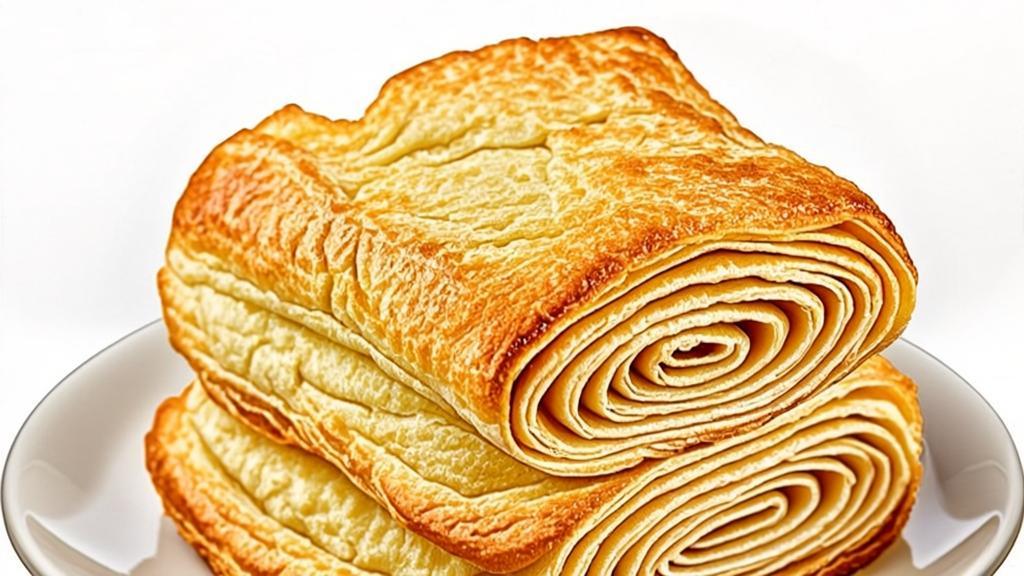
At Moki Torirann (三木鶏卵), you’ll find what might be the fluffiest, most satisfying rolled omelet you’ve ever tasted. Prices range from 200 to 500 yen depending on the size and fillings you choose, and I can tell you from experience that splurging for the larger option is absolutely worth it.
Dashimaki tamago is a Kyoto specialty, and what makes it special is the generous amount of dashi (Japanese soup stock) folded into the eggs. This creates an incredibly moist, savory omelet that literally melts in your mouth. The version here at Moki Torirann really showcases this technique beautifully.
I actually spoke with the owner, who explained that they use a special blend of dashi that’s been a family secret for generations. You can really taste the difference, the depth of flavor is remarkable for something as seemingly simple as an omelet. It’s served warm, and I recommend eating it right away while it’s at its peak texture.
Fresh Seafood
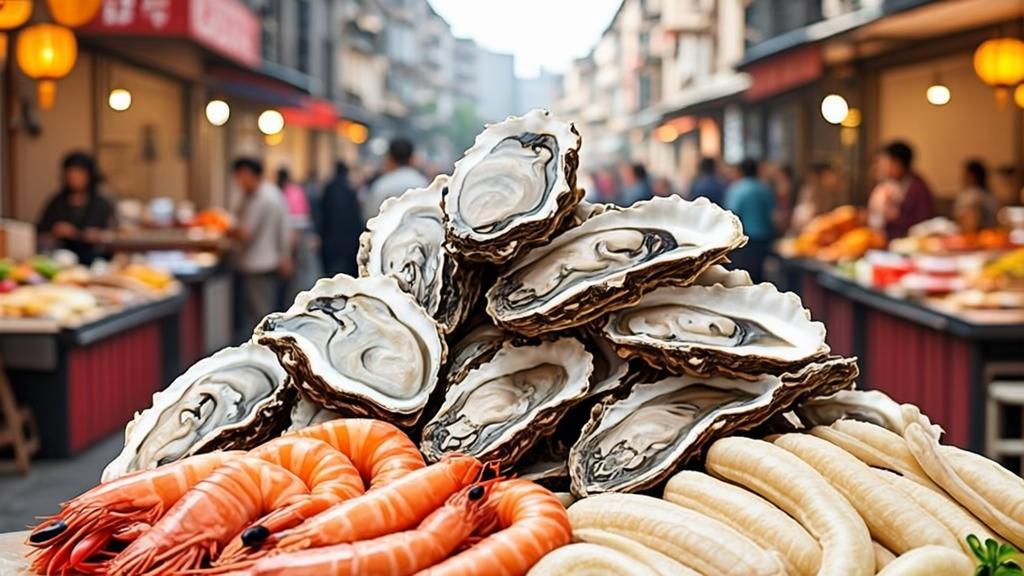
Being nowhere near the ocean, you might not expect Kyoto to have incredible seafood. But you’d be wrong. The seafood at Nishiki Market honestly rivals what I’ve had in coastal cities, thanks to Kyoto’s historical importance and the incredible distribution networks developed over centuries.
At Uoriki (魚力), the anago tempura (conger eel tempura) for 500 yen is a revelation. The eel is incredibly fresh, the batter impossibly light, and the natural sweetness of the eel really shines through. It’s served on a stick, making it easy to eat, though remember the no-walking-while-eating rule (more on that later).
For something even more indulgent, head to Sengyo Kimura (鮮魚木村) for their grilled oysters. Watching them shuck and grill these beauties right in front of you is part of the experience. The oysters are plump, briny, and have that wonderful smoky char from the grill. They’re not cheap, but honestly, for the quality and freshness, they’re a bargain.
Traditional Sweets

No visit to Kyoto would be complete without indulging in traditional Japanese sweets, and Nishiki Market has some exceptional options. I’m actually not usually a dessert person, but these treats converted me.
Kofukudo (幸福堂) is famous for their ichigo daifuku, strawberry mochi. Imagine the sweetest, ripest strawberry you’ve ever had, wrapped in pillowy soft mochi with a layer of sweet red bean paste. Now imagine it’s made fresh that morning with locally sourced strawberries. That’s what you get here, and at around 200-300 yen each, it’s honestly one of the best values in Japanese sweets you’ll find anywhere.
For something more refreshing, especially on warmer days, Chawanya (茶和々) serves an incredible matcha warabimochi. This jelly-like dessert made from bracken starch and coated in kinako (roasted soybean flour) is incredibly smooth and has a subtle, sophisticated sweetness. Their version uses high-quality Uji matcha, giving it a beautiful green color and authentic tea flavor. It’s the kind of treat that makes you slow down and really savor each bite.
Important Tips for Visitors
Before you rush off to Nishiki Market, there are some important things you need to know. I learned some of these the hard way, so hopefully my experience will help you avoid the same mistakes.
The No Walking-While-Eating Rule: This is probably the most important thing to know, and honestly, it’s taken very seriously. Nishiki Market has a strict policy against eating while walking. This isn’t just about keeping the market clean, it’s about respect for the vendors and other visitors. When you buy food, either eat it standing right in front of the shop (there are usually designated areas) or take it to one of the small eating areas scattered throughout the market. I saw tourists getting politely but firmly reminded of this rule, so don’t be that person.
Business Hours: Most shops are open from 9:00 AM to 6:00 PM, but this varies by vendor. I’d actually recommend arriving around 10:00 AM when things are in full swing but before the lunch crowds hit. The market takes on a different character in the late afternoon too, when you’ll see more locals doing their shopping.
Wednesdays and Sundays: Many shops close on these days, so if you want to experience the market at its liveliest, plan your visit for another day. I made the mistake of visiting on a Wednesday first and found about a third of the shops shuttered. My return visit on a Saturday was a completely different experience.
Cash is King: While more shops are accepting credit cards these days, especially post-pandemic, I strongly recommend bringing plenty of cash. Many of the older, more traditional vendors still only accept cash, and you don’t want to miss out on something amazing because you couldn’t pay. There are ATMs nearby, but they can have long lines during peak hours.
Getting There: The market is incredibly accessible. Take the subway to Shijo Station and it’s about a 3-minute walk. The entrance isn’t super obvious from the main street, so look for the covered arcade entrance between the buildings. Once you’re inside, it’s impossible to get lost, it’s essentially one long corridor.
Crowds: Nishiki Market can get incredibly crowded, especially on weekends and during peak tourist seasons. If you’re uncomfortable in tight spaces, try visiting early in the morning or later in the afternoon. The narrowness of the arcade is part of its charm, but it can feel overwhelming when packed with people.
Make Your Japan Trip More Exciting with Japaner Guide
If you’re loving the idea of exploring hidden gems like Nishiki Market but feeling a bit overwhelmed by all the planning, I have to recommend checking out Japaner Guide. Honestly, having local expertise can transform your Japan experience from “great” to “absolutely unforgettable.”
Japaner Guide connects travelers with knowledgeable local guides who can take you beyond the typical tourist spots. Imagine having someone who knows exactly which vendors at Nishiki Market have the best produce that day, or who can explain the history behind each specialty item as you sample it. That’s the kind of authentic experience that makes travel truly meaningful.
Whether you’re a first-time visitor to Japan or a seasoned traveler looking to dig deeper, having a local perspective makes all the difference. Nishiki Market is wonderful on its own, but with someone who truly understands its rhythms and secrets, it becomes something even more special. So why not make your Kyoto food adventure truly memorable with Japaner Guide?