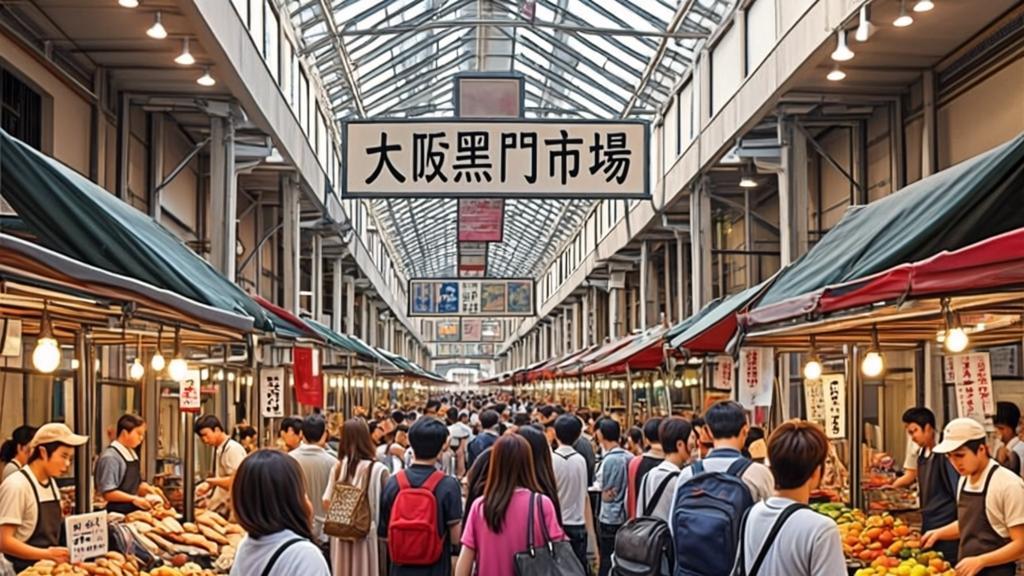
Honestly, I’ve been to a lot of food markets in my travels across Japan, but there’s something genuinely special about Kuromon Market in Osaka. As someone who has spent years exploring Japanese cuisine and writing about food destinations, I can tell you that this place really hits different. Actually, the moment you step into that covered arcade and smell the mix of grilling seafood, sizzling wagyu, and fresh fruit, you’ll understand why locals call this place “Osaka’s Kitchen.”
I first visited Kuromon Market about five years ago, and I’ve returned at least a dozen times since then. Each visit brings new discoveries, new flavors, and honestly, new regrets about not having a bigger stomach. This guide covers everything you need to know about experiencing the best Kuromon Market Osaka food has to offer.
Why Kuromon Market is Special
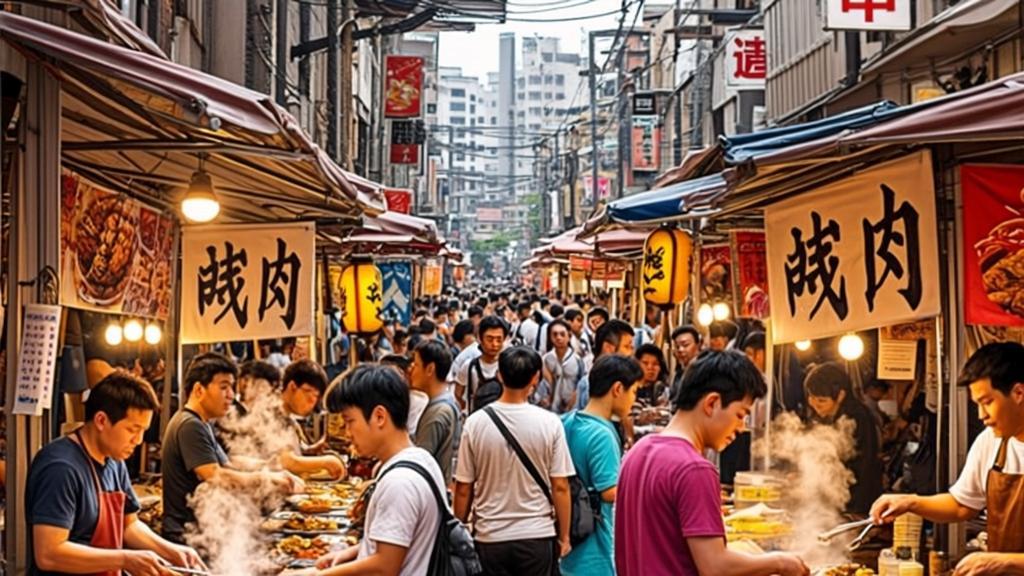
Let me be real with you here – Kuromon Market isn’t just another tourist trap. This place has been serving the people of Osaka for nearly 200 years. That’s almost two centuries of food history packed into a 580-meter stretch of covered shopping street. When you walk through here, you’re literally walking through generations of culinary tradition.
The market houses around 170 shops, and honestly, trying to visit all of them in one trip is pretty ambitious. What makes Kuromon truly special though is its “tabearashi” culture – that’s the Japanese word for eating while walking. Unlike many places in Japan where walking and eating is frowned upon, Kuromon Market actually embraces it. Vendors expect you to grab some food and wander around while you eat. It’s actually one of the few places where this is completely acceptable.
What I really love about this market is how it balances being tourist-friendly while still maintaining its local soul. Yes, you’ll see plenty of international visitors (I always do), but you’ll also see Osaka locals doing their daily shopping, picking up fresh fish for dinner, or grabbing a quick snack on their way home. That authentic blend is honestly hard to find these days.
Must-Try Foods at Kuromon Market
Fresh Seafood Heaven
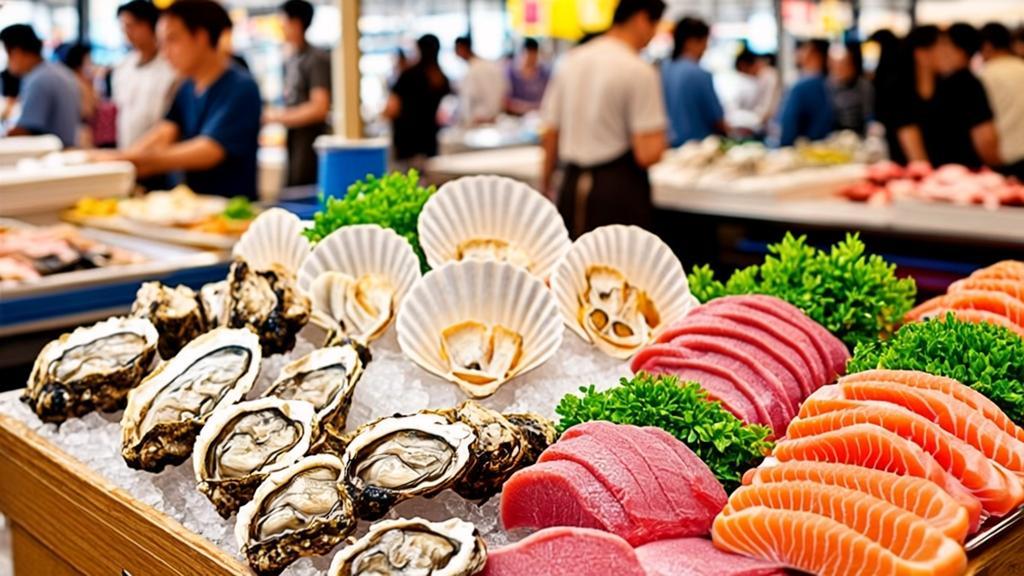
Okay, let’s talk about the seafood because honestly, this is what most people come for. If you’re a seafood lover, Kuromon Market is basically paradise. The variety and freshness here are actually incredible – we’re talking seafood that was probably swimming earlier that morning.
Kuromon Sanpei (黒門三平) is probably the most famous seafood spot in the market, and trust me, the reputation is well-deserved. They have this amazing setup where you can pick your seafood from the display cases and they’ll prepare it right in front of you. I’ve had their tuna bowls multiple times, and each time I’m genuinely amazed at how fresh and flavorful the fish is. Their sea urchin is also absolutely incredible – creamy, sweet, and honestly unlike anything you’ve probably had before.
Nishikawa Suisan (西川鮮魚店) is another must-visit, especially if you love oysters. I actually wasn’t a huge oyster fan before coming here, but their fresh oysters completely changed my mind. They source oysters from different regions across Japan, so you can actually taste the difference between Hiroshima oysters and Hokkaido oysters. They also serve abalone and scallops, both of which are really fantastic.
What I really appreciate about both these places is that they don’t try to upsell you on fancy presentations. You get fresh, honest-to-goodness seafood at reasonable prices. A decent seafood bowl will set you back about 1,500 to 3,000 yen, which honestly isn’t bad at all for the quality you’re getting.
Wagyu Beef Experience
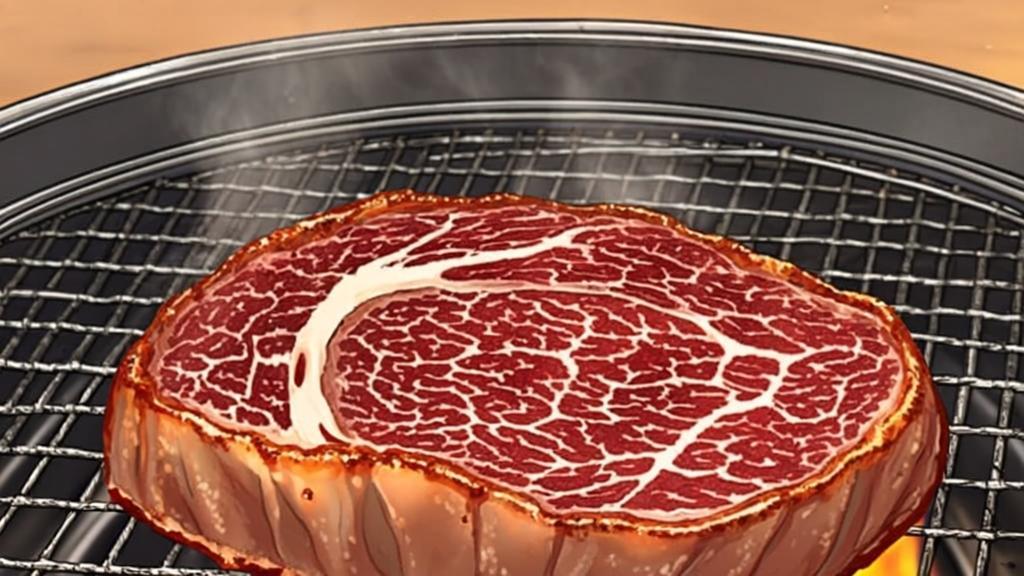
Now, if seafood isn’t really your thing (or even if it is and you just love meat), you absolutely cannot skip the wagyu experience at Kuromon Market. I’m honestly not exaggerating when I say the beef here will ruin you for steak anywhere else.
Maruyoshi Meat Shop (丸善食肉店) is where it’s at for wagyu beef. They specialize in Kobe beef and other high-quality Japanese beef, and watching them grill that perfectly marbled meat in front of you is honestly mesmerizing. The aroma alone is enough to make your mouth water. I remember my first time trying their Kobe beef steak – I actually had to sit down for a moment because the flavor was so overwhelming in the best possible way.
They serve the beef in different cuts and sizes, so you can go for a small cube if you just want a taste (around 1,500-2,000 yen) or go all out with a proper steak portion (expect to pay 3,000-5,000 yen or more). Honestly, even if you’re on a budget, I’d recommend trying at least a small piece. It’s one of those experiences that’s genuinely worth it.
What makes the wagyu here special is really the quality control. These vendors have relationships with specific farms and know exactly where their meat comes from. The butchers can actually tell you about the cattle, the feed, and the aging process. That kind of transparency is pretty rare and really adds to the experience.
Sweet Treats and Fruits
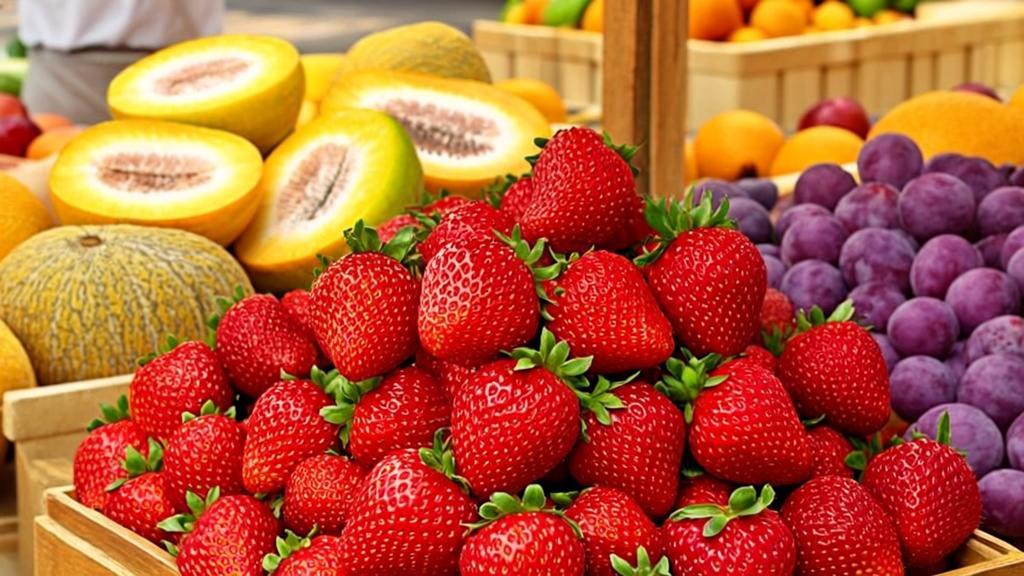
After all that rich seafood and beef, you might be craving something sweet and refreshing. Kuromon Market honestly delivers on this front too. Japan is famous for its fruits, and this market showcases some of the best.
Sennariya (千成屋) is my go-to spot for fresh fruits and fruit juices. They sell beautifully prepared fruit cups and fresh-squeezed juices that are perfect for cleansing your palate. Their strawberry selection is particularly amazing during winter months – we’re talking sweet, juicy strawberries that are honestly unlike the ones you get at regular supermarkets. They also have seasonal specialties like melons, peaches, and grapes, depending on when you visit.
Another sweet treat I always look for is fresh soy milk. There are several vendors selling warm, freshly made soy milk, which sounds simple but is actually incredibly delicious. It’s creamy, slightly sweet, and really comforting, especially during the cooler months. I honestly didn’t think I’d care much about soy milk before trying it here, but now it’s a must-have every time I visit.
For those with a bigger sweet tooth, look out for mochi shops and places selling taiyaki (fish-shaped pastries filled with sweet red bean paste or custard). These traditional Japanese sweets are the perfect way to round out your market food tour.
Practical Tips for Visiting
Alright, let me share some practical advice based on my numerous visits. These tips will honestly make your experience so much better.
Best Time to Visit: Kuromon Market is open daily from around 9:00 AM to 5:00 PM, though individual shop hours may vary slightly. I really recommend arriving around 10:00 AM. Here’s why: by 10 AM, most shops are fully open and stocked up, but it’s not yet crowded with lunch-goers. The peak hours are usually between 11:30 AM and 2:00 PM, when it can get pretty packed. Also, some popular items sell out by mid-afternoon, so coming early ensures you get the best selection.
Getting There: The market is incredibly accessible. Take the subway to Nipponbashi Station (日本橋駅) and it’s literally a one-minute walk. Just take Exit 10 and you’re basically there. You can also walk from Namba Station in about 10 minutes, which is what I often do if I’m exploring the Namba area first.
Bring Cash: While some shops have started accepting credit cards and electronic payment, many still only take cash. Honestly, I always make sure to have plenty of yen on hand. There are ATMs nearby, but they can have long lines during peak hours, and some don’t accept foreign cards.
Wear Comfortable Shoes: You’ll be doing a lot of walking and standing. The market is covered, so you don’t have to worry about rain, but the floor can get slippery in certain spots. I’ve seen people slip more than once, especially near the seafood vendors where the floor might be wet.
Pace Yourself: This is honestly the most important tip. With so many tempting options, it’s really easy to overeat in the first 30 minutes. I’ve made this mistake before and regretted it. Take your time, try smaller portions at multiple places, and leave room for the really good stuff.
Be Patient: The popular shops can have lines, especially during weekends and holidays. Wait times of 15-30 minutes are pretty common at places like Kuromon Sanpei. I actually use this time to chat with other people in line – it’s a great way to get recommendations and learn about other spots to try.
Make Your Japan Trip More Exciting with Japaner Guide
Honestly, Kuromon Market is just one piece of what makes Osaka such an incredible food destination. If you’re planning a trip to Japan and want to discover more hidden gems like this, Japaner Guide is your ultimate companion. We provide comprehensive, up-to-date information on the best food spots, cultural attractions, and local experiences across Japan. Our guides are written by people who have actually been there, eaten the food, and talked to the locals.
Whether you’re looking for the best ramen shops in Tokyo, traditional temples in Kyoto, or off-the-beaten-path destinations that most tourists never hear about, Japaner Guide has got you covered. We believe that travel should be about authentic experiences, not just checking boxes on a tourist checklist. Our mission is to help you experience Japan the way it should be experienced – through its food, its culture, and its incredibly welcoming people.
So what are you waiting for? Start planning your dream Japan trip with Japaner Guide today. Trust me, your future self will thank you.