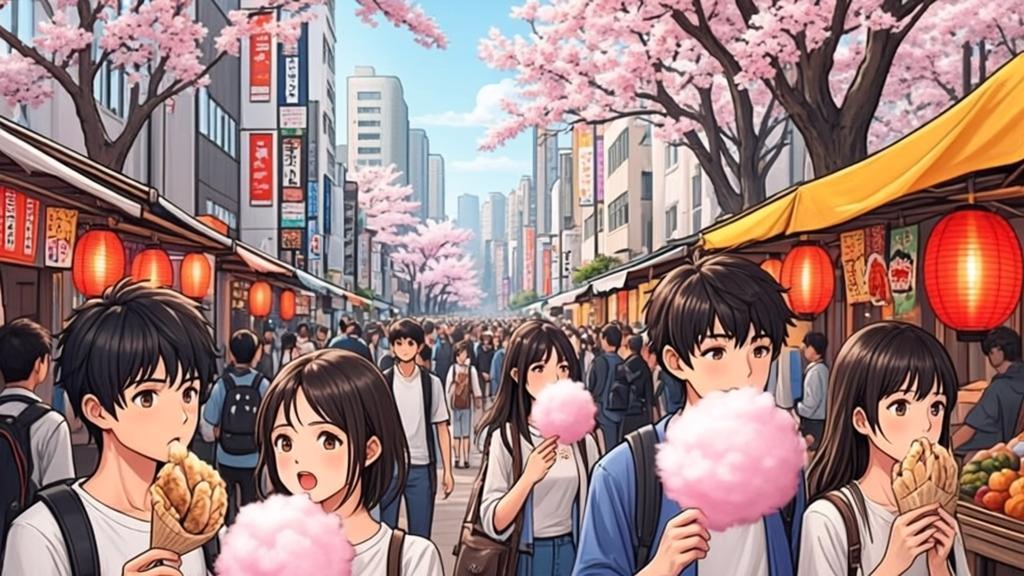
Walking down Takeshita Street for the first time hit me like a wave of color, noise, and the most incredible smells. This narrow, bustling pedestrian street in Harajuku isn’t just famous—it’s legendary. And after multiple visits, I can confidently say the street food scene here is unlike anything else in Tokyo.
Whether you’re planning your first trip or you’re a seasoned traveler looking for the best bites, I’ve put together everything you need to know about Harajuku Takeshita street food. Let me share my personal favorites, practical tips, and the snacks that keep me coming back.
What Makes Takeshita Street Special?
Takeshita Street (or Takeshita-dori in Japanese) stretches about 400 meters through the heart of Harajuku. It’s the birthplace of Japanese kawaii culture and, importantly for food lovers, the place where Japanese rolled crepes were born.
What strikes me most is how this tiny street packs so much energy. Shops here typically open around 11 AM and close by 6 PM, and the crowds can be intense—think tens of thousands of people daily on weekends. But that’s part of the charm.
The street food culture here is grab-and-go by design. Most places don’t have seating, which keeps things moving and lets you eat while exploring. Perfect for maximizing your snacking time.
My Top 7 Must-Try Street Foods on Takeshita Street
1. Japanese Crepes at Marion Crepes
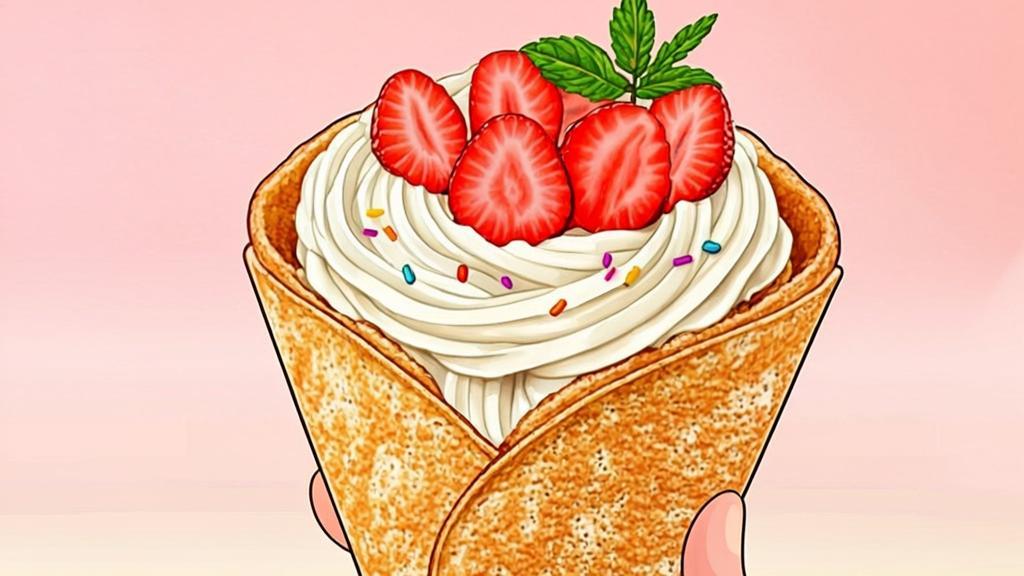
If you only try one thing on Takeshita Street, make it a crepe. I’m serious. Marion Crepes has been here since the 1970s, and they essentially invented the Japanese-style rolled crepe that’s now iconic.
What makes these different from French crepes? They’re served in a cone shape, wrapped in paper, with fillings like fresh fruit, whipped cream, custard, ice cream, and even savory options. I always go for the strawberry and cream combination—simple but perfect.
Prices typically range from 500 to 800 yen depending on toppings. Sweet Box is another solid option if Marion has a long line.
2. Giant Rainbow Cotton Candy at Totti Candy Factory

This isn’t just cotton candy—it’s a social media phenomenon. Totti Candy Factory sells massive, rainbow-colored cotton candy that’s bigger than your head. We’re talking multiple colors swirled together in a cloud of sugar.
At around 1,000 yen, it’s pricier than regular cotton candy, but the photo opportunity alone makes it worth it. I’ve seen people spend 15 minutes just getting the perfect shot before taking their first bite.
Fair warning: it’s incredibly sweet and messy. But watching the colors blend as you eat it is oddly satisfying.
3. Cream Puffs at Zaku Zaku
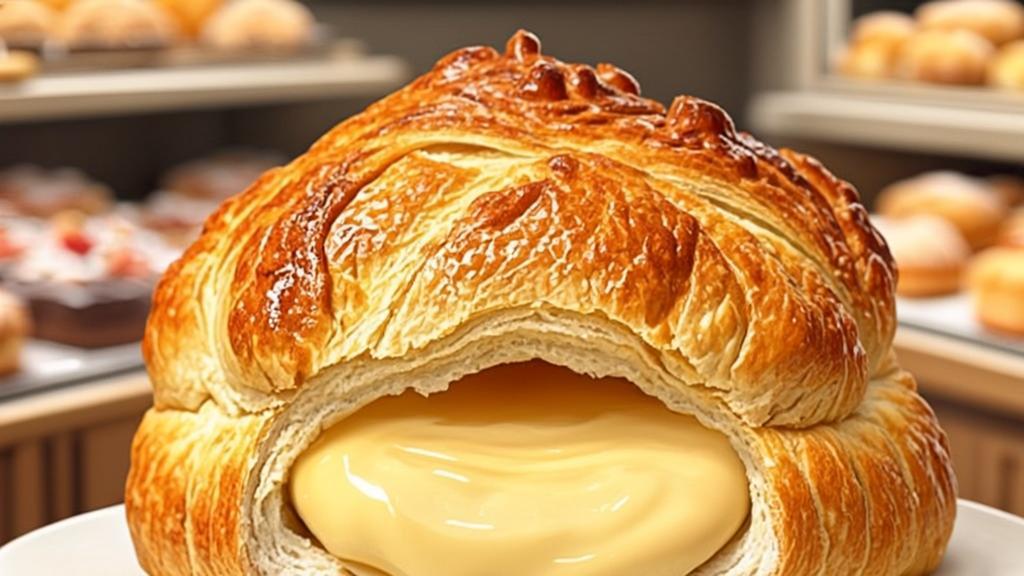
The smell hits you before you see the shop. Zaku Zaku (officially called Croquant Chou Zaku Zaku) is famous for their freshly baked cream puffs filled with Hokkaido cream.
The choux pastry is incredibly crispy—hence the name “zaku zaku,” which is Japanese onomatopoeia for crunching. Inside, the custard cream is rich without being overwhelming. The Harajuku location also has an exclusive ice cream version that I highly recommend.
These cost around 200-300 yen each, and trust me, you’ll want more than one.
4. Tornado Potatoes at Long! Longer!! Longest!!!
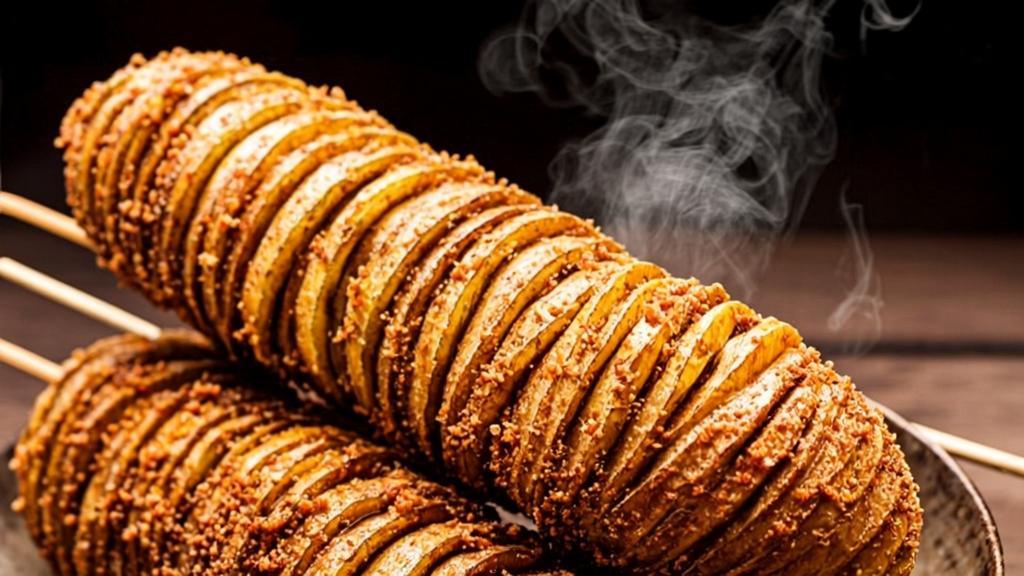
Yes, that’s the actual name of the shop, and yes, the potatoes live up to it. Tornado potatoes are whole potatoes spiral-cut and stretched onto a stick, then deep-fried.
You can choose between 32cm or 52cm lengths—the 52cm version is genuinely ridiculous and will get you lots of attention. They come in various flavors like seaweed, cheese, and barbecue.
This is one of those foods that’s as fun to eat as it is to photograph. Prices start around 500 yen.
5. Fresh Potato Chips at Calbee Plus
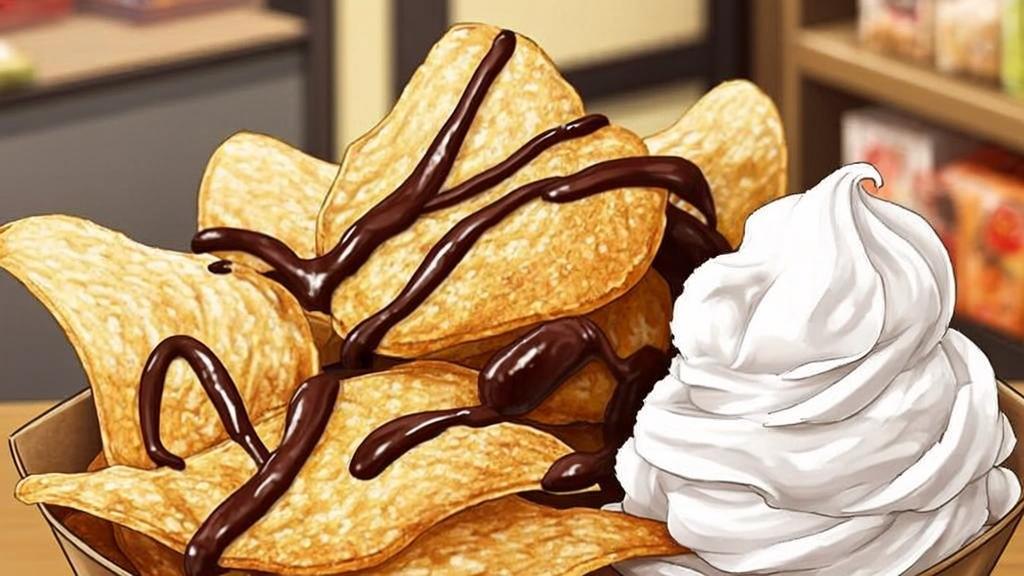
Calbee is Japan’s biggest snack company, and Calbee Plus takes their potato chips to another level. Here, they fry the chips fresh and serve them hot with various toppings.
My recommendation? Get the chips with chocolate drizzle or the version with soft-serve ice cream on the side. The contrast between hot, salty chips and cold, sweet toppings sounds weird but works beautifully.
A portion costs around 400-600 yen and is perfect for sharing.
6. Korean Corndogs at Gamaro GangJung
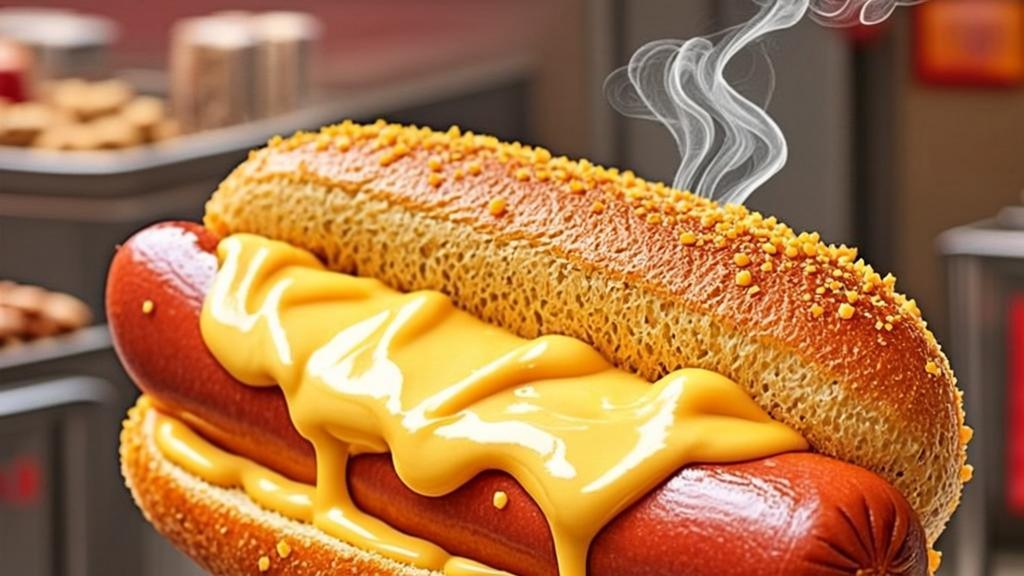
Japanese street food meets Korean trends at this popular spot. These aren’t your standard corn dogs—the sausages are coated in a sweet batter, rolled in sugar, and sometimes stuffed with mozzarella cheese.
The result is crispy, gooey, sweet, and savory all at once. I prefer the half-mozzarella, half-sausage version for the best of both worlds.
Expect to pay around 500-700 yen depending on your choice.
7. Bubble Tea at One of the Many Shops

Takeshita Street has embraced bubble tea culture enthusiastically. You’ll find multiple shops offering various flavors, from classic milk tea to fruit-based options and seasonal specials.
I typically grab one to sip while walking through the street. It’s refreshing, especially during Tokyo’s humid summers. Prices usually range from 400 to 700 yen.
Practical Tips for Your Takeshita Street Food Adventure
When to Visit
I recommend arriving around 11:30 AM. Most shops open at 11, and going early means shorter lines. Weekends are packed—if you can visit on a weekday, do it.
Crowds and Navigation
Takeshita Street gets incredibly crowded. I’m talking shoulder-to-shoulder crowds at peak times. If you’re traveling with kids, keep them close or consider a child carrier rather than a stroller.
Restroom Strategy
This caught me off guard my first time: there are virtually no public restrooms on Takeshita Street itself. Plan ahead. Your best options are:
- Alta complex (3rd floor, opens 10:30 AM)
- McDonald’s (24 hours, upstairs)
- Lotteria (8 AM – 10 PM)
Cash and Payment
Most shops accept credit cards and electronic payments now, but I always carry some cash. Smaller stalls might be cash-only, and it’s faster anyway.
Photography Etiquette
Taking photos is totally acceptable here—everyone does it. But be mindful of blocking the walkway. Step to the side for your shots, and respect any shops that post “no photography” signs.
Beyond Takeshita Street: Nearby Food Options
If you want a proper sit-down meal after your street food tour, head to the surrounding areas.
Omotesando (15-minute walk)
This tree-lined avenue has upscale dining options. Maisen Tonkatsu serves incredible pork cutlets—their Kurobuta tonkatsu is legendary. For ramen lovers, Afuri Harajuku offers light, yuzu-scented broth that’s refreshing after rich street food.
Cat Street
This pedestrian street between Harajuku and Shibuya has coffee roasters and casual cafes. The Roastery by Nozy Coffee is perfect for a quality caffeine fix.
My Perfect Takeshita Street Food Itinerary
Here’s how I’d spend an ideal afternoon:
- 11:30 AM: Arrive and grab a crepe from Marion Crepes
- 12:00 PM: Get a tornado potato to share
- 12:30 PM: Sample cream puffs from Zaku Zaku
- 1:00 PM: Take a break with bubble tea
- 1:30 PM: If you still have room, try the cotton candy for the full experience
- 2:00 PM: Explore the shops and purikura photo booths
Final Thoughts
Takeshita Street is undeniably touristy. But there’s a reason it’s famous—the energy, the creativity, and yes, the food, make it an essential Tokyo experience. The street food scene here represents everything fun about Japanese food culture: visual appeal, quality ingredients, and that perfect balance of tradition and trendiness.
My advice? Come hungry, bring your camera, and embrace the chaos. Takeshita Street isn’t about refined dining—it’s about trying new things, getting sugar on your fingers, and creating memories in one of Tokyo’s most vibrant neighborhoods.
And if you’re planning more Japan adventures, I’ve got plenty more tips and guides to help you make the most of your trip. Harajuku is just the beginning.
Have you been to Takeshita Street? What was your favorite snack? I’d love to hear about your experiences in the comments below!