Introduction
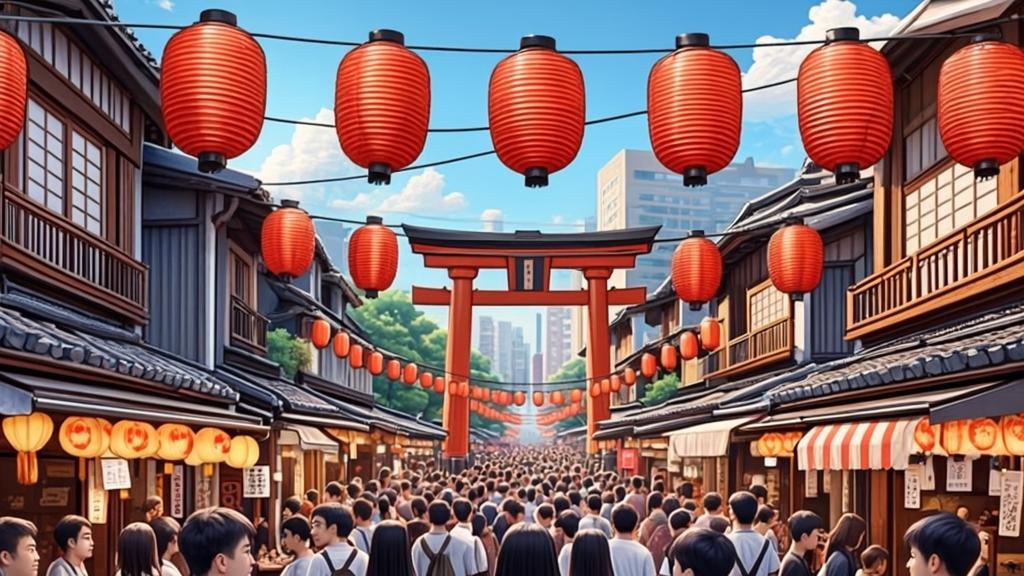
The smell of freshly fried snacks and sweet red bean paste hit me before I even saw the giant red lantern. That’s the thing about Nakamise Street in Asakusa – your senses wake up the moment you step through Kaminarimon Gate. I’ve been coming here for years, and every single time, I discover something new to love about this historic shopping street.
If you’re planning a trip to Tokyo and wondering what street food to try in Asakusa, you’ve come to the right place. I’m going to share everything I know about Nakamise Street food – from the famous melon pan that people line up for to the traditional ningyoyaki shaped like the Thunder Gate itself.
What Makes Nakamise Street Special
Before we dive into the food, let me give you some context. Nakamise-dori is the oldest shopping street in Japan, dating back to the 17th century. This 250-meter stretch connects the iconic Kaminarimon (Thunder Gate) to Senso-ji Temple, Tokyo’s oldest temple founded in 628 AD.
What strikes me most about this place is how it manages to feel both incredibly touristy and authentically Japanese at the same time. Yes, you’ll see crowds of visitors taking photos in front of every shop. But you’ll also find family-run businesses that have been here for generations, serving the same recipes their grandparents created.
The street has around 89 shops, and many of them are family-owned operations passed down through the years. Walking here feels like stepping back in time while still enjoying modern conveniences. It’s this blend of old and new that makes Nakamise such a magical place to explore.
Must-Try Street Food on Nakamise Street
The Famous Jumbo Melon Pan at Kagetsudo
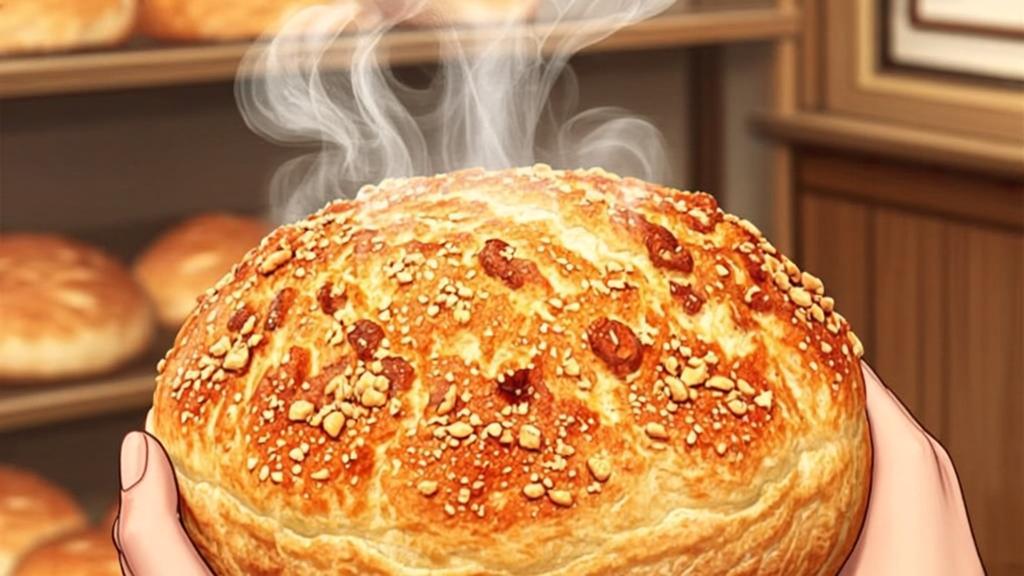
Let’s start with the one snack you absolutely cannot miss. Kagetsudo has been serving their legendary Jumbo Melon Pan since 1945, and trust me when I say this bread lives up to the hype.
What makes it so special? The exterior is perfectly crispy with a cookie-like texture, while the inside remains incredibly soft and fluffy. They bake these fresh throughout the day, and you can often smell them before you see the shop.
I recommend getting here early if possible. The shop opens at 10:00 AM on weekends and 11:00 AM on weekdays, but they literally stay open until they sell out. Some days, that happens pretty quickly.
The exterior wall covered with colorful windmills makes for a great photo op while you’re waiting in line. It’s become quite the Instagram spot, and honestly, the pictures turn out pretty cute.
Price: Around 200-300 yen
Best time to go: Right when they open
Ningyoyaki – Edible Art Shaped Like the Thunder Gate

If you want something uniquely Asakusa, ningyoyaki is your answer. These small, cake-like confections filled with sweet red bean paste come in shapes that represent the area – including the famous Kaminarimon gate, pigeons, and lanterns.
What I love about ningyoyaki is how they manage to be cute and delicious at the same time. The exterior has a slightly crisp texture when fresh, while the inside stays moist. The red bean paste (anko) provides just the right amount of sweetness without being overwhelming.
Mihatodo on Nakamise Street is one of the best places to get these. They’ve perfected the balance between traditional methods and modern tastes. Watching them make these treats on the iron grill is half the fun.
Pro tip: Buy them fresh and eat them warm. The texture is so much better than when they’ve cooled down.
Asakusa Menchi – The Savory Street Snack
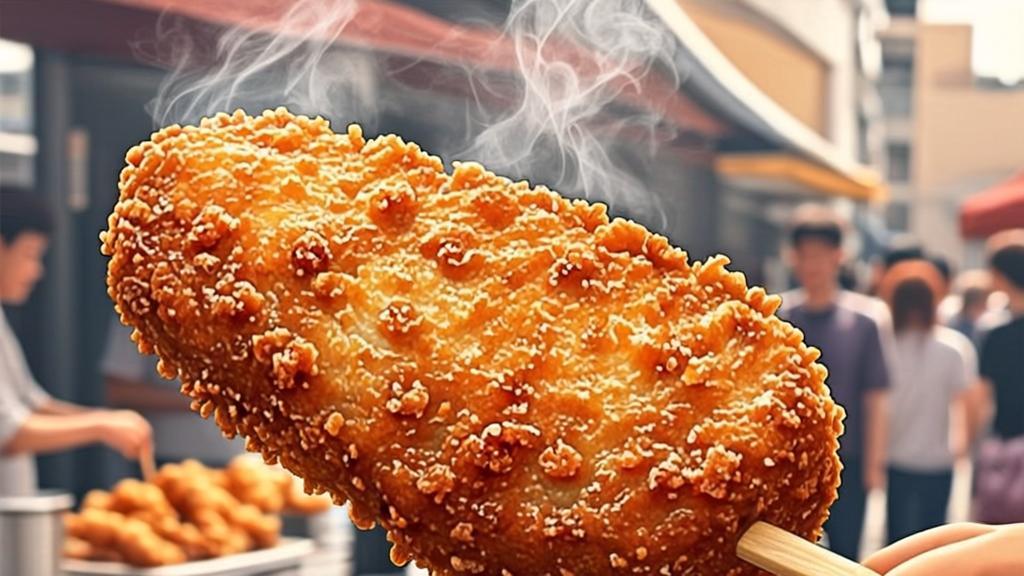
When you need a break from all the sweets, Asakusa Menchi is here to save the day. These breaded, deep-fried minced meat patties are pure comfort food.
The name comes from “menchi” (minced) and “katsu” (cutlet), which pretty much tells you everything you need to know. A good menchi katsu has a crispy golden exterior and a juicy, flavorful inside. The meat typically includes a mix of pork and beef, with onions adding extra texture and sweetness.
What I appreciate about the menchi here is that they make them fresh to order. You can actually watch them bread and fry your patty right in front of you. Nothing beats biting into something that just came out of the fryer.
Price: 200-500 yen per piece
Pair it with: The tonkatsu sauce they provide – it adds a sweet and tangy kick
Kibidango – The Classic Japanese Sweet
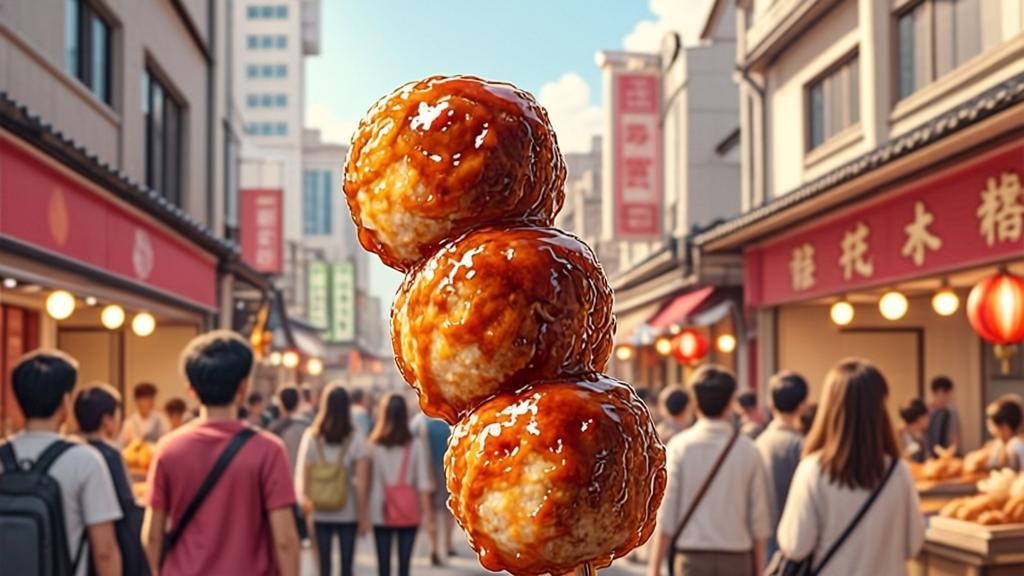
Walking down Nakamise, you’ll notice shops selling these small, round sweets on sticks. That’s kibidango, a traditional Japanese confection made from millet flour and sugar.
These are perfect for snacking while you walk. They’re not too sweet, have a pleasant chewy texture, and come at prices that won’t hurt your wallet. In Japanese folklore, kibidango is famously associated with Momotaro (the Peach Boy), which adds a fun cultural element to your snacking experience.
I like to grab a few sticks and munch on them while browsing the other shops. They’re light enough that they won’t fill you up before your next food stop.
Traditional Japanese Sweets and Mochi
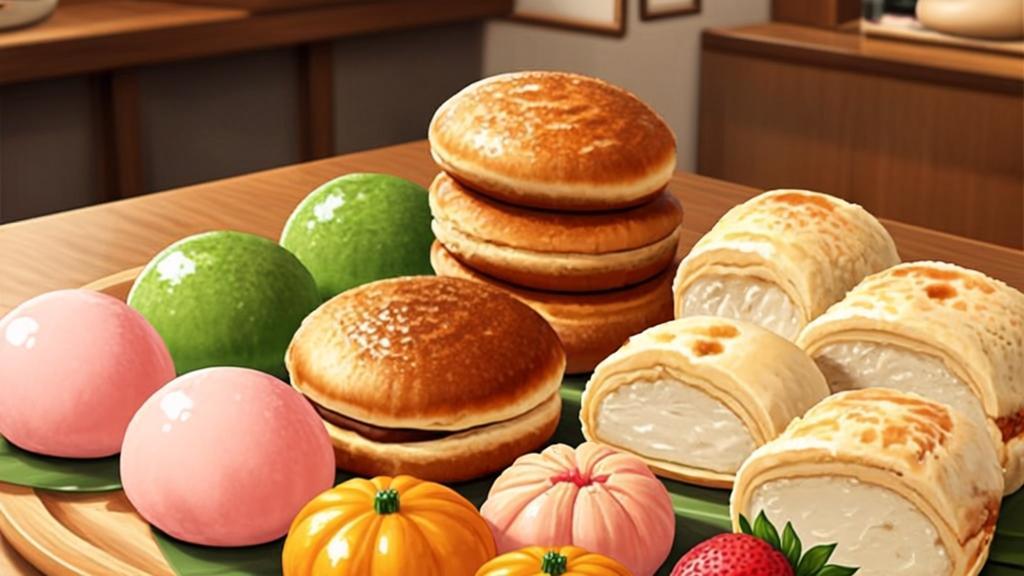
Nakamise Street is a paradise for anyone with a sweet tooth. Beyond ningyoyaki and kibidango, you’ll find countless shops selling mochi, dorayaki, and other traditional confections.
One thing I always tell visitors: don’t be afraid to try something you’ve never heard of. Some of my favorite discoveries have come from pointing at something random and asking the shopkeeper what it is.
The red bean paste in Japanese sweets (anko) might be an acquired taste for some, but I encourage you to give it a chance. It’s less sugary than Western sweets and has a depth of flavor that grows on you.
Tips for Enjoying Nakamise Street Food
Best Times to Visit

Here’s what I’ve learned from my many visits: timing matters. Weekends and holidays are incredibly crowded. We’re talking shoulder-to-shoulder crowds that make it hard to even see the shop displays.
If you can, go on a weekday morning. The street is calmer, the shopkeepers have more time to chat, and you won’t have to wait in long lines for popular items.
Early morning also means fresher food. Many shops bake their signature items first thing in the morning, so you’re getting them at their absolute best.
How to Navigate the Street Food Scene
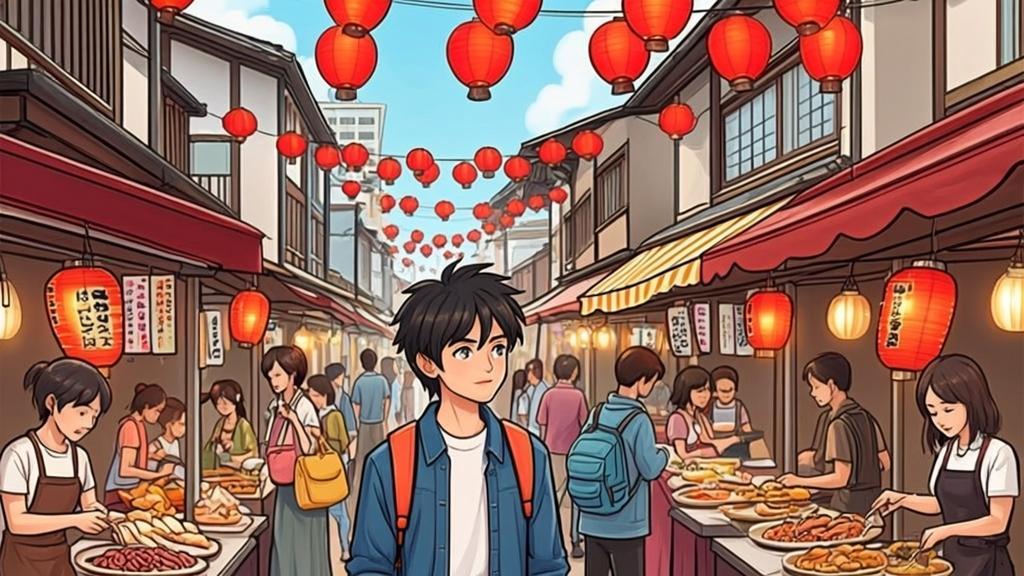
The beauty of Nakamise is that it’s just one straight street. You can walk from Kaminarimon to Senso-ji Temple in about 10 minutes if you don’t stop. But that would be missing the entire point.
I recommend giving yourself at least two hours to properly explore. Walk down one side of the street and back up the other. Take your time looking at everything.
Don’t feel pressured to buy from the first shop you see. Many shops sell similar items, so it’s worth comparing prices and seeing what looks freshest.
Understanding Japanese Street Food Etiquette

This is important: in Japan, it’s generally considered rude to walk and eat at the same time. Most shops will provide a small area near their stall where you can stand and eat your food. Some shops even have small benches.
Also, make sure to dispose of your trash properly. Japan is very particular about cleanliness, and you won’t find many public trash cans. Your best bet is to return your trash to the shop where you bought the food.
Beyond the Food: The Full Nakamise Experience
While the street food is amazing, Nakamise offers so much more. The shops here sell everything from traditional crafts and souvenirs to kimonos and Japanese kitchenware.
I always tell people to look up while they’re walking. The architecture and decorations on the buildings are beautiful, and you’ll miss them if you’re only looking at the food stalls.
And of course, the destination at the end of the street – Senso-ji Temple – is absolutely worth exploring. The temple grounds are free to enter, and the atmosphere is incredibly peaceful despite the crowds.
Nearby Food Areas Worth Exploring
If you want to continue your food adventure beyond Nakamise, the surrounding area has plenty to offer.
Hoppy Street (officially called Denpoin-dori) runs parallel to Nakamise and is lined with izakayas (Japanese pubs) with outdoor seating. It’s a great place to experience the local nightlife.
Kappabashi-dori, also known as Kitchen Town, is just a short walk away. This is where restaurants and home cooks shop for kitchen supplies. You can even find shops selling those realistic plastic food models you see in restaurant windows.
Final Thoughts
Every time I visit Nakamise Street, I fall in love with Asakusa all over again. There’s something magical about eating street food that’s been served the same way for generations, surrounded by history that dates back centuries.
The key to enjoying Nakamise is to take your time. Don’t rush from one snack to the next. Savor each bite, chat with the shopkeepers, and soak in the atmosphere.
Yes, it’s touristy. Yes, it gets crowded. But that doesn’t make it any less special. Some places become tourist attractions for good reason, and Nakamise Street is definitely one of them.
So when you’re planning your Tokyo itinerary, make sure to leave plenty of time for Asakusa. Come hungry, bring your curiosity, and prepare for one of the most delicious walks you’ll ever take.
Quick Reference: Must-Try Foods on Nakamise Street
- Jumbo Melon Pan at Kagetsudo – Crispy outside, fluffy inside
- Ningyoyaki – Red bean-filled cakes shaped like Kaminarimon
- Asakusa Menchi – Deep-fried minced meat patties
- Kibidango – Traditional millet sweets on sticks
- Mochi and traditional sweets – Various shops throughout the street
Happy eating, and enjoy your time in one of Tokyo’s most beloved neighborhoods!