If you have ever walked into a Japanese izakaya and wondered what the locals are sipping from those small ceramic bottles, chances are it was shochu. While sake might get all the international attention, shochu is actually Japan’s most consumed spirit domestically, and for good reason. I have spent years exploring Japan’s drinking culture, and I can confidently say that understanding shochu will transform your experience of Japanese cuisine and hospitality.
What is Shochu?
Shochu is a traditional Japanese distilled spirit with a history spanning over 500 years. Unlike sake, which is brewed through fermentation, shochu undergoes a distillation process that concentrates both the alcohol and the unique characteristics of its base ingredients.
The result? A versatile spirit typically ranging from 20% to 45% alcohol by volume, with most varieties sitting comfortably around 25% ABV. This makes it stronger than wine or sake but generally milder than whiskey, vodka, or other Western spirits.
What truly sets shochu apart is its incredible diversity. Under Japanese law, shochu can be made from 49 different ingredients. The most common include:
- Sweet Potato (Imo): Earthy, rich, and aromatic
- Barley (Mugi): Clean, crisp, and approachable
- Rice (Kome): Smooth and elegant
- Buckwheat (Soba): Nutty and distinctive
- Brown Sugar (Kokuto): Unique to the Amami Islands
Each ingredient imparts its own character, making shochu a spirit that rewards exploration.
The Fascinating History of Shochu
Understanding shochu means understanding its journey to Japan. Distillation technology is believed to have originated around 3000 BCE, eventually making its way to East Asia through trade routes.
The most widely accepted theory suggests that shochu arrived in Japan through the Ryukyu Kingdom (modern-day Okinawa) via the Indochina Peninsula. From there, it spread throughout Kyushu and eventually across all of Japan.
The oldest form of shochu is Awamori, a rice-based spirit from Okinawa that dates back to around 1470. Awamori uses Thai rice and black koji mold, giving it a distinctive character that differs from mainland shochu. During the Ryukyu Dynasty period, awamori was considered a luxury item and was even offered as royal tribute.
Today, shochu remains deeply embedded in Japanese culture. In December 2024, traditional Japanese sake brewing, which includes shochu and awamori, was officially registered as a UNESCO Intangible Cultural Heritage, cementing its global significance.
How Shochu is Made
The production of shochu is an art form that combines tradition with precision. Here is what goes into every bottle:
The Role of Koji
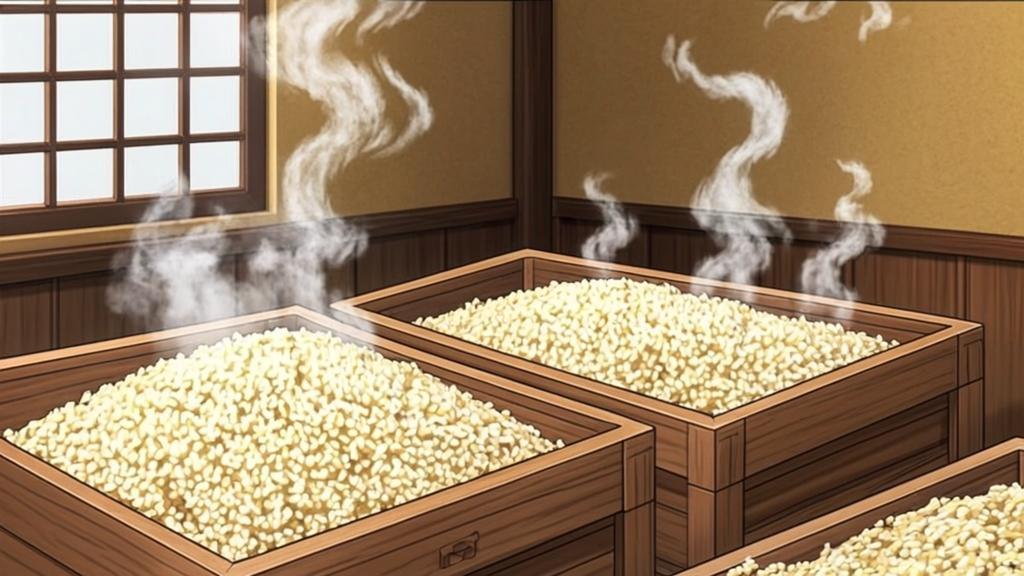
Like sake, shochu production begins with koji mold. This remarkable microorganism converts starches into fermentable sugars. Different types of koji create different flavor profiles:
- White koji: Most common today, produces mild flavors
- Black koji: Traditional, used in awamori, creates bolder flavors
- Yellow koji: Also used in sake, produces elegant aromas
Two Production Methods
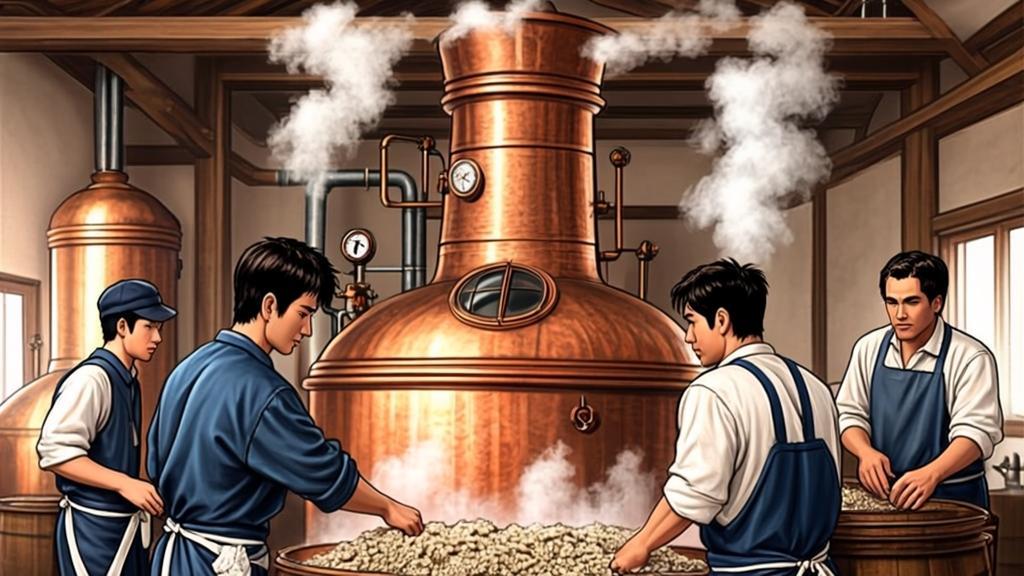
Japanese law recognizes two distinct production methods:
Otsurui (Single Distillation) – This traditional method uses pot stills and can only reach up to 45% ABV. The result is a spirit that retains more of the base ingredient’s character and complexity. These are typically higher-quality, more expensive shochu.
Kourui (Continuous Distillation) – This modern method uses column stills and can reach up to 36% ABV. The result is a cleaner, lighter spirit often used in highballs and cocktails.
Regional Varieties: A Tour Through Japan
One of the joys of exploring shochu is discovering how different regions produce distinctly different spirits.
Kagoshima Prefecture
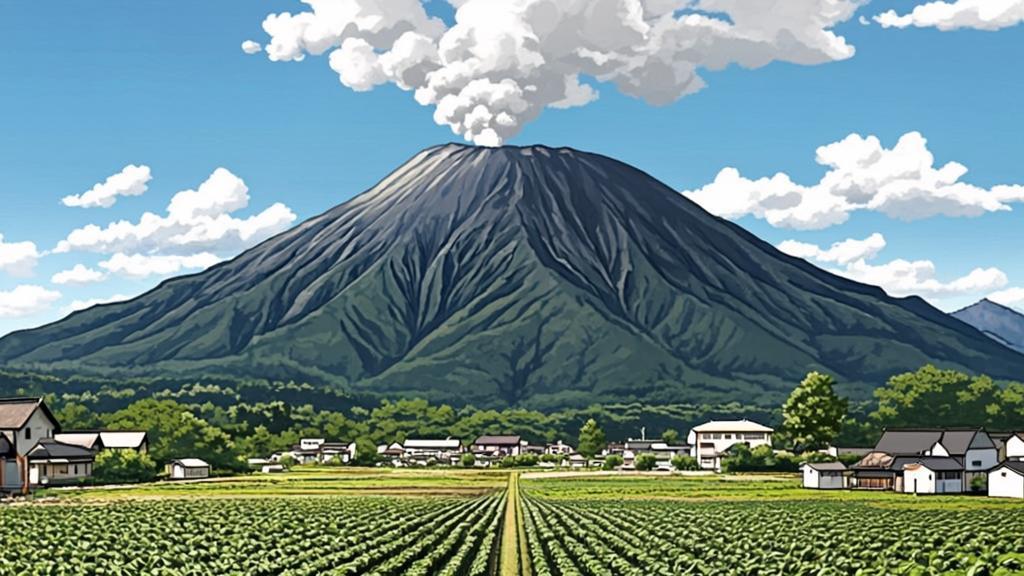
Known as the heart of sweet potato shochu, Kagoshima produces some of Japan’s most celebrated bottles. The volcanic soil creates ideal conditions for growing sweet potatoes, resulting in shochu with deep, earthy aromas. Famous brands include Maou and Kurokirishima.
Oita Prefecture
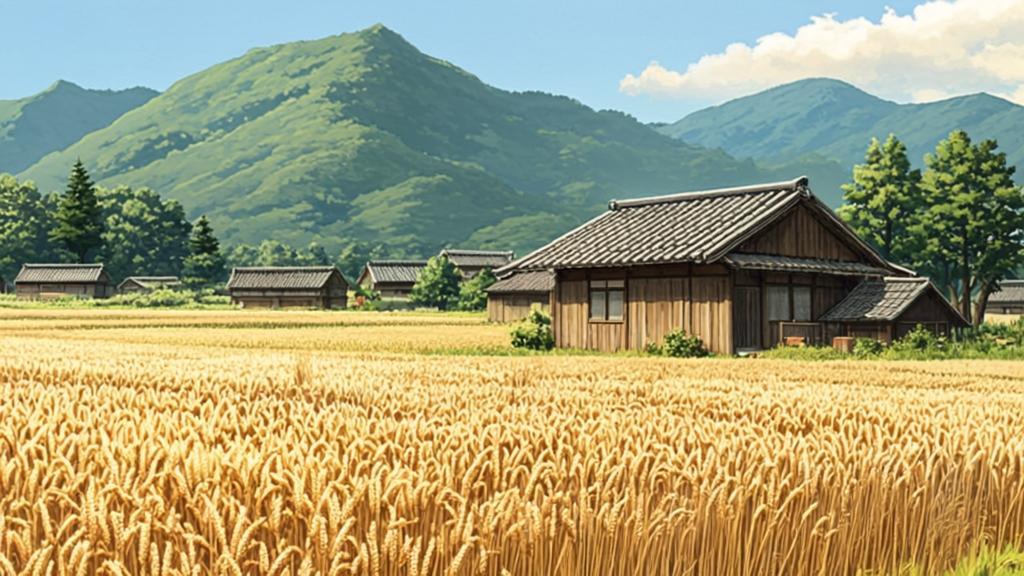
Oita has made a name for itself with barley shochu. The style here is clean, approachable, and perfect for beginners. Iichiko is perhaps the most famous brand, known for its smooth character with subtle fruity notes.
Okinawa

Home to awamori, Okinawa produces a unique style aged in clay pots. The tropical climate influences the aging process, creating complex flavors you will not find anywhere else.
Kumamoto and Nagasaki
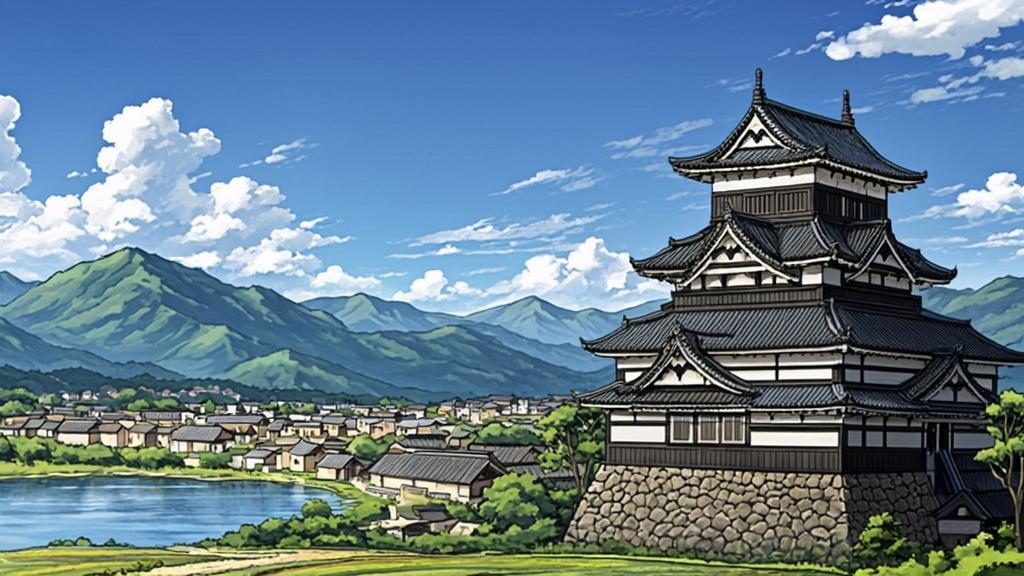
Kumamoto is renowned for rice shochu, while Nagasaki’s Iki Island has protected geographical indication for its barley shochu, which must contain at least 10% rice koji.
How to Drink Shochu
This is where shochu truly shines. Its versatility means there is a drinking style for every preference and season.
Traditional Methods
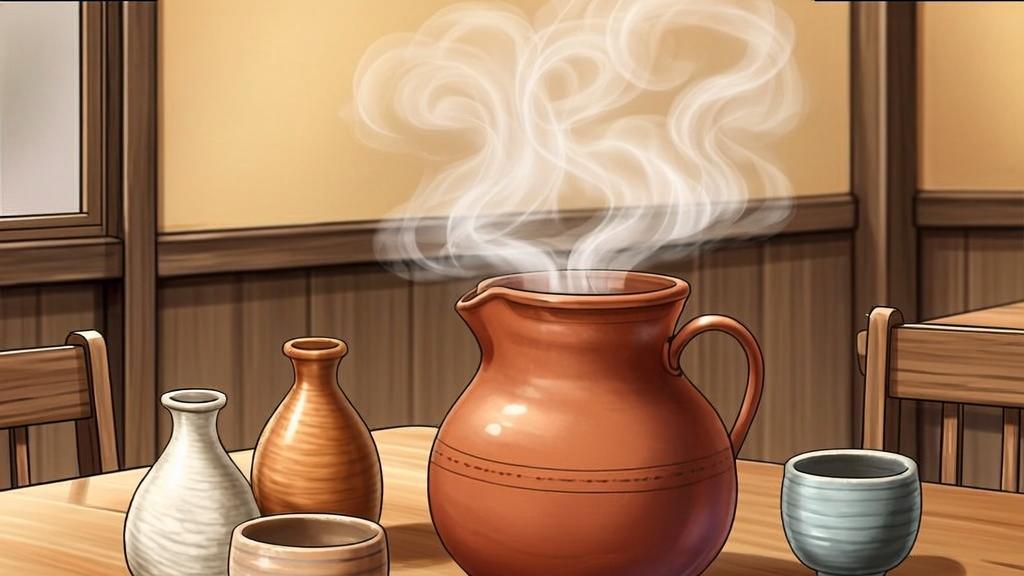
Straight (Neat) – The best way to appreciate premium shochu. Pour into a small glass and sip slowly to experience the full character of the spirit.
On the Rocks – Serve over ice for a refreshing experience. As the ice melts, the shochu gradually dilutes, revealing different flavor notes.
Mizuwari (With Cold Water) – Mix with cold mineral water for a smooth, session-friendly drink. This is perfect for long evenings at izakayas.
Oyuwari (With Hot Water) – My personal favorite for winter. Hot water releases aromatic compounds, especially in sweet potato shochu. The result is warming and incredibly fragrant.
Modern Favorites

Chu-Hi (Shochu Highball) – Mix shochu with soda water and fruit juice or flavored syrup. Popular flavors include lemon, grape, and green apple. This lower-alcohol option is incredibly popular with younger drinkers.
Mixed with Tea – Oolong tea and green tea are common mixers that complement shochu’s character while keeping things light.
Recommended Shochu for Beginners
If you are new to shochu, here are some accessible bottles to start your journey:
For Sweet Potato Lovers: Kurokirishima offers rich flavor without breaking the bank. It is widely available and represents the style perfectly.
For Barley Fans: Iichiko is smooth and approachable, with subtle fruity notes that make it easy to enjoy.
For Something Different: Tan-taka-tan is a perilla shochu with a unique herbal character. At 20% ABV, it is lighter and very refreshing.
Food Pairings
Shochu’s moderate alcohol content and diverse flavors make it an excellent companion for food.
Sweet potato shochu pairs beautifully with grilled meats and hearty dishes. Barley shochu complements lighter fare like sashimi and salads. Rice shochu works well with delicate flavors, while brown sugar shochu can even pair with desserts.
At izakayas, you will often see shochu paired with yakitori, grilled fish, and various small plates. The spirit’s clean finish helps cleanse the palate between bites.
Shochu vs. Sake: Understanding the Difference
People often confuse these two, but they are fundamentally different:
Production: Sake is brewed (like beer), while shochu is distilled (like whiskey).
Alcohol Content: Sake typically sits at 15-16% ABV, while shochu ranges from 20-45% ABV.
Ingredients: Sake is made exclusively from rice. Shochu can be made from dozens of ingredients.
Serving: Sake is served cold or warm, usually on its own. Shochu is incredibly versatile and can be mixed with water, soda, tea, or enjoyed neat.
Both deserve a place in your drinking repertoire, but shochu offers more flexibility for different occasions.
Tips for Enjoying Shochu in Japan
If you are visiting Japan, here is how to make the most of your shochu experience:
Visit an Izakaya: These casual pubs typically have extensive shochu menus. Do not be afraid to ask staff for recommendations.
Try Different Styles: If you do not like one variety, try another. The difference between sweet potato and barley shochu is remarkable.
Consider the Season: Hot water dilutions are perfect for winter, while chu-hi is refreshing in summer.
Explore Regional Specialties: If you are traveling to Kyushu or Okinawa, taste the local styles. Each region has something unique to offer.
Health Considerations
Shochu is often considered one of the healthier spirit options. The distillation process removes many impurities, and some studies suggest it causes less severe hangovers than other spirits. Of course, moderation is always key.
The lower alcohol content compared to Western spirits also means you can enjoy it over a longer period without overwhelming your system.
Where to Buy Shochu
In Japan, shochu is available at convenience stores, supermarkets, and liquor shops. Outside Japan, look for it at specialty liquor stores or Japanese markets.
Premium single-distillation shochu is worth seeking out if you want to experience the spirit at its finest. While more expensive, the depth of flavor is remarkable.
Final Thoughts
Shochu represents centuries of Japanese craftsmanship and regional pride. Its incredible diversity means there is always something new to discover, whether you are a seasoned spirits enthusiast or just beginning your journey.
I encourage you to explore this wonderful spirit with an open mind. Start with the approachable barley varieties, work your way up to the complex sweet potato styles, and do not be afraid to experiment with different serving methods.
Shochu is not just a drink, it is a window into Japanese culture and hospitality. Once you understand it, you will see why it holds such a special place in the hearts of Japanese people.
Kanpai!