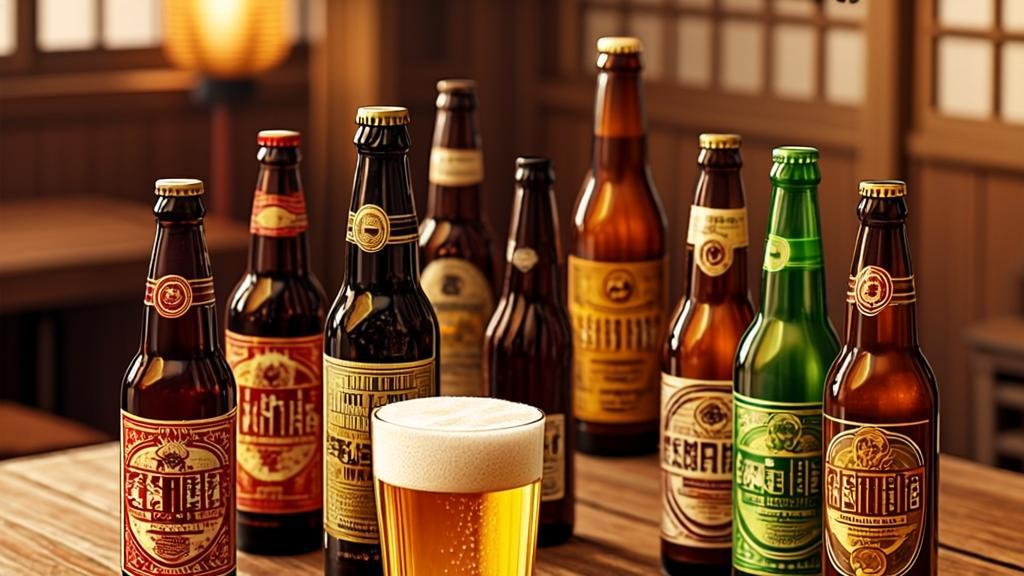
When I first stepped into a tiny craft beer bar in Tokyo’s Shibuya district, I had no idea Japan had such a vibrant beer culture. As someone who grew up thinking Japanese beer meant only the big names like Asahi and Kirin, discovering the world of Japanese craft beer was a revelation that changed how I think about beer entirely.
Let me take you on a journey through Japan’s fascinating beer landscape, from its surprising history to the innovative craft breweries that are putting Japan on the global beer map.
The Surprising History of Beer in Japan
Beer isn’t native to Japan, but the country has embraced it with remarkable passion. The story begins in the Edo Period when Dutch traders brewed beer in Nagasaki for their own consumption. But the real birth of Japanese beer came in 1869 when a foreign entrepreneur founded what would later become Kirin Beer in Yokohama.
Just seven years later in 1876, the Japanese government established a brewery in Sapporo, Hokkaido, creating the Sapporo Beer brand. Both Yokohama and Sapporo still debate which city deserves the title of “birthplace of Japanese beer.”
For most of the 20th century, beer overtook sake as Japan’s favorite alcoholic beverage, becoming the country’s unofficial “national drink.” But the craft beer revolution didn’t arrive until 1994, when the government dramatically relaxed brewing laws.
The change was significant: the minimum production requirement for a brewing license dropped from 2 million liters to just 60,000 liters annually. Within a single year, over 100 new breweries sprouted up across Japan like spring bamboo shoots. These early craft beers were called “ji-biru” (地ビール), meaning “local beer.”
At first, these breweries mainly produced German-style wheat beers and Pilsners. But over time, Japanese brewers began experimenting with local ingredients and unique brewing techniques that set their beers apart from anything else in the world.
Understanding Japanese Beer Categories
If you’ve ever shopped for beer in Japan, you might have noticed some confusion about what counts as “real” beer. This stems from Japan’s alcohol tax laws, which categorize beer based on malt content.
Regular Beer (ビール)
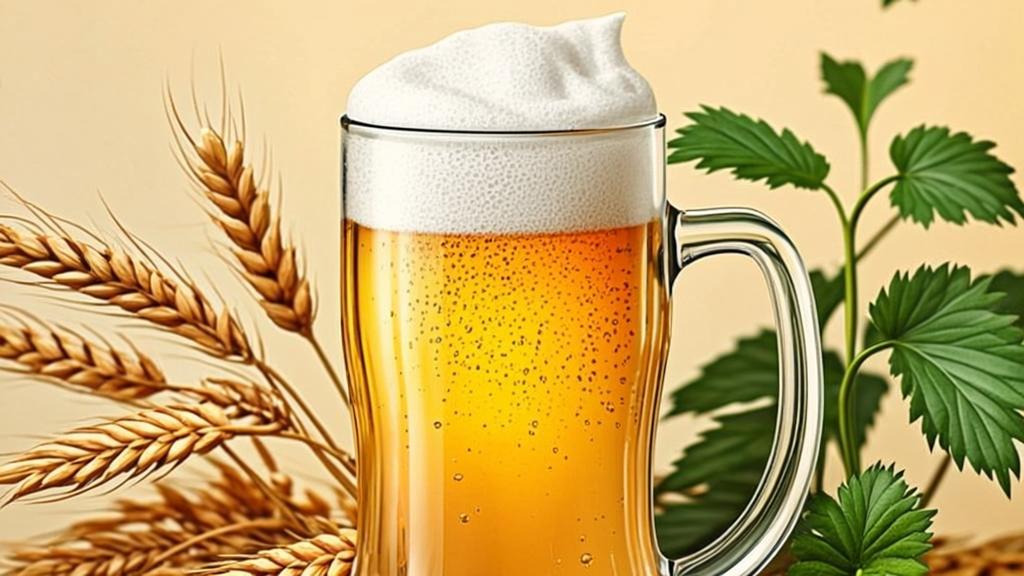
This is the premium category with standard malt content. You’ll pay more, but you’re getting higher quality. The major brands like Asahi Super Dry, Kirin Ichiban, and Sapporo Classic fall into this category.
Happoshu (発泡酒)
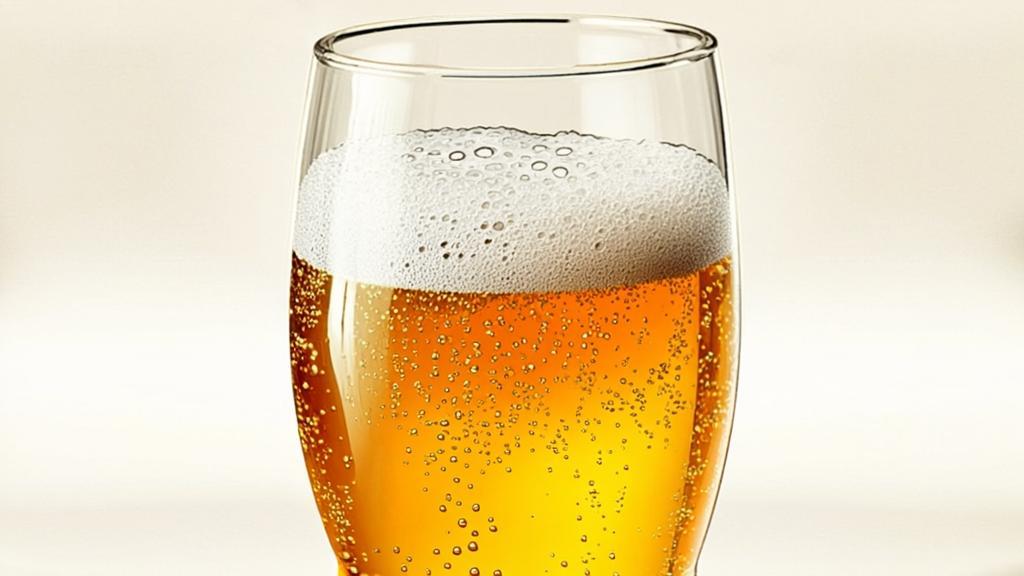
Happoshu contains around 25% malt content, resulting in a lighter taste and lower price point. It’s a popular choice for everyday drinking when you want something refreshing without the premium cost.
Third Category Beer
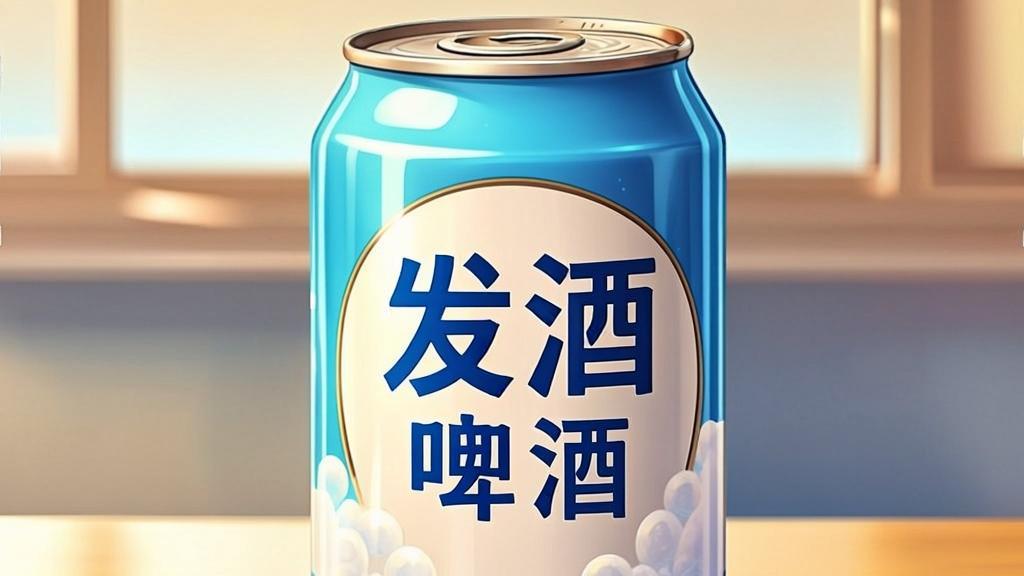
These beer-flavored beverages contain no malt at all, making them the cheapest option. While they might not satisfy serious beer enthusiasts, they serve a purpose in the market for budget-conscious consumers.
The Major Players: Japan’s Big Four
Before diving into craft beer, it’s worth understanding the major brands that dominate Japan’s beer landscape. Even craft beer enthusiasts should try these at least once.
Asahi
Asahi Super Dry revolutionized Japanese beer when it launched in 1987. Its crisp, clean taste with a sharp finish became synonymous with modern Japanese beer. The “dry” style, characterized by minimal residual sweetness, was a game-changer that influenced breweries worldwide.
Kirin
Dating back to 1888, Kirin is Japan’s oldest continuously operating brewery. Their Ichiban Shibori (“First Press”) method uses only the first wort extraction, creating a remarkably pure flavor. I find their seasonal limited editions particularly interesting, as they showcase different aspects of Japanese beer culture throughout the year.
Sapporo and Yebisu
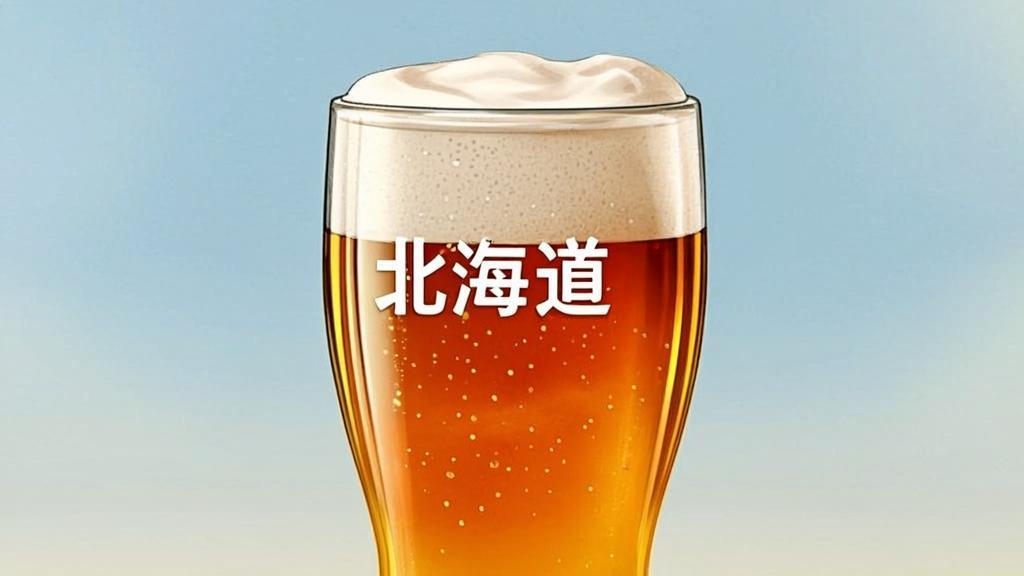
Founded in 1876, Sapporo is Japan’s oldest beer brand. Their premium line, Yebisu, represents the pinnacle of Japanese brewing. Using European malt and a unique ale brewing process, Yebisu offers rich, complex flavors with incredibly fine, persistent foam. The purple can of Yebisu Premium Ale is my go-to recommendation for visitors wanting to experience Japanese premium beer.
Suntory

Suntory brings innovation to traditional brewing. Their Premium Malt’s series uses “diamond malt” for enhanced aroma, and they’re known for seasonal varieties that capture the essence of each Japanese season. Their direct-fire roasting process creates distinctive flavors you won’t find elsewhere.
The Craft Beer Revolution
While the big four dominate mainstream consumption, Japan’s craft beer scene has exploded with creativity and quality. After the initial boom in the 1990s, the market stabilized at around 180-200 breweries, but these breweries have become increasingly sophisticated.
Hitachino Nest
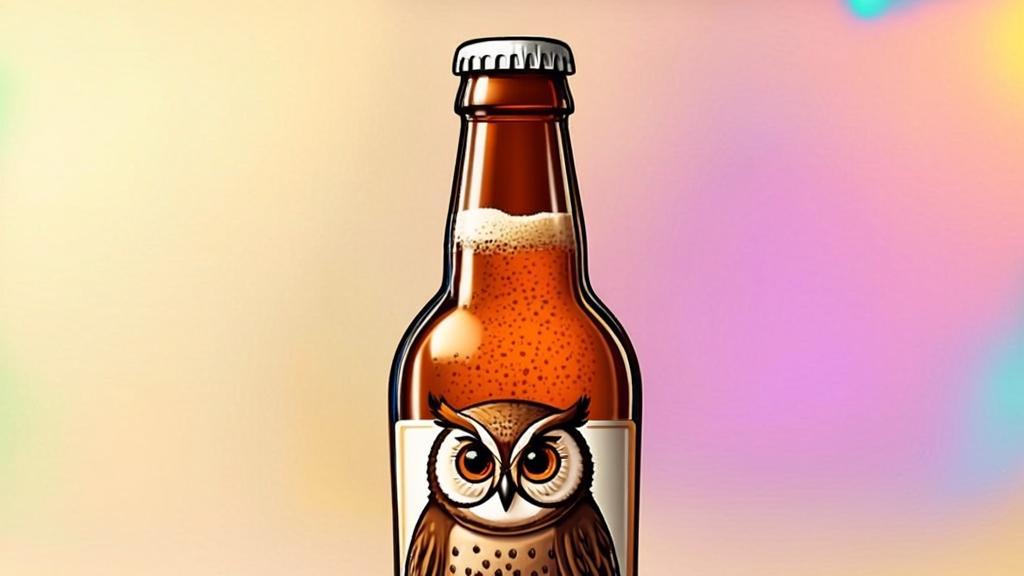
Perhaps Japan’s most internationally recognized craft beer brand, Hitachino Nest from Kiuchi Brewery has won numerous international awards. Their signature owl logo appears on bottles worldwide. What makes them special is their willingness to experiment with Japanese ingredients like matcha (green tea) and sansho pepper while maintaining classic brewing techniques.
Minoh Beer
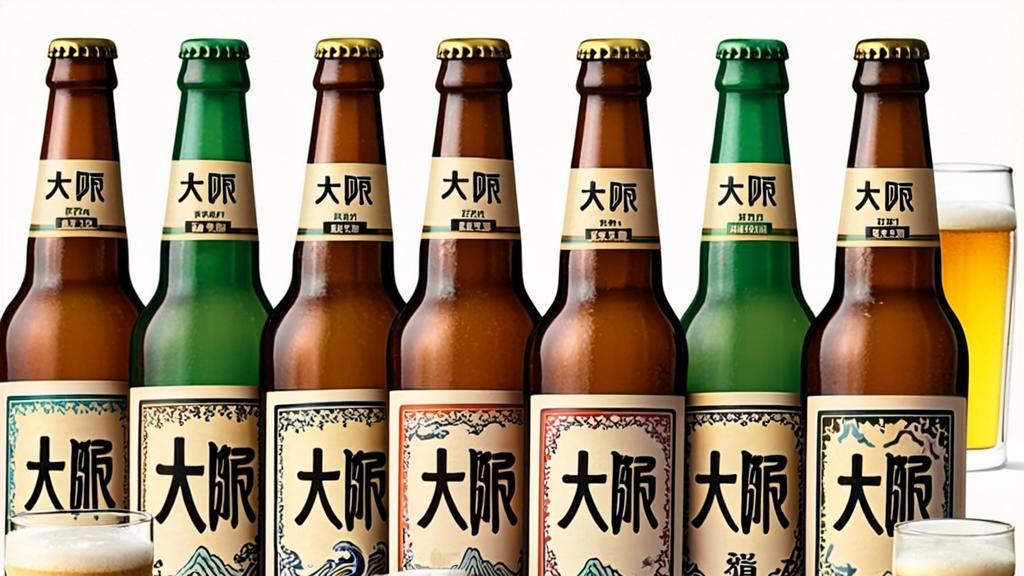
This Osaka-based brewery has collected multiple international awards for their brews. They’ve proven that Japanese craft beer can compete on the world stage, producing everything from classic styles to innovative seasonal offerings.
DevilCraft

With multiple locations in Tokyo, DevilCraft has become a destination for both locals and tourists. They focus on traditional styles executed with precision, offering clean, well-balanced beers that showcase the skill of Japanese brewers.
Unique Japanese Beer Styles and Flavors
What sets Japanese craft beer apart is the incorporation of local ingredients and the influence of Japanese culinary philosophy. Brewers approach beer much like Kaiseki cuisine, emphasizing craftsmanship, local terroir, and the adaptation of foreign influences into uniquely Japanese expressions.
Yuzu Beer
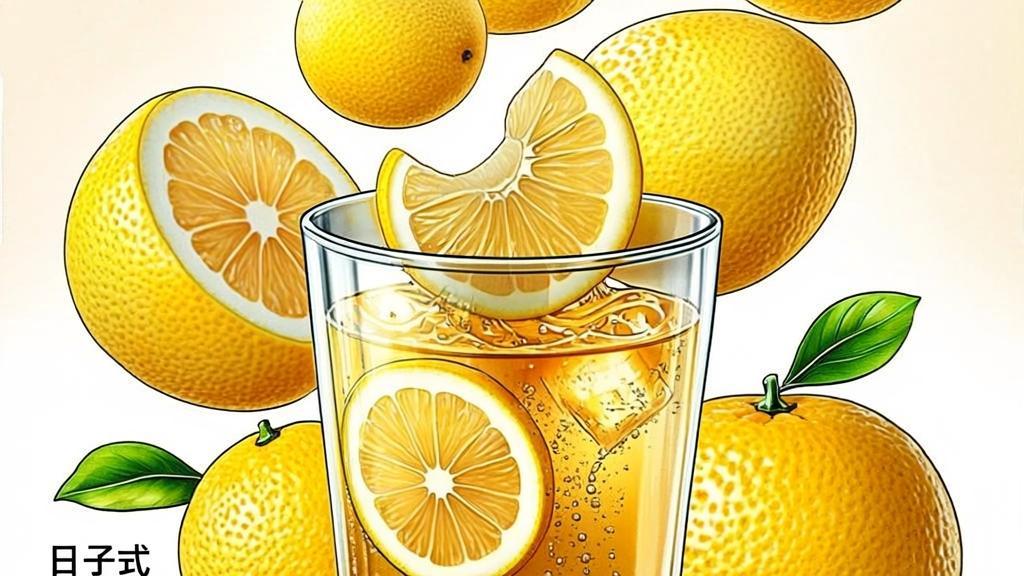
Yuzu, the fragrant Japanese citrus fruit, has found its way into many craft beers. Yuzu IPAs and wheat beers offer a bright, aromatic quality that pairs beautifully with Japanese cuisine. The Yokohama Bay Brewing Yuzu German Wheat Beer has won gold medals and exemplifies this style perfectly.
Matcha Beer
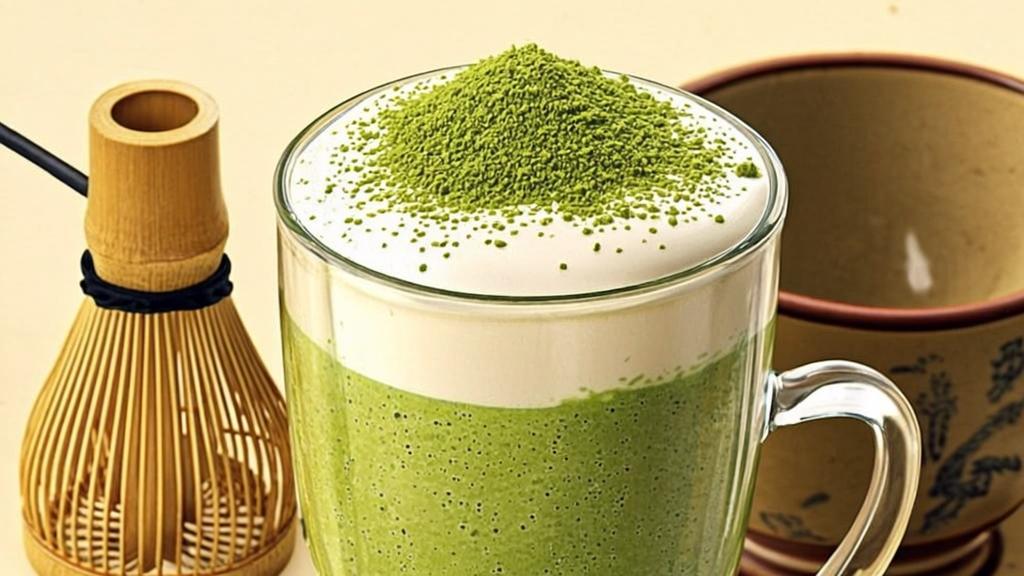
Green tea and beer might sound like an unusual combination, but the earthy, slightly bitter notes of matcha complement malt flavors surprisingly well. Several breweries produce seasonal matcha beers that are worth seeking out.
Fruit-Forward Innovations
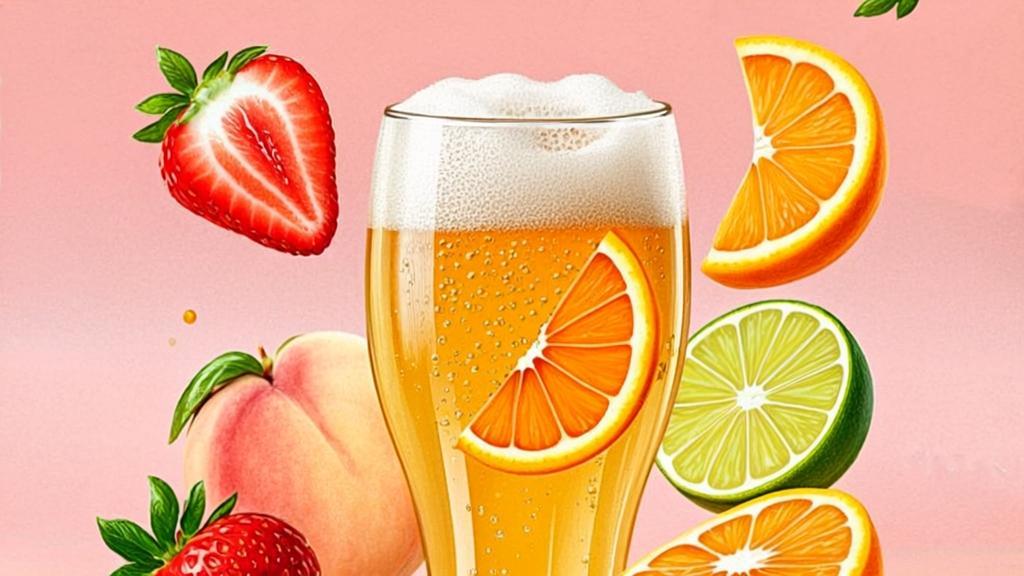
Modern Japanese craft breweries are pushing boundaries with fruit puree beers. UCHU BREWING, for instance, specializes in fruit-forward beers with unique textures that have gained international recognition.
Where to Experience Japanese Craft Beer
One of the joys of visiting Japan is experiencing its beer culture firsthand. Here are some ways to dive in:
Craft Beer Bars in Tokyo and Osaka
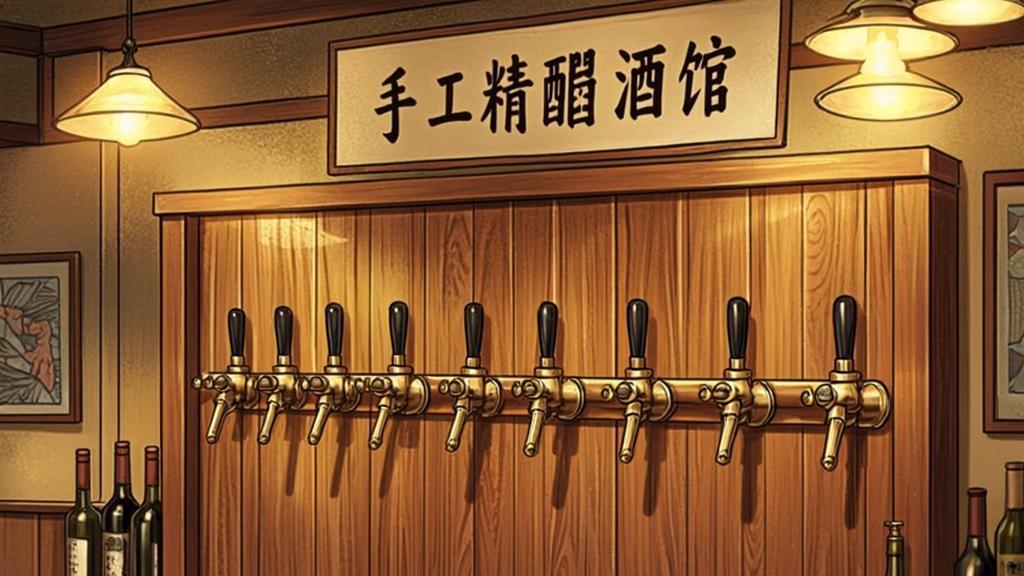
Major cities boast vibrant craft beer scenes with bars offering 5 to 50+ taps. Places like 5Tap in Tokyo (featured in the popular drama “We Cannot Become Beasts”) offer extensive selections in atmospheric settings.
Brewery Visits
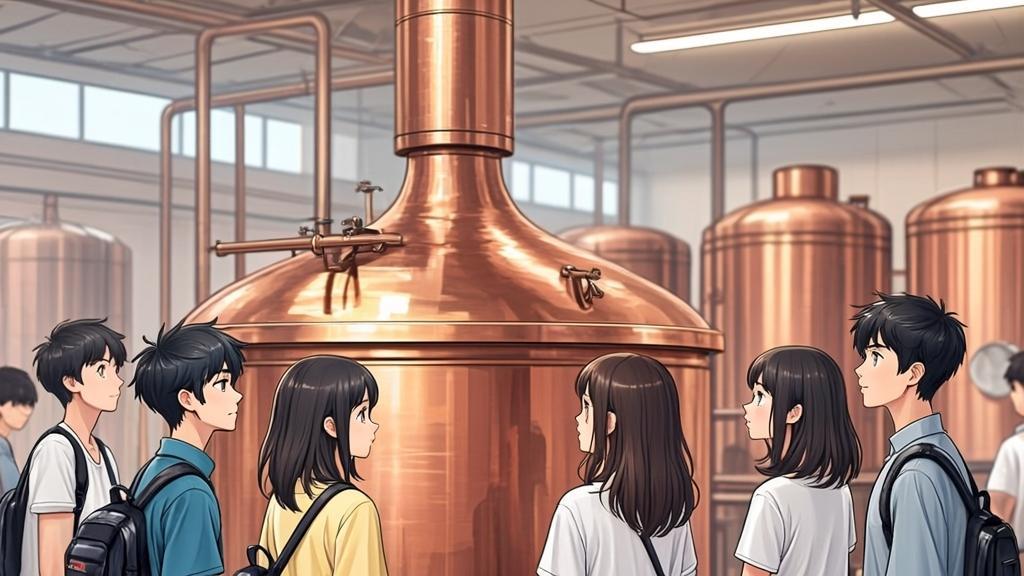
Many breweries welcome visitors for tours and tastings. Spring Valley Brewery in Yokohama, located within the Kirin factory complex, offers an excellent experience with their signature “496” beer and unique options like Jazzberry (a fruit-forward brew). You can enjoy farm-fresh food while watching the brewing process.
Izakaya Culture

Japanese pubs called izakaya are perfect for experiencing beer alongside Japanese food culture. Order a nama biiru (draft beer) and sample various dishes to understand how Japanese beer complements local cuisine.
Onsen Town Breweries
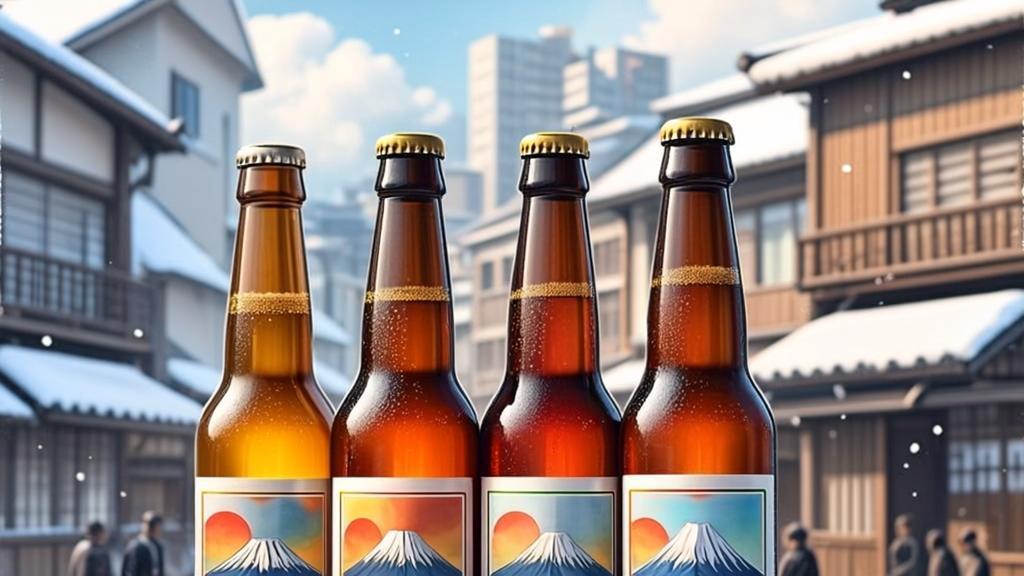
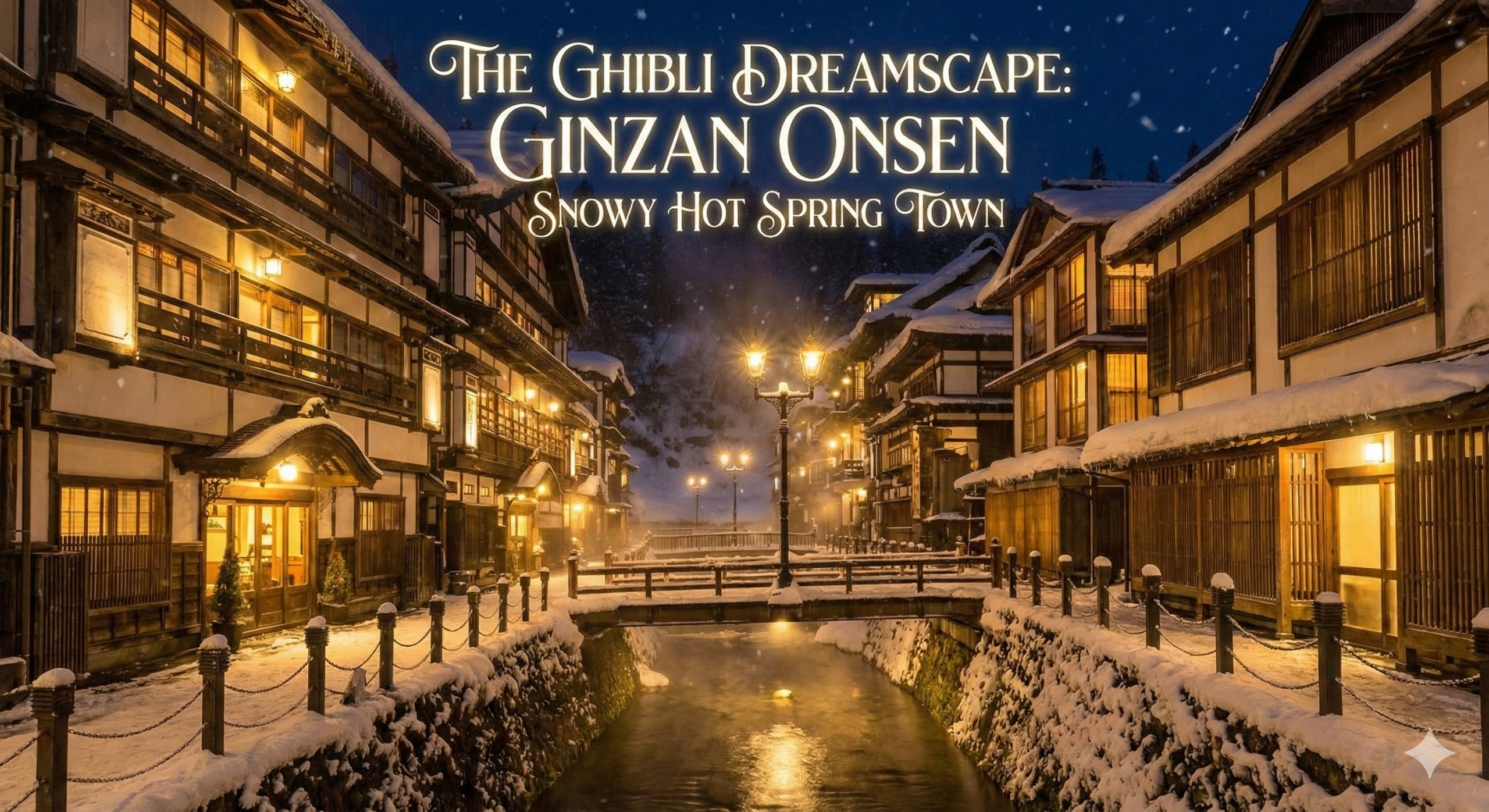
Many hot spring towns have celebrated local breweries that use pure spring waters. These make excellent stops during regional travel, combining the relaxation of hot springs with unique local beers.
Current Trends and What’s New
The Japanese beer scene continues to evolve. Here are some trends I’ve noticed:
Health-Conscious Options
Zero-sugar and low-calorie options have become increasingly popular. Kirin Ichiban Zero Sugar maintains full flavor while catering to health-conscious consumers.
Seasonal Limited Releases
Japanese breweries embrace the country’s appreciation for seasons. Quarterly rotations of seasonal beers keep things interesting, with each season bringing new flavors to discover.
Collaboration Brews
Breweries are increasingly collaborating with sake breweries, incorporating unique yeast strains and techniques from Japan’s ancient fermentation traditions. These hybrids represent the cutting edge of Japanese brewing innovation.
Sour Beers and Pastry Sours
Following global trends, Japanese craft breweries have embraced sour beers. The addition of local fruits creates unique flavor profiles you won’t find elsewhere.
Tips for Beer-Loving Visitors
If you’re planning to explore Japanese beer during your visit, here are my recommendations:
- Start with the classics: Try Asahi Super Dry and Kirin Ichiban to understand the baseline of Japanese beer style.
- Explore premium options: Yebisu Premium Ale and Suntory Premium Malt’s showcase what Japanese brewing can achieve at higher price points.
- Visit a craft beer bar: Places like DevilCraft in Tokyo offer an excellent introduction to the craft scene.
- Seek out regional specialties: When traveling outside major cities, look for local ji-biru. Each region has unique offerings.
- Pair with food: Japanese beer pairs excellently with everything from yakitori to sushi. Don’t be afraid to experiment.
- Try seasonal offerings: Limited editions are particularly popular during cherry blossom season (hanami) in spring.
- Don’t miss Okinawa’s Orion Beer: If you visit the southern islands, this tropical-tasting beer offers something different from the main islands.
The Future of Japanese Beer
Looking ahead, the Japanese beer market continues to innovate. Tax law changes scheduled for 2026 will unify beer taxation, potentially narrowing price gaps between categories and making craft beer more accessible.
The international recognition of Japanese craft beer continues to grow, with exports increasing and foreign beer enthusiasts specifically seeking out Japanese brews. Meanwhile, domestic brewers keep pushing creative boundaries while respecting traditional techniques.
What strikes me most about Japanese beer culture is its balance. Even as brewers experiment with unusual ingredients and techniques, there’s always an underlying appreciation for drinkability and balance. Japanese beer isn’t about extreme flavors or high alcohol content; it’s about creating something that enhances the moment, whether you’re enjoying a meal with friends or relaxing after a long day.
This philosophy makes Japanese beer accessible to newcomers while offering depth for enthusiasts. Whether you’re sipping a crisp lager at a sidewalk cafe in Tokyo or discovering a unique yuzu-infused IPA at a craft beer bar, you’re experiencing a brewing culture that has thoughtfully adapted foreign traditions into something distinctly Japanese.
So on your next trip to Japan, look beyond the familiar names in the convenience store cooler. Ask about local craft options, visit a brewery, and discover the incredible diversity of Japanese beer. You might find, as I did, that there’s much more to Japanese beer than you ever imagined.

Ready to explore more of Japan? Visit our comprehensive guide at Japaner Guide to discover everything you need for your Japanese adventure!