By someone who has spent years exploring Japanese culture, attended countless summer festivals across Japan, and introduced hundreds of international visitors to the magic of ramune
What is Ramune? Japan’s Beloved Marble Soda
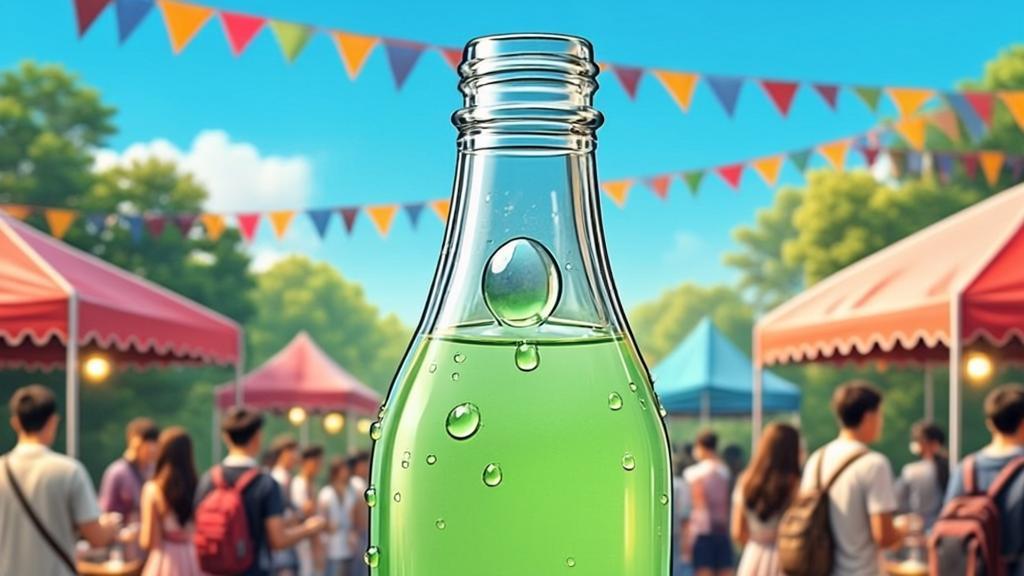
If you’ve ever wandered through a Japanese summer festival or browsed the drink aisle of an Asian grocery store, you might have spotted a peculiar glass bottle with a marble trapped inside. That’s Ramune (ラムネ), Japan’s most iconic carbonated soft drink and a cultural phenomenon that has captivated people for over 150 years.
As someone who has lived in Japan for years and experienced the joy of cracking open a cold ramune at festivals from Tokyo to Osaka, I can tell you that this isn’t just a soda—it’s an experience. The name “ramune” actually comes from the English word “lemonade,” which Japanese people adapted during the Meiji period (around 1872-1884). What started as a foreign import has become uniquely Japanese, and today Japan is the only country in the world that still maintains this distinctive marble-sealed bottle culture.
The Fascinating History of Ramune
From Western Import to Japanese Icon
Ramune was first introduced to Japan during the Meiji Restoration, a time when Japan was rapidly modernizing and embracing Western influences. The drink arrived from Europe and America as “lemonade,” but through linguistic evolution, it became “ramune.”
What makes ramune truly special is its Codd-neck bottle design, invented by Hiram Codd in 1872. This ingenious system uses a 1.5cm glass marble held in place by the carbonation pressure inside the bottle. When you open it, the marble drops into a special chamber, creating that signature “pop” sound.
During World War II, ramune was so beloved by the Japanese Navy that warships actually had equipment to produce it onboard! The drink later spread to Taiwan and Hong Kong during Japanese colonial rule after 1895, where it remains popular today.
Modern Production
Today, major manufacturers like Hata Kosen (Hatakosen) produce approximately 650,000 bottles daily and export to over 95 countries worldwide. Despite competition from global soda giants, ramune has maintained its cultural significance and continues to evoke powerful nostalgia for Japanese people of all ages.
How to Open and Drink Ramune: A Step-by-Step Guide
Opening Instructions
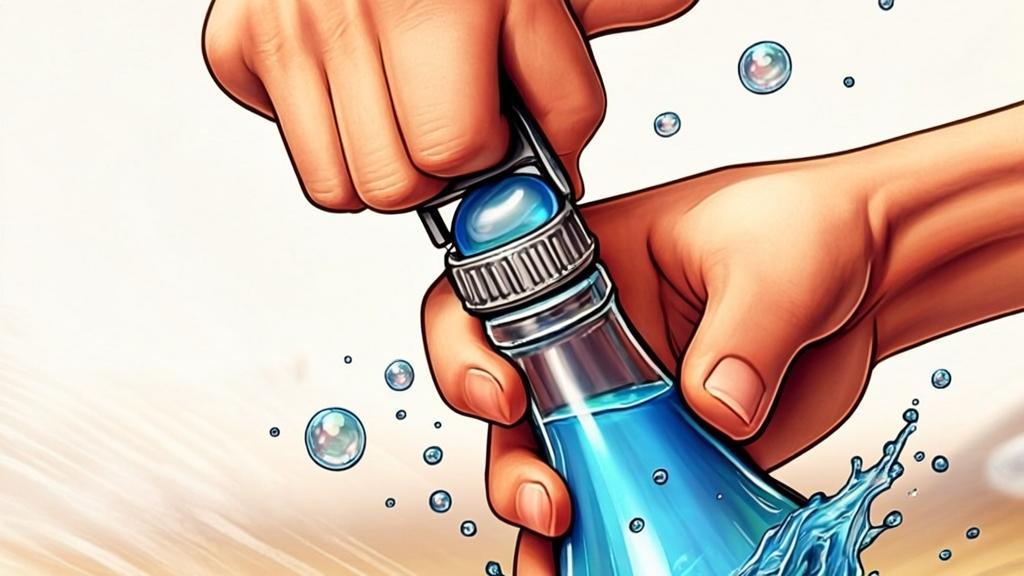
One of the most memorable aspects of ramune is the opening ritual. Here’s how to do it properly:
- Do NOT shake the bottle – This is absolutely critical! Shaking will cause the soda to spray everywhere when opened.
- Remove the plastic wrapper from the top of the bottle to expose the marble and opening.
- Locate the plastic plunger/opener attached to the bottle (it’s usually green and sits on top).
- Place the plunger centered on top of the glass marble, making sure it’s positioned correctly.
- Press down firmly until you hear a satisfying “pop” sound – the marble will fall into the bottle.
- Hold the marble down for a few seconds after opening to prevent any spray.
The Drinking Technique
Here’s where it gets interesting. The marble can block the bottle opening when you tilt your head back to drink. The solution? The bottleneck has two small indentations (dimples) designed specifically to hold the marble in place. Simply tilt the bottle so the marble settles into one of these dimples, and you can drink freely.
This interactive element makes drinking ramune fun and memorable – something I’ve seen delight first-timers again and again during my time showing visitors around Japan.
Safety Tips
- Never point the bottle opening toward your face or eyes when opening
- Children should drink under adult supervision
- Don’t shake the bottle before or after opening
Popular Ramune Flavors You Must Try
Classic Flavors
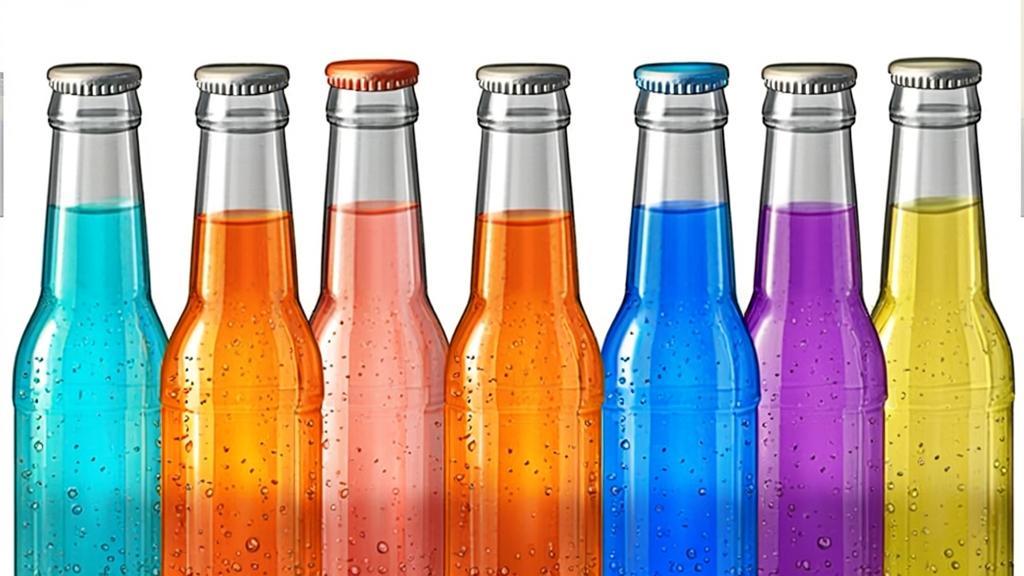
While the original lemon-lime flavor remains the most popular and widely available, ramune now comes in an incredible variety of flavors:
Fruit Flavors:
- Strawberry – Sweet and fruity, popular with kids
- Lychee – Highly popular with a delicate tropical taste
- Melon – Refreshing and sweet, reminiscent of Japanese melon soda
- Grape – Rich purple color with classic grape flavor
- Orange – Bright and citrusy
- Blueberry – A newer addition with antioxidant appeal
- White Peach – Elegant and distinctly Japanese
Major Brands
- Sangaria – Known for strawberry and lychee flavors
- Hata (Hatakosen) – Offers the widest variety including seasonal flavors
- Shirakiku – Classic lychee flavor popular internationally
Bottle Sizes
- 200ml – The most common glass bottle size
- 330ml – Available in cans for convenience
- 500ml – Larger bottle versions for sharing
Where to Buy Ramune
In Japan
If you’re visiting Japan, ramune is everywhere during summer:
- Summer festivals (matsuri) – The most authentic experience
- Don Quijote – Discount stores with many flavor options
- Convenience stores (7-Eleven, Lawson, FamilyMart) – Seasonal availability
- Vending machines – Especially in tourist areas
- Supermarkets – Year-round selection
Price in Japan: Approximately 100-150 JPY ($0.70-$1.00 USD)
Outside Japan
- Asian supermarkets and Japanese grocery stores in major cities
- Online retailers like Weee!, Amazon, and specialty Japanese food sites
- Japanese restaurants sometimes sell ramune (typically $3-5 per bottle)
- Wholesale on Alibaba for bulk purchases ($0.80-$1.66 per bottle)
Ramune in Japanese Culture: Summer Festivals and Anime
The Symbol of Japanese Summer
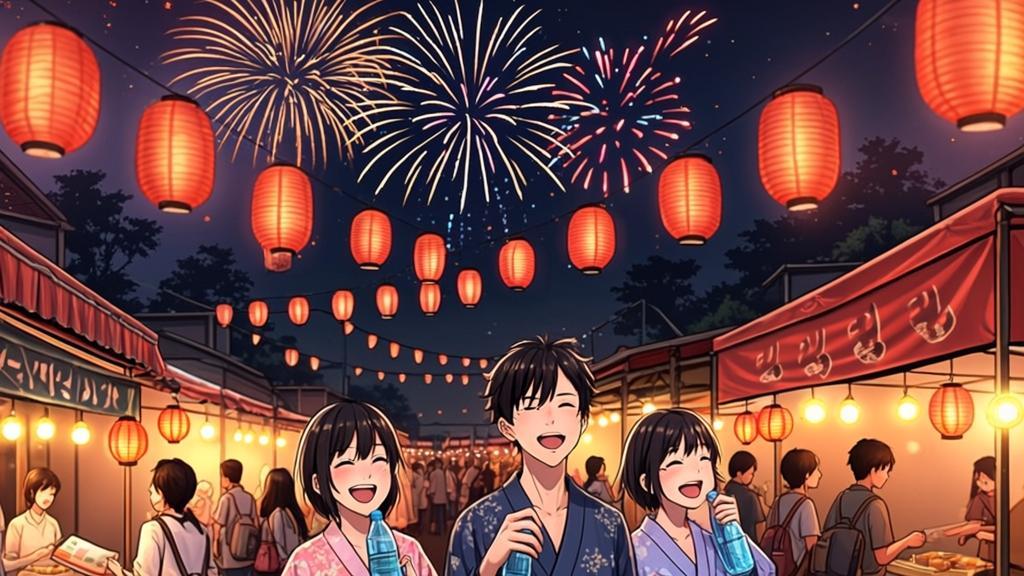
When Japanese people think of summer, they think of ramune. Over 90% of Japanese people would name ramune as the drink that best represents Japanese summer. It’s consistently ranked as the #1 item at festival food stalls (yatai).
The experience of wearing a yukata (light cotton kimono), walking through a summer festival with fireworks in the background, and sipping ramune while the marble clinks against the glass – this is the quintessential Japanese summer memory.
Ramune in Anime and Manga
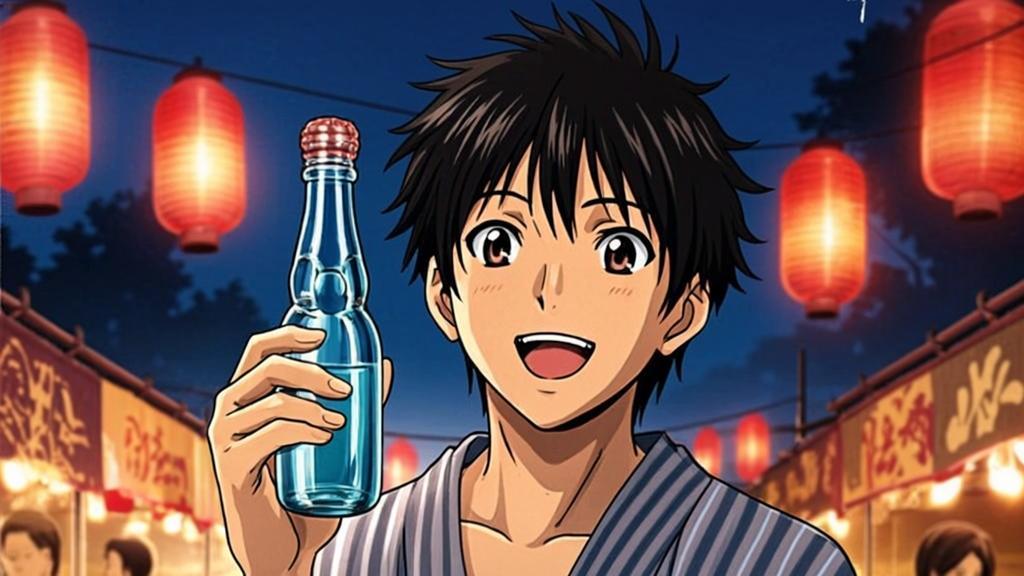
If you watch anime, you’ve definitely seen ramune. It appears frequently because:
- Summer festivals are perfect settings for character development and romance scenes
- Cultural authenticity – Including ramune adds realistic Japanese elements
- Sensory appeal – The sound of the marble evokes refreshing summer feelings
Notable examples include the anime “Lamune” (2005) which uses the drink as a central symbol, and countless slice-of-life anime where characters bond over ramune at festivals.
Fun Facts About Ramune
- The “ramune color” (a clear, light blue-green) is used in Japanese to describe summer skies and ocean scenes
- Morinaga makes ramune-flavored candy (fizzy popping candy) available year-round
- McDonald’s Japan created a ramune-flavored milkshake collaboration
- The marble inside can be collected – many Japanese children kept them as toys after finishing the drink
- Ramune was considered a luxury item in the early Meiji period, costing a day’s wages for a laborer
Conclusion: Why You Should Try Ramune
Ramune is more than just a soda – it’s a window into Japanese culture, history, and the nostalgic charm of summer festivals. Whether you’re planning a trip to Japan or simply want to experience a piece of Japanese culture at home, opening your first ramune bottle is an unforgettable experience.
The combination of the unique marble mechanism, the refreshing lemon-lime taste, and the rich cultural heritage makes ramune a must-try for anyone interested in Japan. Trust me, once you hear that satisfying “pop” and taste the fizzy goodness, you’ll understand why this drink has remained beloved for over a century.
Ready to explore more of Japanese culture?
Discover Japan with our comprehensive guides and travel tips!