A Masterclass in Crab, Jingisukan, and the Richness of the Snow Country
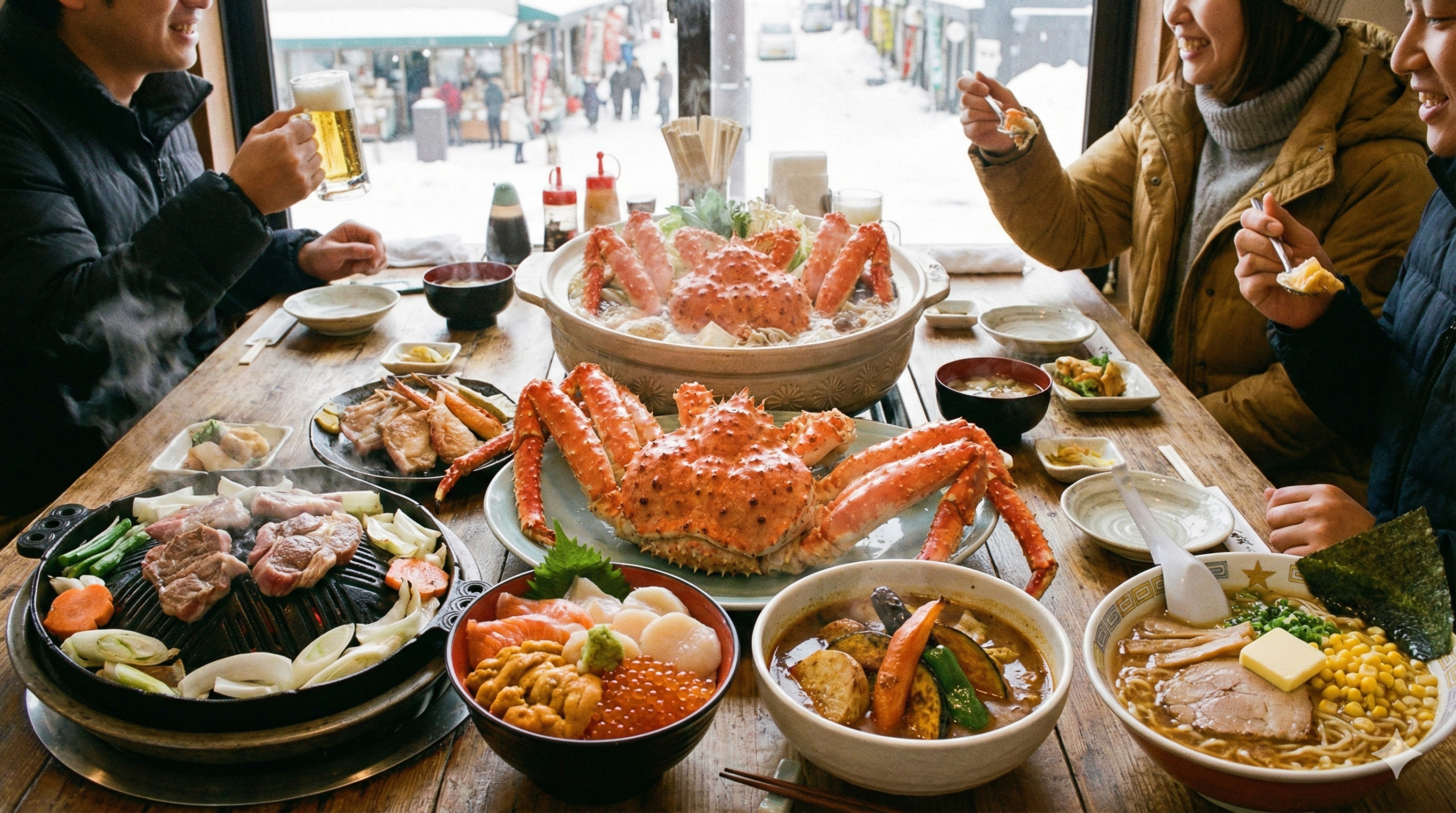
For the gourmet traveler, winter in Hokkaido is the ultimate season. The cold waters of the Sea of Okhotsk and the Pacific Ocean produce the world’s most prized seafood, while the snowy pastures provide rich dairy and succulent meats. Hokkaido winter food is defined by “freshness and fat”—ingredients that have developed layers of richness to survive the sub-zero temperatures. From the bustling Nijo Market in Sapporo to the remote crab ports of the north, the Hokkaido winter table is a celebration of the earth’s generosity.
Part I: The Three Kings of Crab
Hokkaido is synonymous with crab (Kani). In winter, three varieties dominate the menu:
- Taraba-gani (King Crab): The massive, meaty legs are best enjoyed grilled over charcoal or boiled in a simple saltwater broth.
- Zuwaigani (Snow Crab): Known for its sweet, delicate meat, it is the star of “Kani Suki” hot pots.
- Kegani (Horsehair Crab): Smaller but highly prized for its rich “Kani-miso” (crab innards), which is often mixed with sake and enjoyed as a high-end delicacy.
Part II: The Meat and Hearty Fare
- Jingisukan (Genghis Khan): Hokkaido’s soul food. This is grilled lamb or mutton cooked on a dome-shaped skillet with plenty of onions, cabbage, and sprouts. It is a social, high-energy meal that is perfect for a snowy night.
- Soup Curry: A Sapporo original. Unlike the thick curry of the south, this is a spicy, herbal broth filled with chunky, roasted Hokkaido vegetables and a whole chicken leg.
| Dish | Key Ingredient | Why in Winter? |
| Kaisendon | Sea Urchin, Scallops | Winter seafood has the highest fat content and sweetness. |
| Ishikari Nabe | Salmon and Miso | A traditional fisherman’s stew designed to warm the core. |
| Sapporo Ramen | Butter and Corn | The added fat from the butter helps keep the soup hot in the cold. |
Part III: Tactical Strategy for the Hokkaido Gourmet
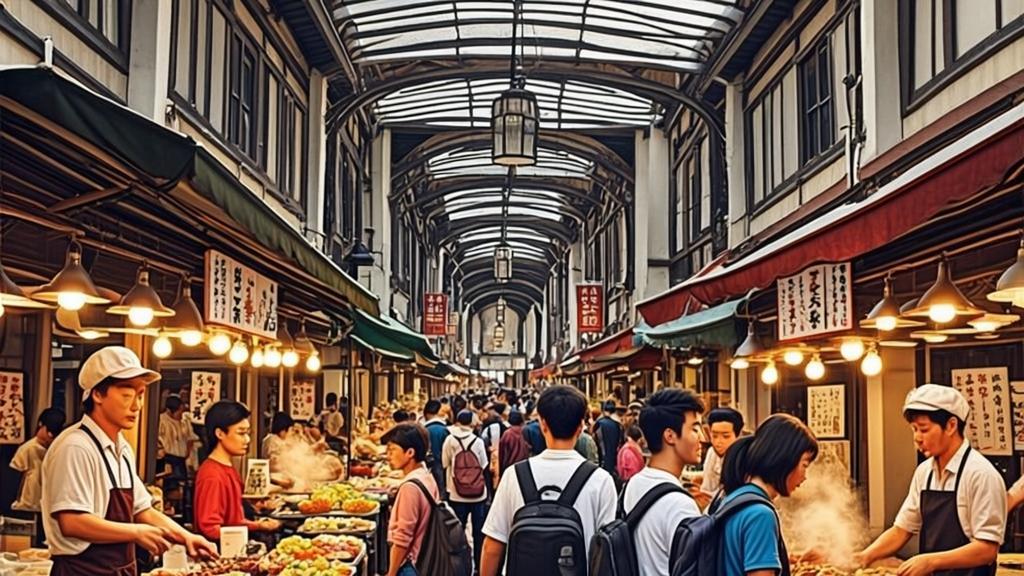
- Nijo Market vs. Curb Market: For the best value, head to the “Curb Market” (Jogai Ichiba) near the central wholesale market. It is where the locals buy their seafood.
- The “Ramen Alley” Secret: In Sapporo’s Susukino district, “Ganso Sapporo Ramen Yokocho” is a narrow alley with dozens of shops. Look for the one with the shortest line; the quality is consistently high across the board.
- Reservations: High-end crab specialty restaurants like “Kani-shogun” require reservations weeks in advance during the peak winter months.
Summary: The Ultimate Winter Feast
Hokkaido’s winter cuisine is a reflection of its rugged environment. It is a diet of warmth, energy, and unparalleled quality that makes the cold northern winters not just bearable, but deeply enjoyable.
To find the most authentic “hidden” Jingisukan shops or to ensure you are buying the freshest, non-tourist-priced crab at the markets, consider Japaner. Japaner matches you with professional, human interpreter-guides living in Japan who are experts in Hokkaido’s culinary scene. A guide from Japaner can lead you to the best seafood stalls, translate the complex “parts” of the crab for you, and ensure your winter dining experience is a world-class gastronomic journey.
Make your Japan trip exciting with 『Japaner Guide』
Japaner Guide is a personal guide matching service that connects you with local guides to explore destinations across Japan.

Even if you’re traveling alone and feeling unsure, you can enjoy Japan with confidence and peace of mind👍

From famous tourist attractions to hidden local gems, we customize your journey to perfectly match your interests!

👇 Sign up here 👇
https://japaner-guide.com/
Make your trip to Japan more fun and meaningful!