South of the bustling cities of Osaka and Kyoto lies the Kii Peninsula, a rugged region of deep forests, precipitous mountains, and spiritual sanctity. Wakayama Prefecture is home to some of Japan’s most profound religious sites, collectively designated as the UNESCO World Heritage site “Sacred Sites and Pilgrimage Routes in the Kii Mountain Range.” It is a place where nature and divinity are inextricably linked.
Koyasan: A Night at a Temple
Mount Koya (Koyasan) is the center of Shingon Buddhism, founded by the monk Kobo Daishi in 816. It is a secluded temple town located in a basin atop a mountain.
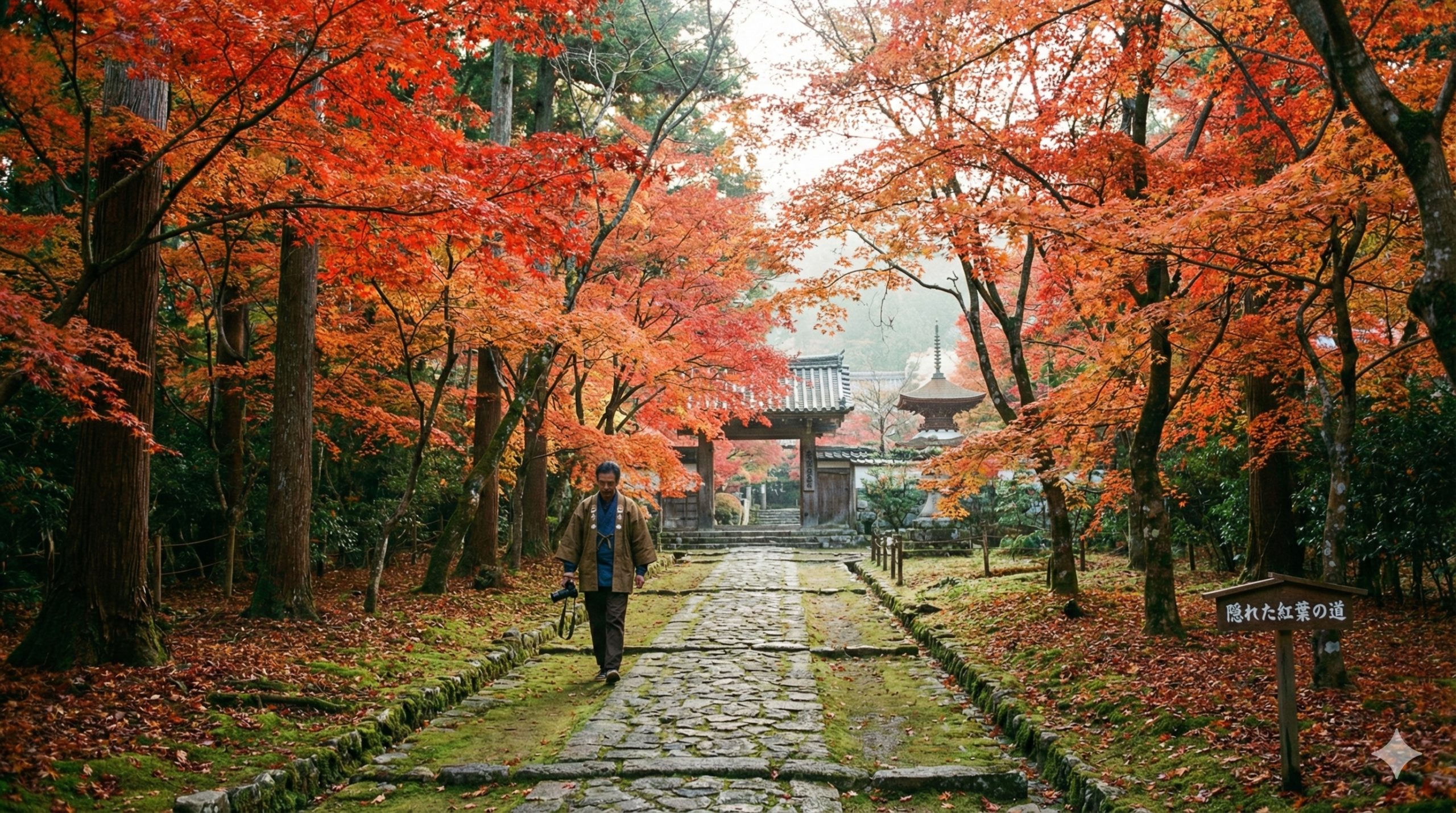
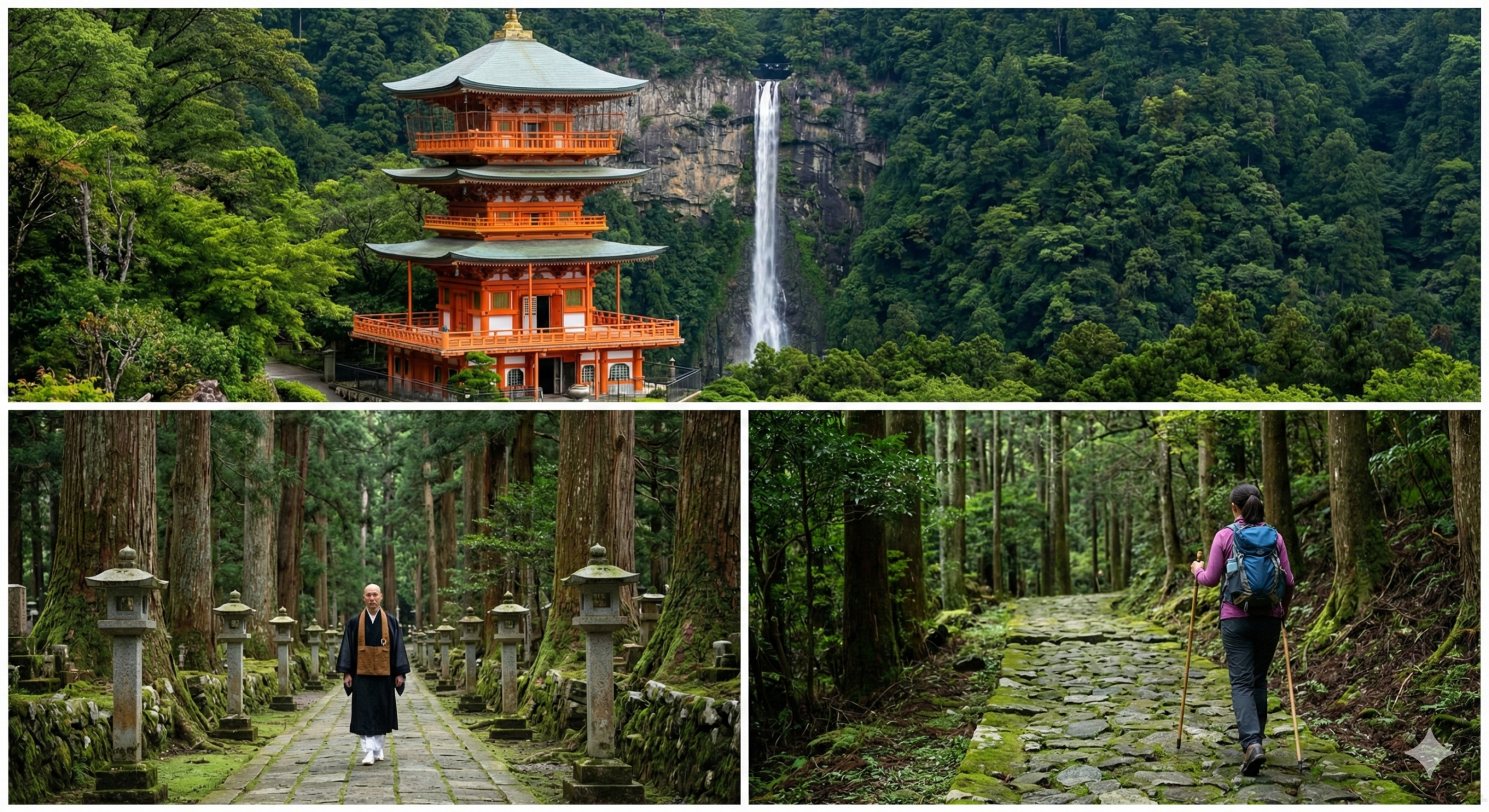
- Okunoin: The most sacred site on the mountain is Okunoin, the mausoleum of Kobo Daishi. The path leading to it stretches for 2 kilometers through a forest of towering, centuries-old cedar trees, lined with over 200,000 moss-covered tombstones of feudal lords, monks, and commoners. Walking here in the early morning mist is an ethereal experience.
- Shukubo (Temple Lodging): The essential Koyasan experience is staying overnight at one of the 50+ temples that offer Shukubo. Guests stay in traditional tatami rooms, eat Shojin Ryori (exquisite vegetarian Buddhist cuisine), and are invited to participate in the morning prayer service (Otsutome) with the monks.
The Kumano Kodo: Walking with the Gods
The Kumano Kodo is a network of ancient pilgrimage trails that crisscross the Kii Peninsula. For over a 1,000 years, everyone from retired emperors to peasants walked these difficult mountain paths to worship at the Kumano Sanzan (the Three Grand Shrines of Kumano).
- Kumano Nachi Taisha: The most iconic view in Wakayama is found here. The vibrant vermilion three-story pagoda of the temple stands in stunning contrast against the backdrop of Nachi Falls, Japan’s tallest single-tiered waterfall (133 meters). The waterfall itself is worshipped as a deity.
- The Experience: Hiking a section of the trail, such as the mossy, stone-paved Daimon-zaka slope lined with massive cedar trees, allows you to literally walk in the footsteps of history.
Unique Hot Springs
Wakayama’s volcanic nature offers some wild bathing experiences.
- Kawayu Onsen: Here, hot spring water bubbles up from the riverbed. In winter, a massive section of the river is blocked off to create the “Sennin-buro” (Giant River Bath). In other seasons, you can grab a shovel and dig your own private hot spring bath right in the riverbank gravel.
- Shirahama: A famous resort town known for its pristine white sand beach and the Saki-no-yu onsen, an ancient open-air bath located right on the rocky coast where waves crash just meters from the tub.
Local Flavors
- Wakayama Ramen: Often called “Chuka Soba” locally, it features a rich pork-bone soy sauce broth (tonkotsu-shoyu).
- Fruit Kingdom: Wakayama is Japan’s top producer of Mikan (mandarin oranges) and Ume (plums), used to make the famous Umeshu (plum wine).
Whether you are seeking spiritual enlightenment in a mountain monastery or the raw power of nature at a thunderous waterfall, Wakayama offers a journey into the deep, mystical heart of Japan.
Make your Japan trip exciting with 『Japaner Guide』

Japaner Guide is a personal guide matching service that connects you with local guides to explore destinations across Japan.

Even if you’re traveling alone and feeling unsure, you can enjoy Japan with confidence and peace of mind👍

From famous tourist attractions to hidden local gems, we customize your journey to perfectly match your interests!

👇 Sign up here 👇
https://japaner-guide.com/
Make your trip to Japan more fun and meaningful!