Situated in the western part of Honshu, Hiroshima Prefecture is a destination that resonates deeply with visitors from around the world. It is a place of profound emotional contrast—home to the tragic history of the atomic bomb and the breathtaking beauty of one of Japan’s most scenic islands. A visit here is a journey through resilience, peace, and spiritual wonder.
Hiroshima Peace Memorial Park
For many, the primary reason to visit is to pay respects at the Hiroshima Peace Memorial Park. Located at the epicenter of the atomic blast that occurred on August 6, 1945, this vast park is dedicated to the legacy of Hiroshima as the first city in the world to suffer a nuclear attack and to the memory of the victims.
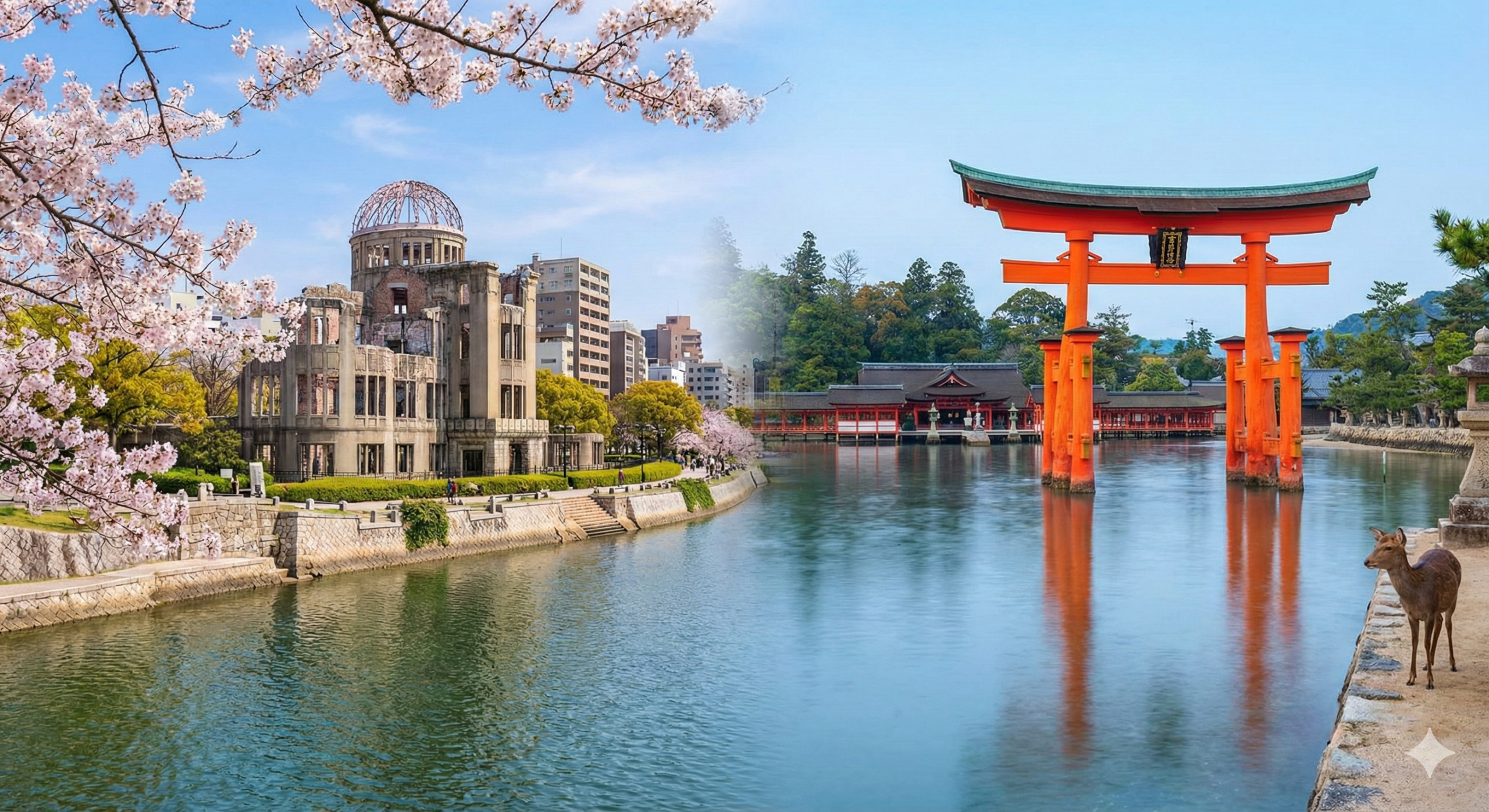
- The Atomic Bomb Dome (Genbaku Dome): This skeletal ruin is the most powerful symbol of the devastation. Formerly the Industrial Promotion Hall, it was one of the few buildings near the hypocenter left standing. It has been preserved exactly as it was after the blast, serving as a stark reminder of the destructive power of war and a beacon for world peace.
- The Peace Memorial Museum: A visit here is harrowing but essential. The museum documents the events of the bombing and the suffering that followed through personal artifacts, photos, and survivor testimonies. It is a deeply moving experience that leaves a lasting impact on every visitor.
Miyajima: The Island of Gods
Just a short train and ferry ride from the city center lies Miyajima (officially Itsukushima). Historically considered so sacred that commoners were not allowed to set foot on it, the island is famous for its tame deer that roam freely and its stunning waterfront shrine.
- Itsukushima Shrine: Built over the water on pillars, this UNESCO World Heritage site appears to float on the sea at high tide. The shrine’s vermilion corridors connected by boardwalks are a marvel of 12th-century architecture.
- The Great Torii Gate: The undisputed icon of Miyajima is the massive orange Torii gate standing in the ocean. At high tide, it seems to float miraculously. At low tide, the water recedes completely, allowing you to walk out across the sand and touch the massive cedar pillars of the gate—a truly unique experience.
Hiroshima Soul Food
Hiroshima has a rich culinary culture that is distinct from its neighbor, Osaka.
- Hiroshima-style Okonomiyaki: Unlike the Osaka style where ingredients are mixed together, the Hiroshima version is layered. Batter, cabbage, pork, and other toppings are stacked, and crucially, it includes a layer of yakisoba noodles and a fried egg, making it a hearty, savory meal.
- Oysters: Hiroshima is the largest producer of oysters in Japan. In winter, you can enjoy them fresh, grilled, or deep-fried (kaki-fry) at huts along the coast or on Miyajima island.
- Momiji Manju: A maple-leaf-shaped cake filled with sweet red bean paste (or custard, chocolate, cheese) is the classic souvenir from Miyajima.
From the solemn prayers for peace to the mystical beauty of the floating shrine, Hiroshima offers a travel experience that touches both the heart and the soul.
Make your Japan trip exciting with 『Japaner Guide』
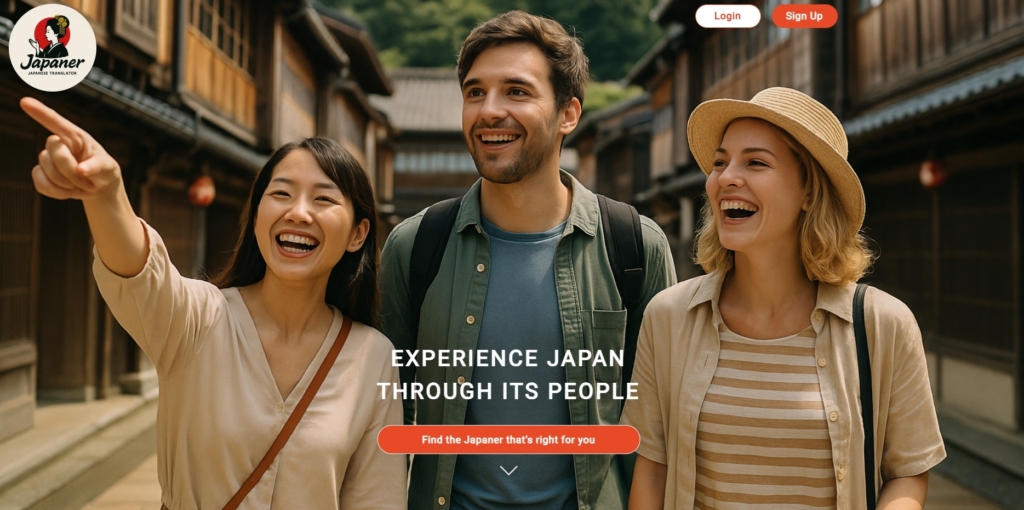
Japaner Guide is a personal guide matching service that connects you with local guides to explore destinations across Japan.

Even if you’re traveling alone and feeling unsure, you can enjoy Japan with confidence and peace of mind👍

From famous tourist attractions to hidden local gems, we customize your journey to perfectly match your interests!

👇 Sign up here 👇
https://japaner-guide.com/
Make your trip to Japan more fun and meaningful!