For over a millennium, from 794 to 1868, Kyoto was the imperial capital of Japan. It is the spiritual and cultural heart of the nation, a city where the past is not just preserved but lived. With 17 UNESCO World Heritage Sites and over 2,000 temples and shrines, Kyoto offers an overwhelming abundance of history, beauty, and tradition.
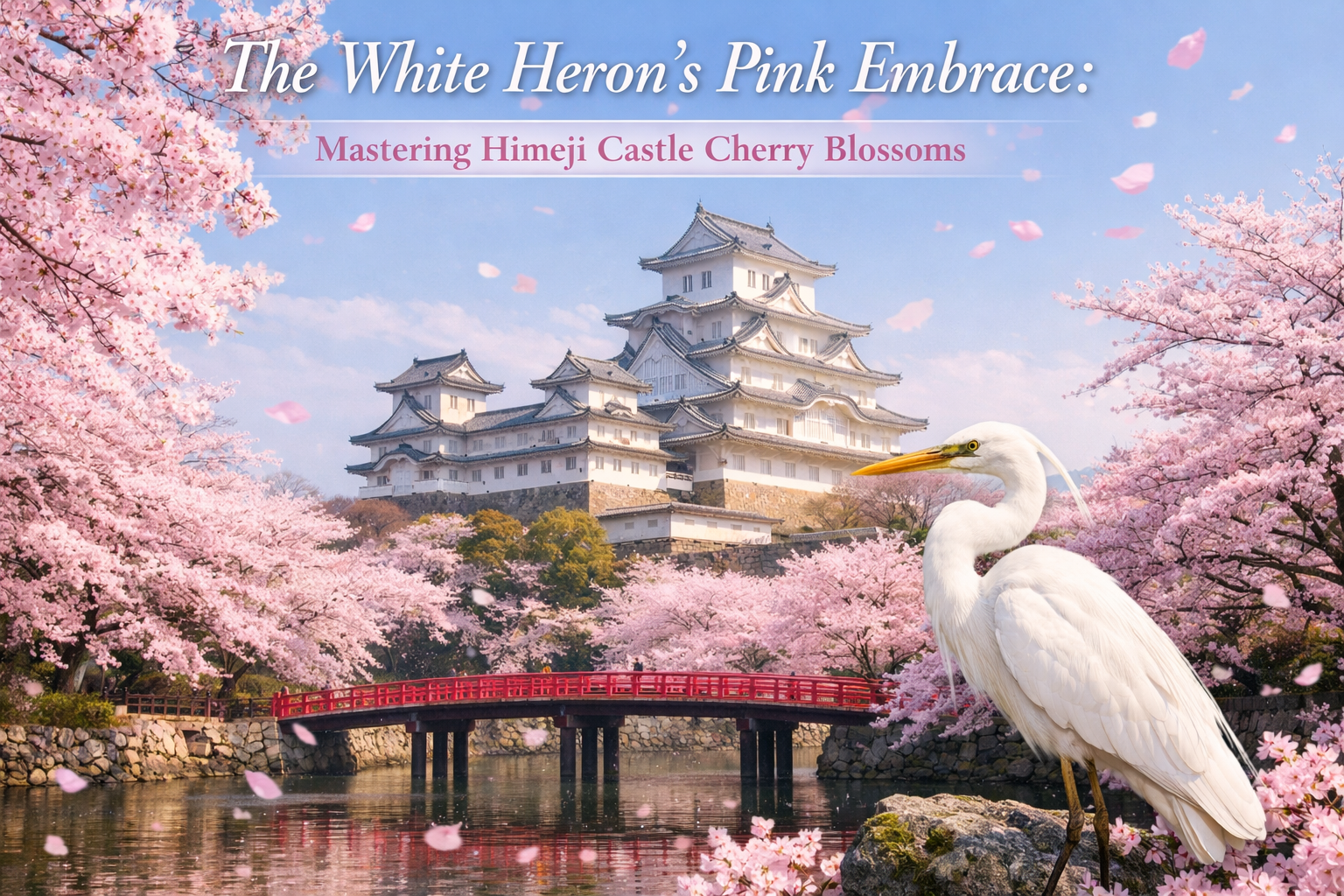
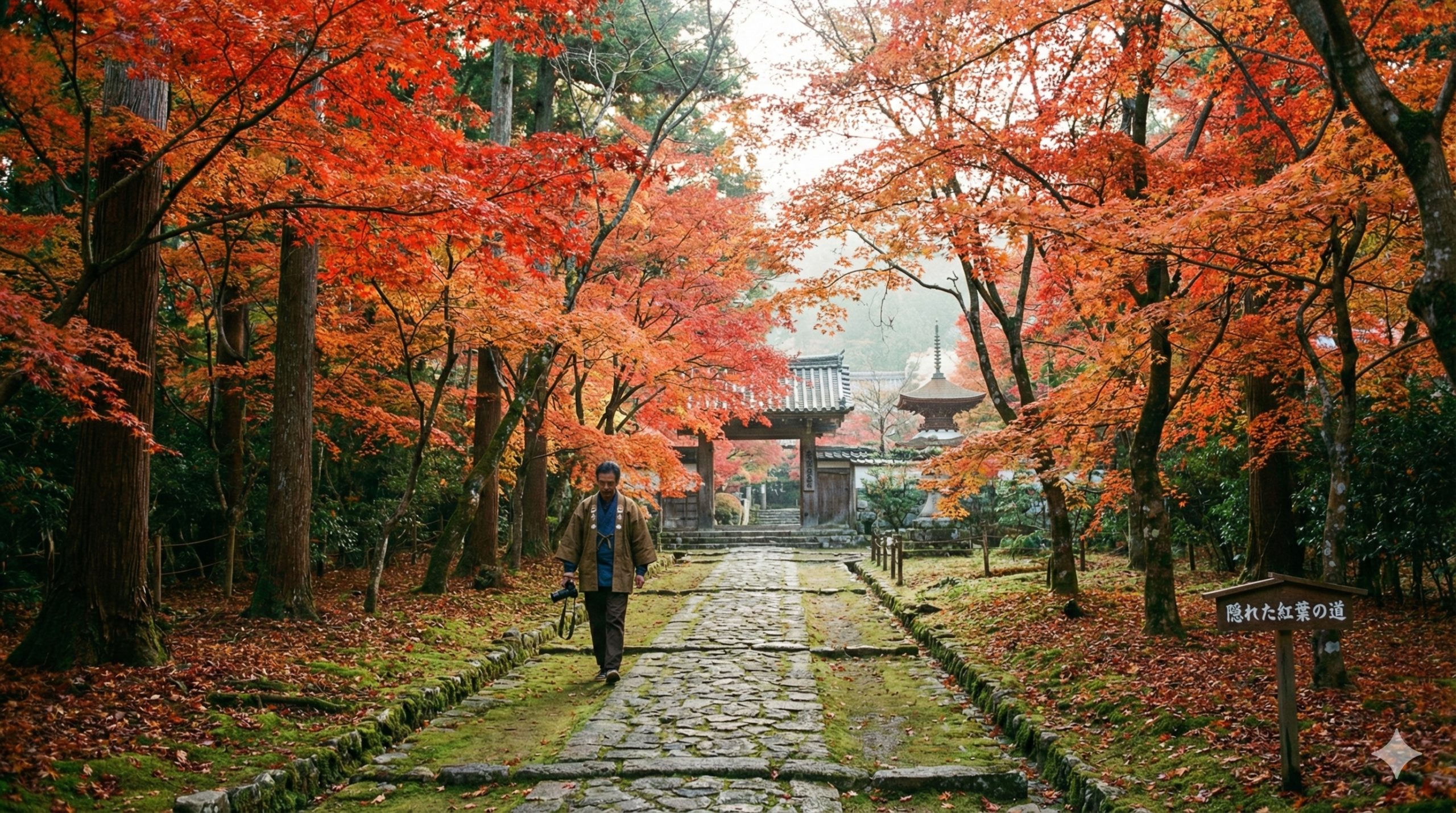
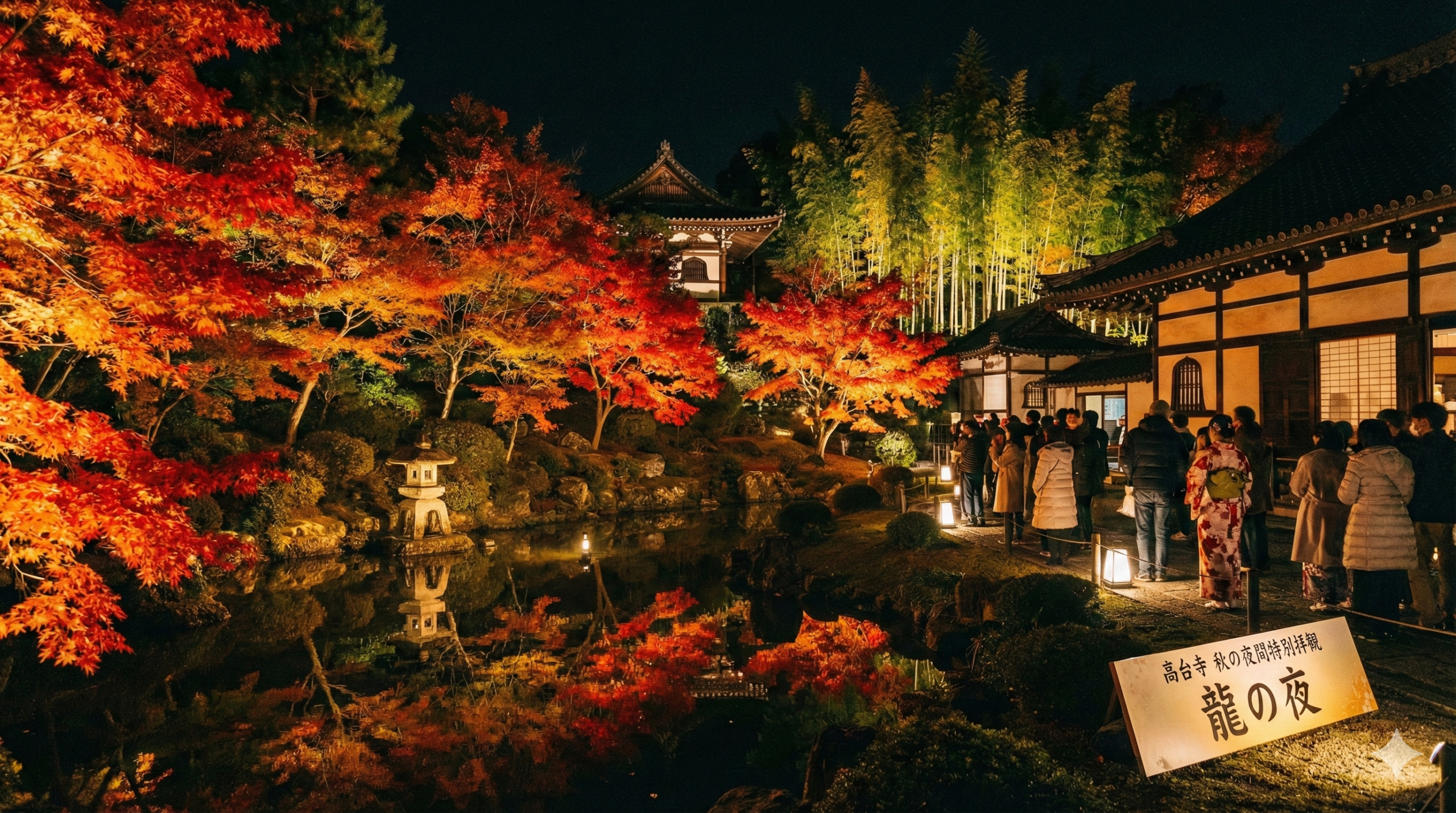
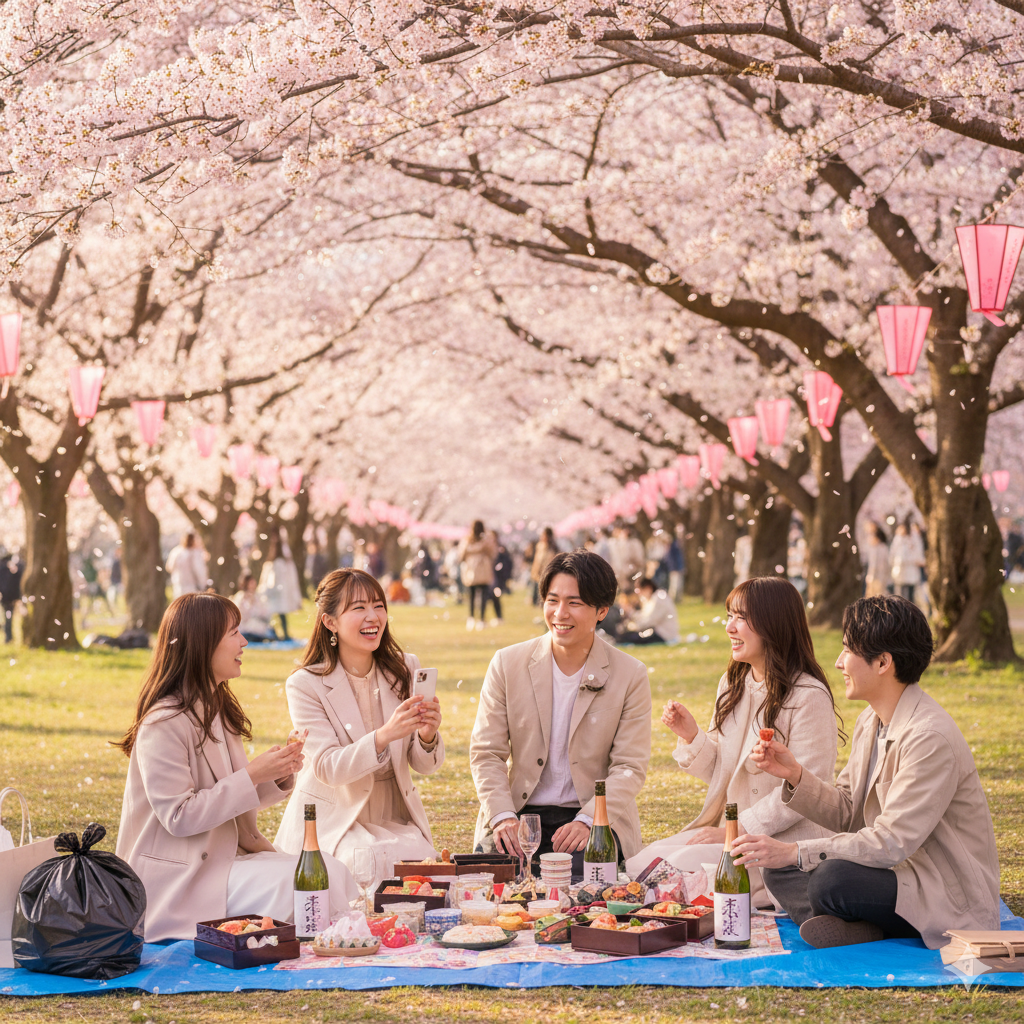
It is a place of seasons, where the landscape transforms from the pink of cherry blossoms to the fiery red of autumn maples, framing ancient wooden structures in breathtaking colors.
Fushimi Inari Taisha: The Path of 10,000 Gates
Perhaps the most globally recognized symbol of Kyoto is Fushimi Inari Taisha.
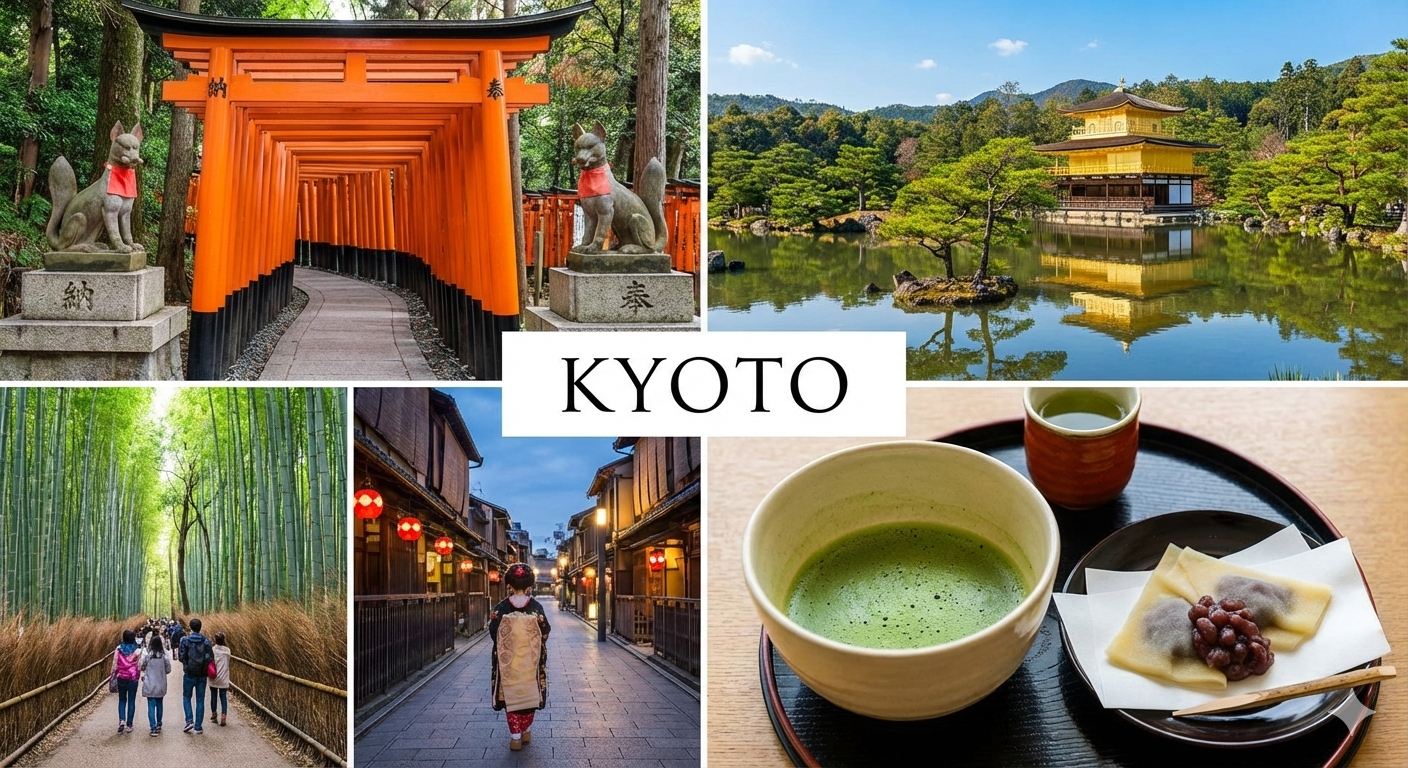
- Senbon Torii: The shrine is famous for its “Senbon Torii” (Thousands of Torii Gates). These vermilion gates form a tunnel that winds up the sacred Mount Inari. Walking through this corridor of light and shadow is a mystical experience.
- The Fox Guardians: You will see countless stone fox statues holding keys or scrolls in their mouths. Foxes are considered the messengers of Inari, the god of rice and business prosperity.
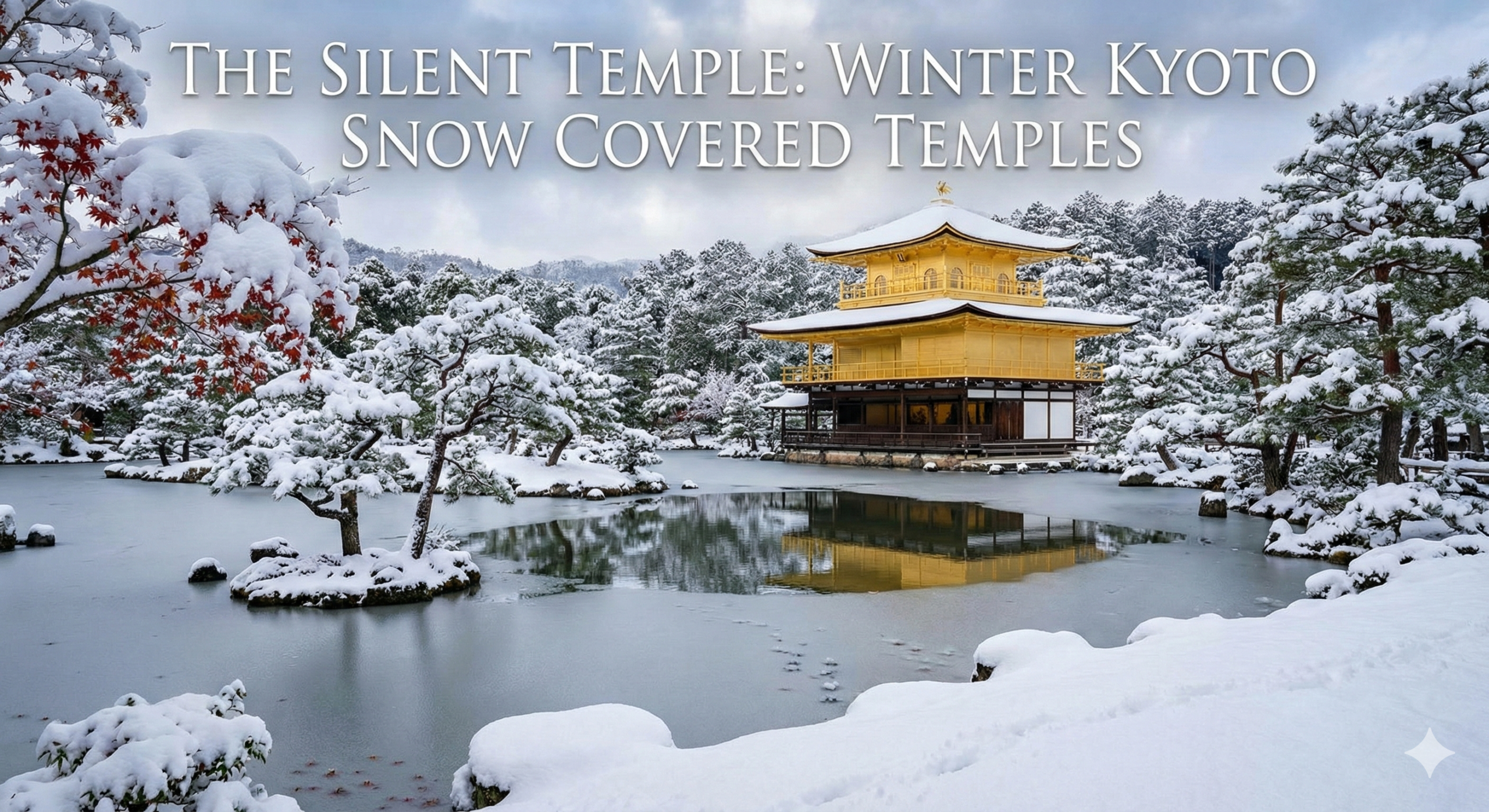
Kinkaku-ji: The Golden Pavilion
Kinkaku-ji is a Zen temple that looks almost too beautiful to be real.
- The Golden Reflection: The top two floors of the pavilion are completely covered in brilliant gold leaf. On a calm day, the shining temple is perfectly reflected in the “Mirror Pond” (Kyoko-chi) below, creating a dazzling double image.
- Phoenix: A golden phoenix stands atop the roof, symbolizing rebirth and favor—fitting for a temple that has been burned down and rebuilt multiple times in its history.
Kiyomizu-dera: The Stage of Resolve
Perched on the side of a mountain in the eastern hills, Kiyomizu-dera offers one of the best views in the city.
- The Wooden Stage: The main hall features a massive wooden veranda that juts out 13 meters above the hillside. Amazingly, this structure was built without using a single nail. The phrase “jumping off the stage of Kiyomizu” is the Japanese equivalent of “taking a leap of faith.”
- Otowa Waterfall: Below the stage, three streams of water fall into a pond. Visitors use long-handled cups to drink from them; each stream is said to grant a different benefit: longevity, success at school, or a fortunate love life.
Arashiyama: The Sound of Bamboo
On the western outskirts of the city lies Arashiyama, a district beloved by nobles since the Heian period.
- Bamboo Grove: Walking through the soaring stalks of the Arashiyama Bamboo Grove is an auditory experience as much as a visual one. The rustling of the bamboo leaves in the wind is classified as one of the “100 Soundscapes of Japan.”
- Togetsukyo Bridge: The “Moon Crossing Bridge” is the landmark of the area, offering stunning views of the Katsura River against the backdrop of the mountains, which turn vivid red and orange in autumn.
Gion: The Floating World of Geisha
Gion is Kyoto’s most famous entertainment district and the center of Geisha (known as Geiko in Kyoto) culture.
- Hanami-koji: This street is lined with preserved machiya (traditional wooden townhouses), many of which are exclusive teahouses (ochaya). If you are lucky, you might spot a Geiko or Maiko (apprentice) in full kimono and white makeup hurrying to an appointment in the evening.
- Yasaka Shrine: At the end of the main street stands this vibrant shrine, which hosts the massive Gion Matsuri festival in July, transforming the city into a month-long celebration.
The Taste of Tradition: Matcha and Kaiseki
Kyoto’s food culture is refined and subtle.
- Matcha: Being close to Uji, the premier tea-growing region, Kyoto is obsessed with green tea. You can enjoy authentic Matcha in a quiet temple garden, or indulge in modern treats like Matcha Parfaits and Matcha Tiramisu.
- Yatsuhashi: The classic souvenir is Yatsuhashi, a cinnamon-flavored rice flour dough. The raw version (Nama-Yatsuhashi) is a soft triangle filled with sweet red bean paste.
- Kaiseki Ryori: For the ultimate dining experience, try Kaiseki, a traditional multi-course meal that emphasizes seasonal ingredients and artistic presentation.
From the silent zen of the rock gardens to the bustling streets of Gion, Kyoto is a city that demands to be savored slowly, offering a glimpse into the soul of traditional Japan.
Make your Japan trip exciting with 『Japaner Guide』

Japaner Guide is a personal guide matching service that connects you with local guides to explore destinations across Japan.

Even if you’re traveling alone and feeling unsure, you can enjoy Japan with confidence and peace of mind👍

From famous tourist attractions to hidden local gems, we customize your journey to perfectly match your interests!

👇 Sign up here 👇
https://japaner-guide.com/
Make your trip to Japan more fun and meaningful!