Why Dotonbori and Shinsaibashi Are Osaka’s Must-Visit Downtown
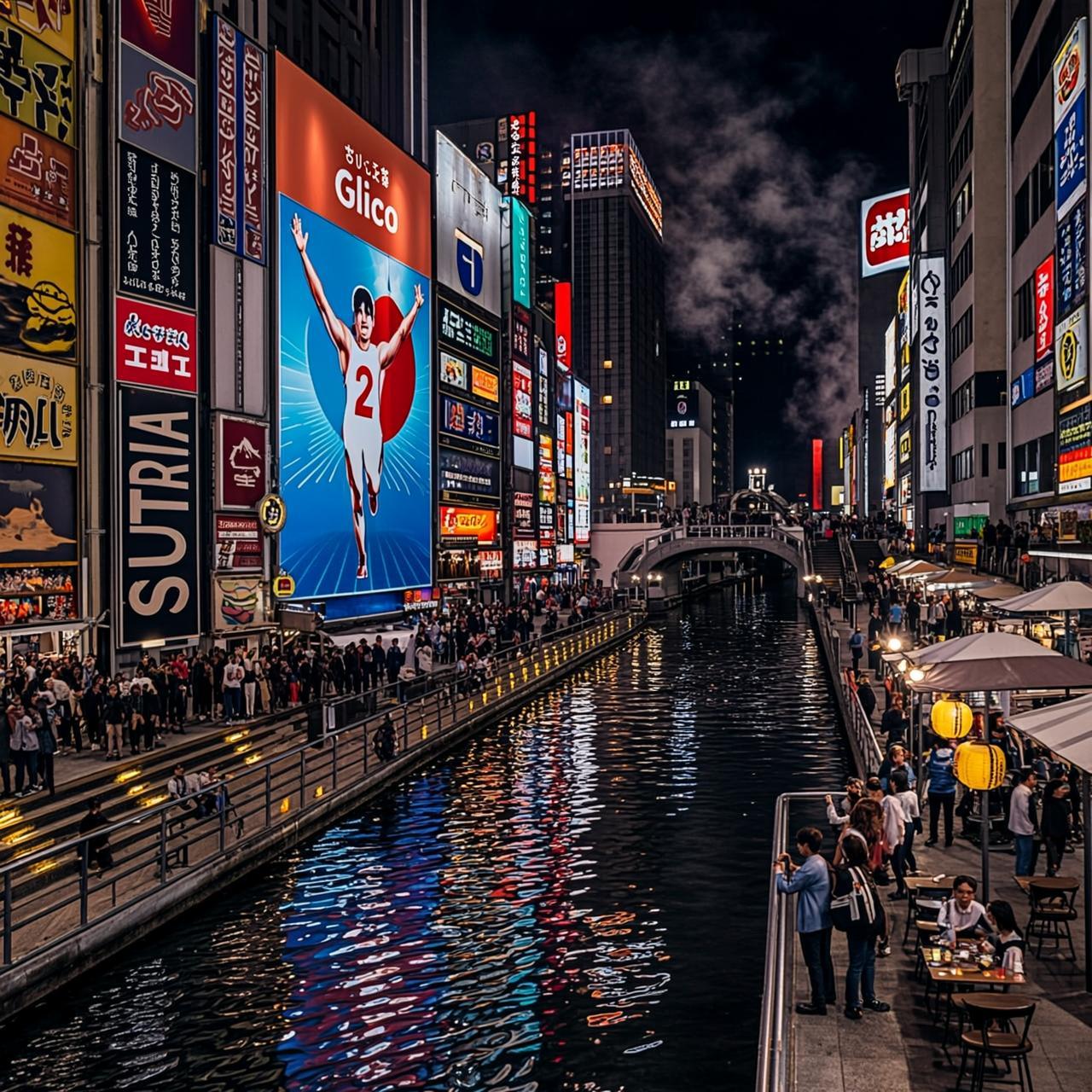
Picture this: neon lights reflecting off a canal, giant mechanical crabs waving at you, and the smell of sizzling takoyaki filling the air. Welcome to Dotonbori — Osaka’s electric entertainment district and one of Japan’s most iconic nightscapes.
Right next door, Shinsaibashi offers nearly 600 meters of covered shopping arcade, connecting you from the subway station straight to the heart of the action. Together, these two neighborhoods form the beating heart of downtown Osaka, where the city comes to shop, eat, and play.
This guide covers everything you need: famous photo spots, where to eat the best takoyaki and okonomiyaki, shopping tips, and practical information like hours and budgets. Let’s dive into Osaka’s liveliest district.
Dotonbori: Osaka’s Neon Playground
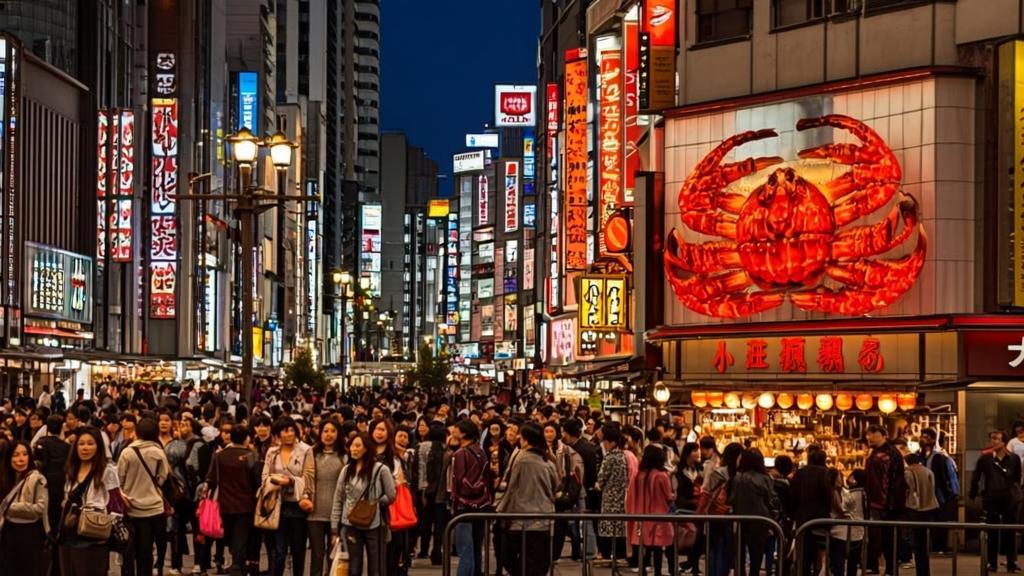
Dotonbori has been Osaka’s entertainment hub for over 400 years. Originally a theater district in the Edo period, today it’s a sensory overload of giant billboards, restaurants, and street food stalls lining a historic canal.
Must-See Spots in Dotonbori
The Glico Running Man — The most famous photo spot in Osaka. This giant neon billboard of a runner crossing the finish line has been an Osaka landmark since 1935. Head to Ebisubashi Bridge for the classic shot. Best time: after sunset when the neon lights up.
Giant Moving Crab — The enormous mechanical crab billboard near the bridge is impossible to miss. This iconic sign has been drawing crowds since 1960 and makes for a classic Osaka photo.
Kuidaore Taro — The drum-beating clown mascot has been entertaining visitors for over 50 years. This 6-meter tall character represents Osaka’s love of food (kuidaore literally means “eat until you drop”).
Street Food in Dotonbori
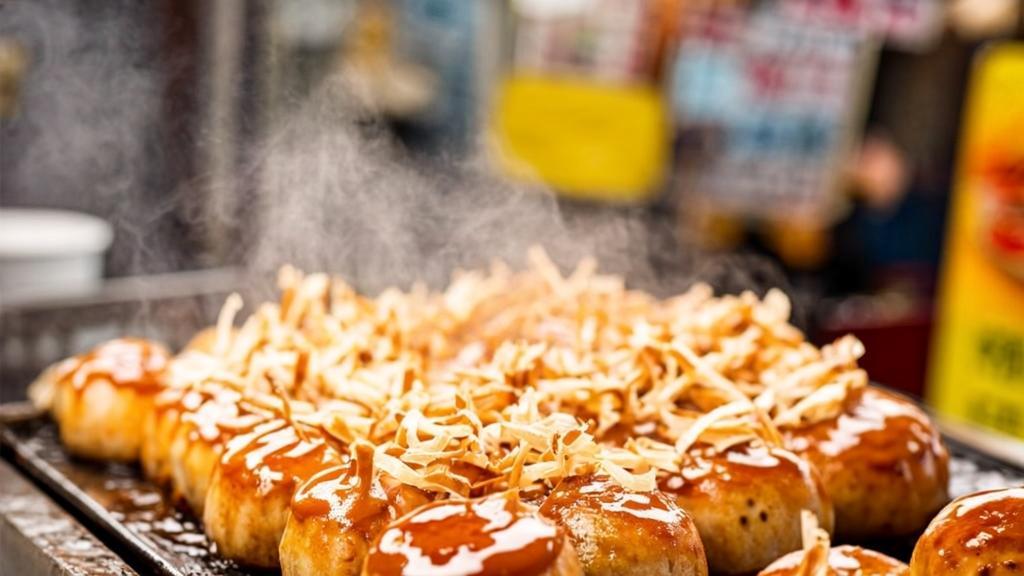
Dotonbori is street food heaven. Here’s what to try:
- Takoyaki (octopus balls): ¥500-800 for 8 pieces. Look for stalls with long lines — they’re popular for a reason.
- Okonomiyaki (savory pancake): ¥800-1,500. Try it with pork, seafood, or the classic Osaka style.
- Kushikatsu (deep-fried skewers): ¥100-200 per stick. Remember: no double-dipping the sauce!
- Crab dishes: ¥3,000-10,000 at specialty restaurants.
Pro tip: Most street food stalls open around 11 AM and stay busy until late at night. For the best atmosphere, visit after sunset when the neon is at its brightest.
Hozenji Yokocho: A Step Back in Time
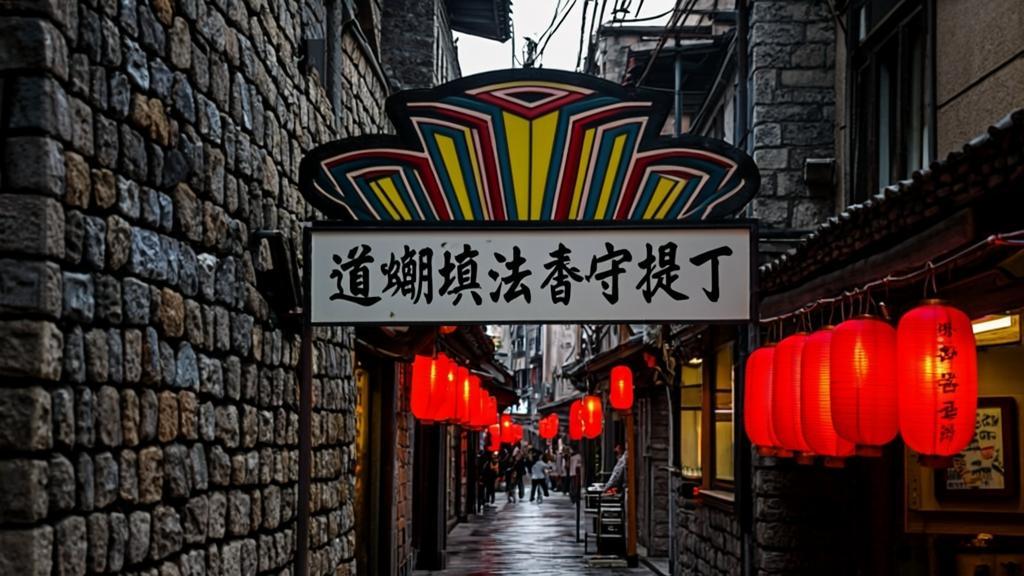
Just one block from the neon chaos, Hozenji Yokocho feels like another world. This narrow 80-meter alley is lined with traditional stone walls, lantern-lit restaurants, and a tiny temple covered in moss.
The alley dates back to the Edo period and was made famous by the novel “Meoto Zenzai.” Today, you’ll find intimate izakayas, okonomiyaki shops, and kushikatsu restaurants. It’s perfect for escaping the crowds and experiencing old Osaka.
Hours: Restaurants typically open 5 PM – 11 PM
Budget: ¥3,000-6,000 per person for dinner
Shinsaibashi: Shopping Paradise
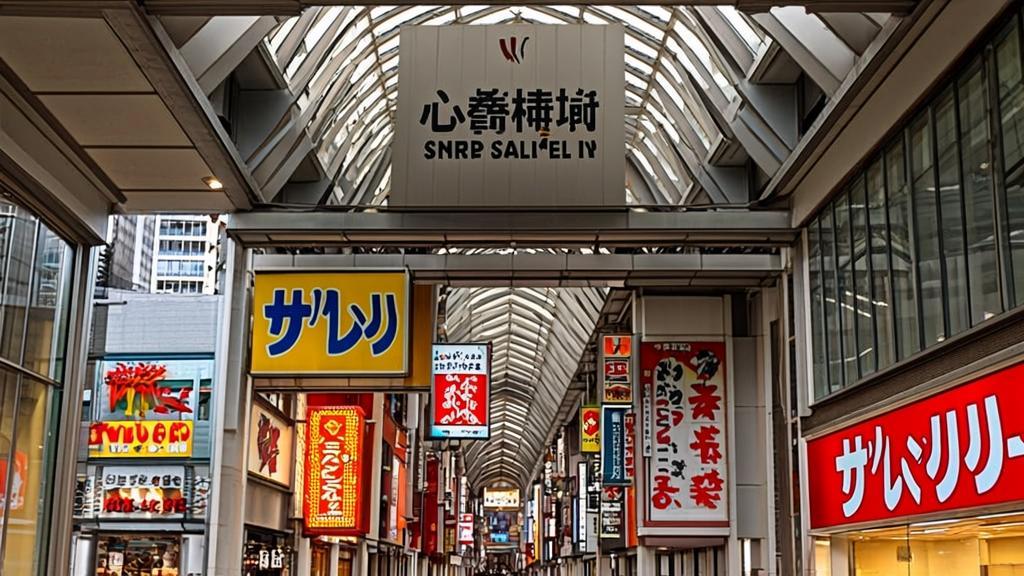
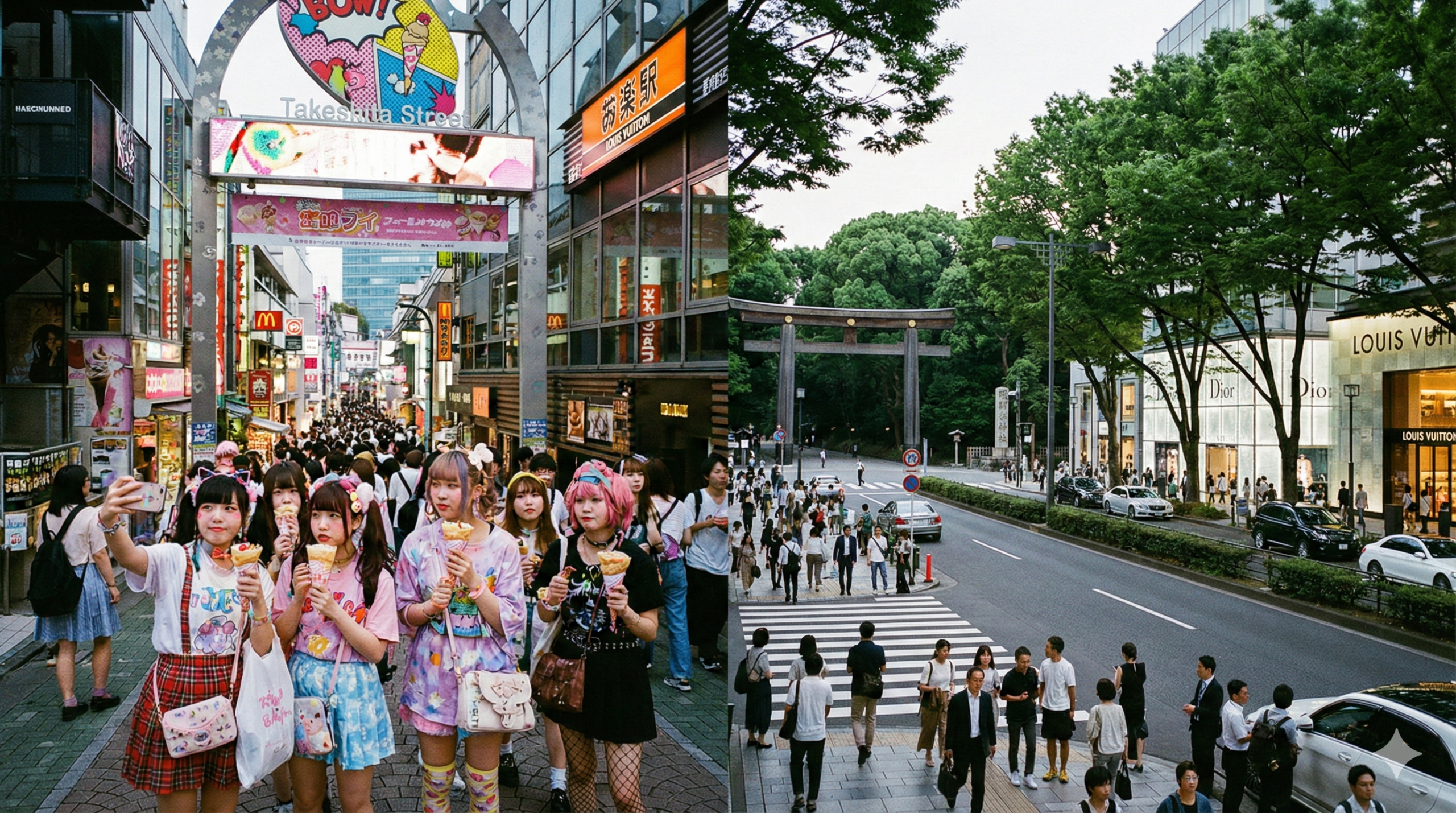
Shinsaibashi-suji Shopping Street is a covered arcade stretching 580 meters from Shinsaibashi Station to Dotonbori. With over 200 shops, it’s one of the oldest and busiest shopping streets in Japan.
What You’ll Find
- Fashion: Uniqlo, H&M, Zara, plus Japanese brands and boutiques
- Electronics: Drugstores with Japanese skincare, gadgets
- Souvenirs: Daiso (100-yen shop), specialty gift stores
- Food: Cafes, bakeries, and quick bites
Hours: Most shops open 10 AM – 9 PM
Budget: ¥1,000 for souvenirs, ¥5,000-15,000 for clothing
Amerikamura: Vintage Fashion and Youth Culture
West of Shinsaibashi lies Amerikamura (or “Amemura”), Osaka’s youth fashion hub. Named for its post-WWII role as a place to buy American goods, today it’s packed with vintage clothing stores, record shops, and trendy cafes.
Triangle Park is the heart of Amemura — a tiny concrete plaza where Osaka’s trendiest locals hang out. Browse the surrounding streets for vintage Levi’s, retro sneakers, and Japanese street fashion.
Tip: Most shops don’t open until 11 AM or later. Visit in the afternoon when the neighborhood comes alive.
Orange Street and Horie
For a more sophisticated shopping experience, head to Orange Street in the Horie neighborhood. This area was once Osaka’s furniture-making district but has transformed into a hub for designer boutiques, concept stores, and stylish cafes.
It’s quieter than Shinsaibashi and perfect for finding unique Japanese design items, home goods, and fashion.
Kuromon Market: Osaka’s Kitchen
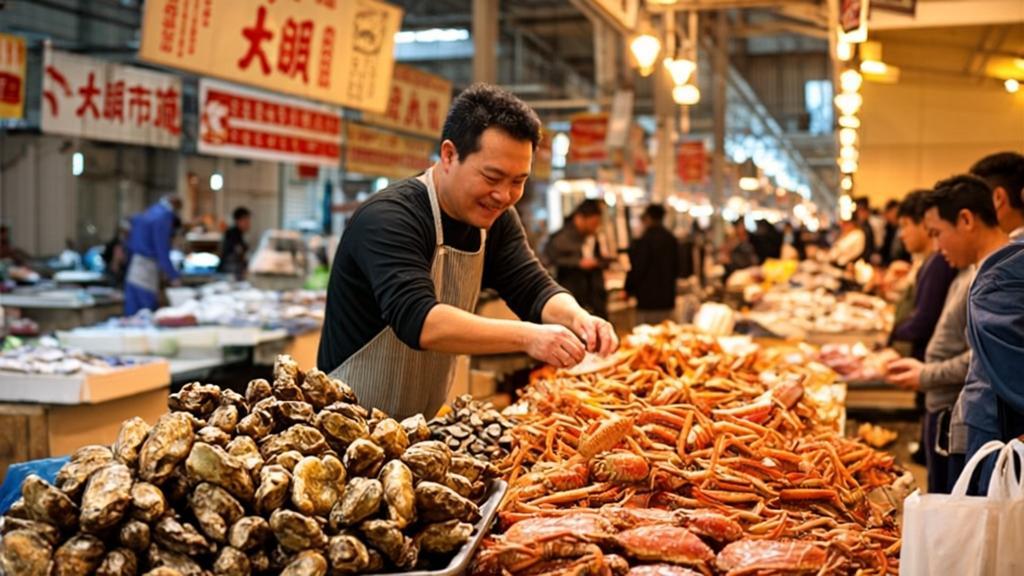
Just a 10-minute walk from Dotonbori, Kuromon Market is where locals shop for fresh ingredients. This covered market has about 150 stalls selling seafood, meat, produce, and prepared foods.
For tourists, it’s a fantastic place to sample fresh seafood and local specialties:
- Fresh oysters: ¥500-800 each
- Grilled crab: ¥1,000-2,000
- Wagyu beef skewers: ¥800-1,500
- Seafood bowls: ¥1,500-3,000
Hours: Most stalls open 9 AM – 5 PM (varies by shop)
Closed: Some shops close Sundays and holidays
Practical Information
How to Get There
- From Osaka/Umeda Station: Take Midosuji Line to Shinsaibashi Station (7 minutes, ¥230)
- From Namba Station: Walk 5 minutes to Dotonbori
- From KIX Airport: Nankai Railway to Namba (40 minutes), then walk
Best Times to Visit
- Daytime (10 AM – 5 PM): Best for shopping at Shinsaibashi and Kuromon Market
- Evening (6 PM – 10 PM): Best for Dotonbori’s neon atmosphere and street food
- Late night (after 10 PM): Bars and izakayas in Hozenji Yokocho
Budget Guide
| Activity | Budget |
|---|---|
| Street food (takoyaki, snacks) | ¥500-1,500 |
| Restaurant lunch | ¥1,000-2,000 |
| Restaurant dinner | ¥2,500-5,000 |
| Shopping (souvenirs) | ¥2,000-5,000 |
| Shopping (clothing) | ¥5,000-15,000 |
Daily budget estimate: ¥5,000-10,000 for a full day of food and shopping.
One-Day Itinerary
Morning (10 AM): Start at Shinsaibashi Station. Browse the shopping arcade, grab coffee and a snack.
Lunch (12 PM): Walk to Kuromon Market for fresh seafood. Try an oyster or seafood bowl.
Afternoon (2 PM): Explore Amerikamura for vintage shopping, then Orange Street for designer finds.
Late Afternoon (4 PM): Return to Shinsaibashi arcade for more shopping or a break at a cafe.
Evening (6 PM): Head to Dotonbori. Take photos at the Glico sign and giant crab.
Dinner (7 PM): Try okonomiyaki or kushikatsu at a local restaurant.
Night (9 PM): Stroll along the canal, grab takoyaki for a late snack, or explore Hozenji Yokocho for drinks.
Tips for First-Timers
- Wear comfortable shoes: You’ll walk a lot — the arcade alone is 580 meters.
- Bring cash: Many small shops and food stalls don’t accept cards.
- Visit at night: Dotonbori’s neon is the main attraction — don’t leave before sunset.
- Don’t eat while walking: It’s considered rude in Japan. Find a bench or eat standing at the stall.
- Learn basic phrases: “Sumimasen” (excuse me) and “Arigato” (thank you) go a long way.
Frequently Asked Questions
Q: Is Dotonbori safe at night?
A: Yes, very safe. Osaka is generally safe, and Dotonbori is crowded with tourists and locals until late.
Q: How long should I spend in Dotonbori?
A: A full day (10 AM – 10 PM) lets you experience both shopping and nightlife. For a quick visit, 3-4 hours in the evening is enough.
Q: What’s the best food in Dotonbori?
A: Takoyaki is the must-try. For a sit-down meal, okonomiyaki or kushikatsu are Osaka classics.
Q: Do I need reservations?
A: Not for street food. Popular restaurants may have lines, but most are first-come, first-served.
Q: Can I use credit cards?
A: Major stores accept cards. Small food stalls and some boutiques are cash-only. Bring yen.
Conclusion
Dotonbori and Shinsaibashi capture everything that makes Osaka special: incredible food, endless shopping, and a nightlife scene unlike anywhere else in Japan. Whether you’re snapping photos under the neon lights, hunting for vintage fashion in Amerikamura, or eating your way through Kuromon Market, you’ll understand why Osaka is called “Japan’s kitchen.”
Spend at least one full day and night here. And when you leave, you’ll probably already be planning your return.
Make Your Japan Trip More Exciting with Japaner Guide
Japaner Guide is a personal guide matching service that connects you with local guides to explore destinations across Japan. Even if you’re traveling alone and feeling unsure, you can enjoy Japan with confidence and peace of mind.
From famous tourist attractions to hidden local gems, we customize your journey to perfectly match your interests!
Sign up here: https://japaner-guide.com/
Make your trip to Japan more fun and meaningful!