When I first moved to Japan, I thought tea was just tea. You boil some water, dunk a bag, and drink. How wrong I was. Japanese tea culture opened my eyes to an entirely different world of flavors, traditions, and mindfulness.
After years of living in Japan and countless cups of green tea shared with local friends and tea farmers, I have come to appreciate the depth of Japanese tea. In this guide, I will share everything I have learned about Japanese tea types, brewing techniques, and where to experience authentic tea culture.
The Main Types of Japanese Tea
Japanese tea is almost exclusively green tea, but the variations are remarkable. The processing method, growing conditions, and harvest timing all create distinct flavors.
Sencha: Japan Everyday Favorite
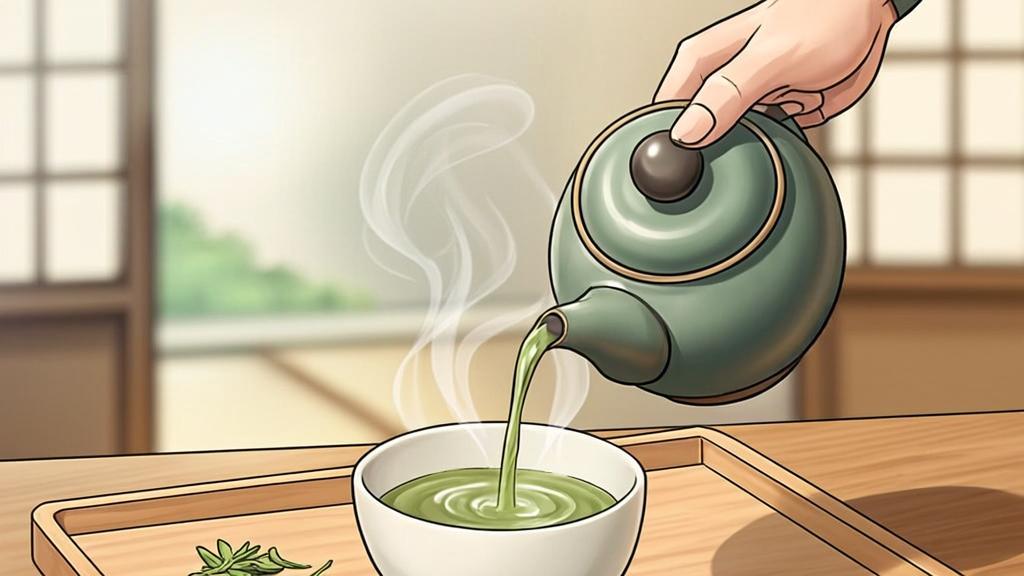
Sencha accounts for about 80% of all tea produced in Japan. The leaves are steamed, rolled into needle-like shapes, and dried, creating a beautiful dark green appearance.
When brewed properly, sencha produces a clear, golden-green tea with a fresh grassy aroma and a balance of sweetness, umami, and mild astringency. The best sencha comes from the first spring harvest (shincha), which has a sweeter, more delicate flavor.
Matcha: The Ceremonial Star
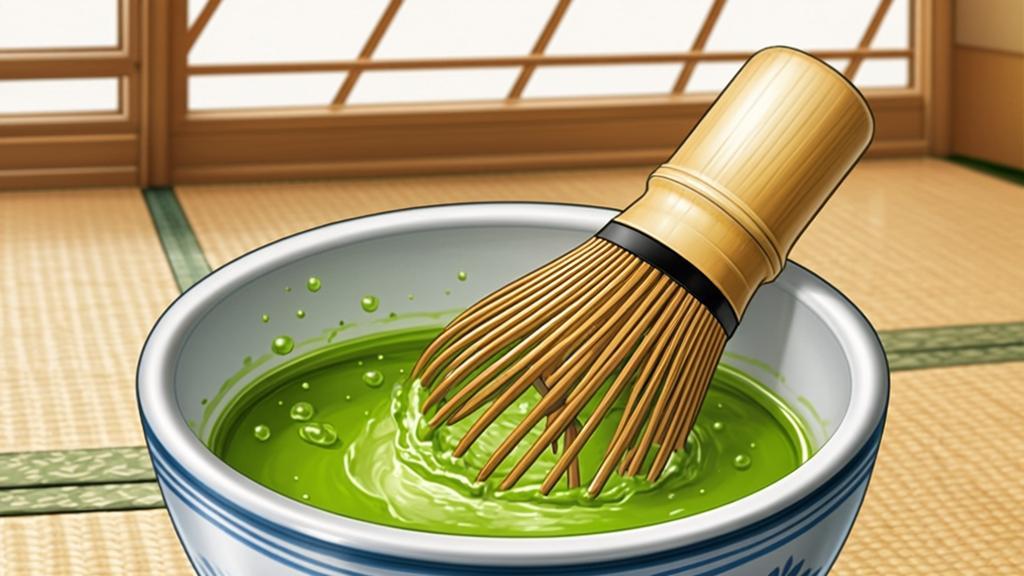
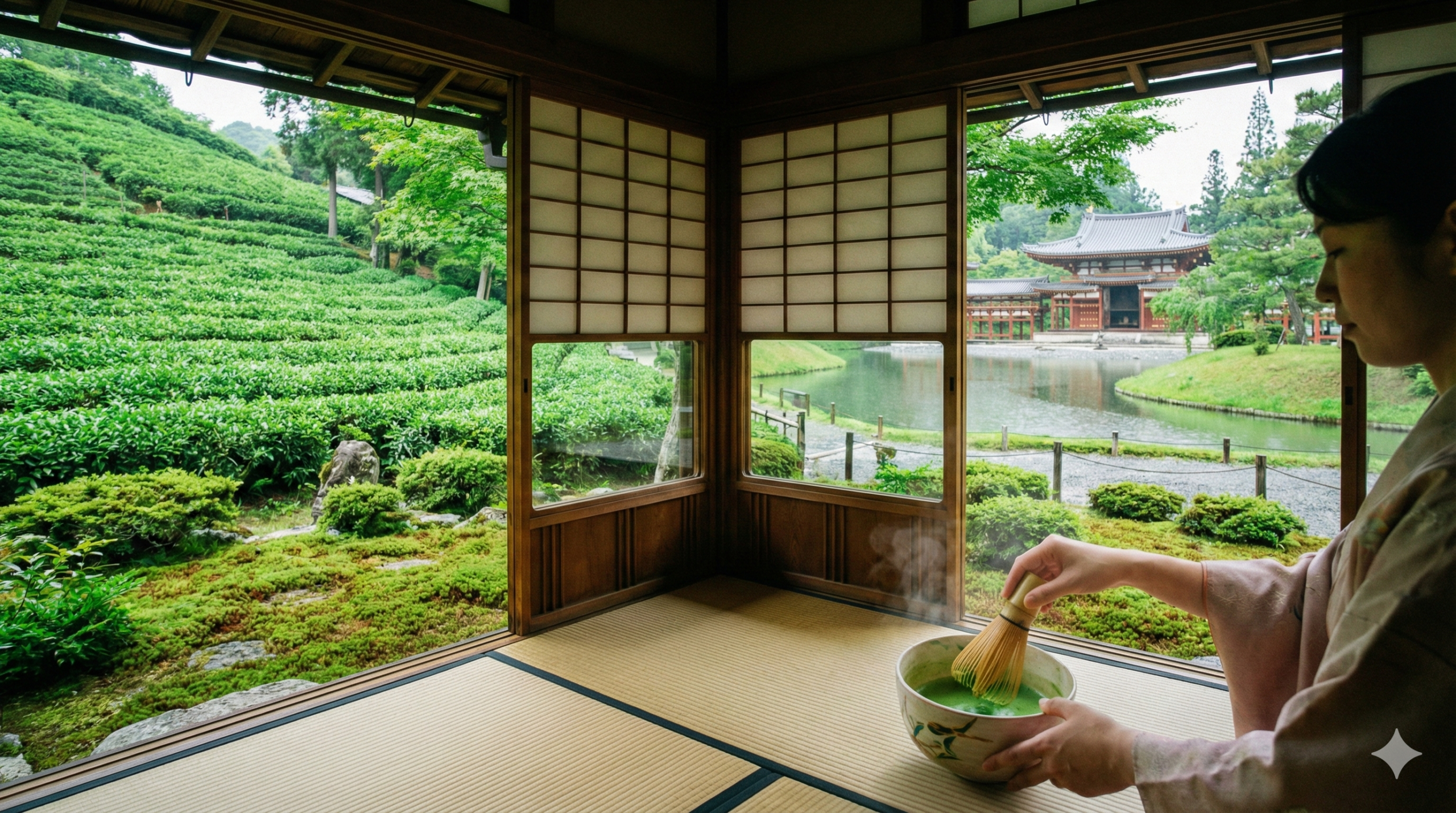
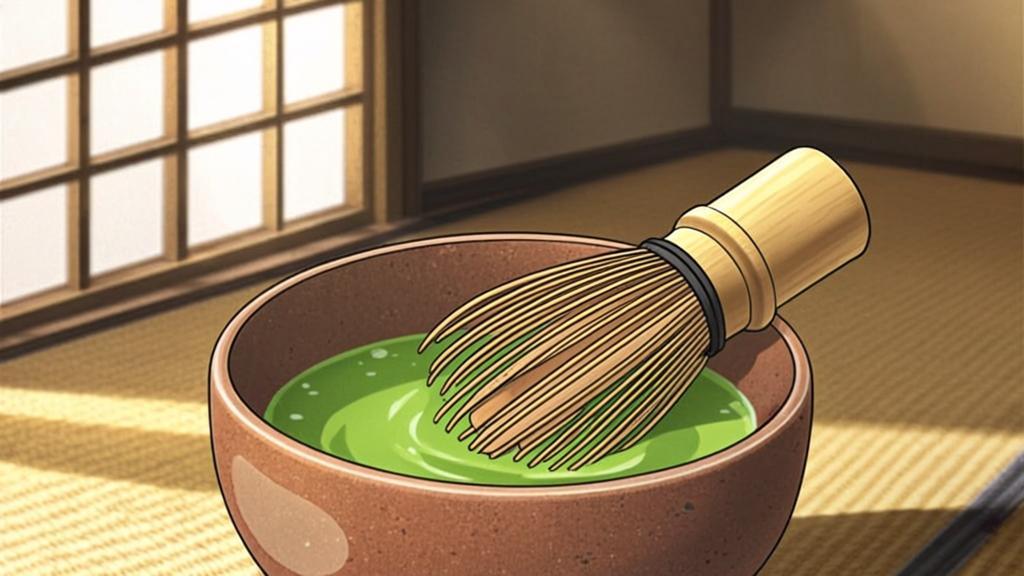
Matcha has exploded in popularity worldwide, but authentic matcha is something special. Made from shade-grown tea leaves that are stone-ground into a fine powder, matcha is the centerpiece of the Japanese tea ceremony.
Because you are consuming the entire leaf, matcha delivers concentrated flavor, caffeine, and nutrients. The taste is intensely green with a smooth, creamy texture and rich umami notes.
Gyokuro: The Premium Shade-Grown Tea
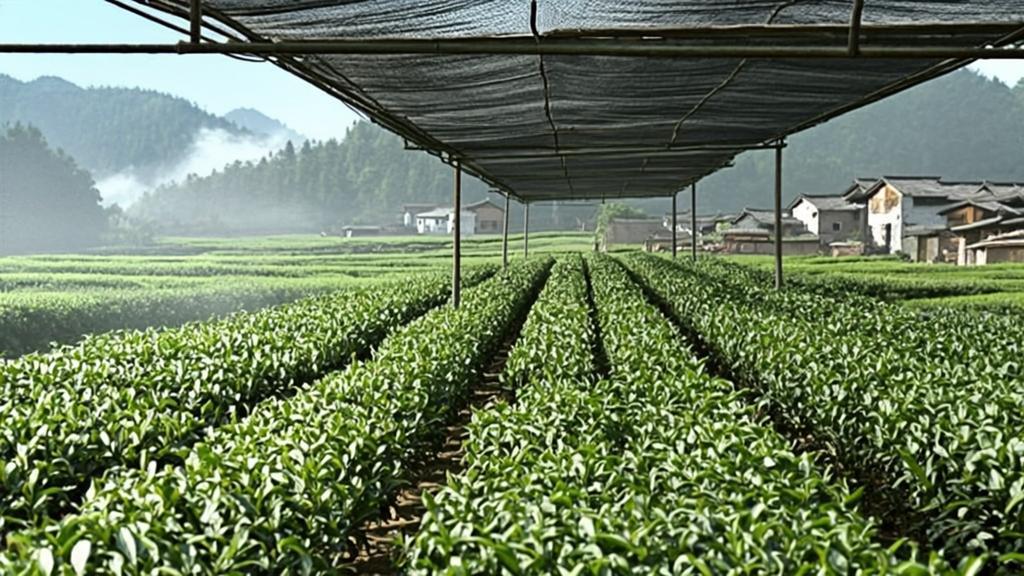
Gyokuro is grown in shade for at least 20 days before harvest, which reduces bitter compounds and increases the sweet theanine that gives this tea its distinctive umami flavor.
Use much cooler water (around 60C) and a longer steeping time. The result is a deep green brew with an almost seaweed-like aroma and incredible sweetness.
Hojicha: The Roasted Comfort Tea
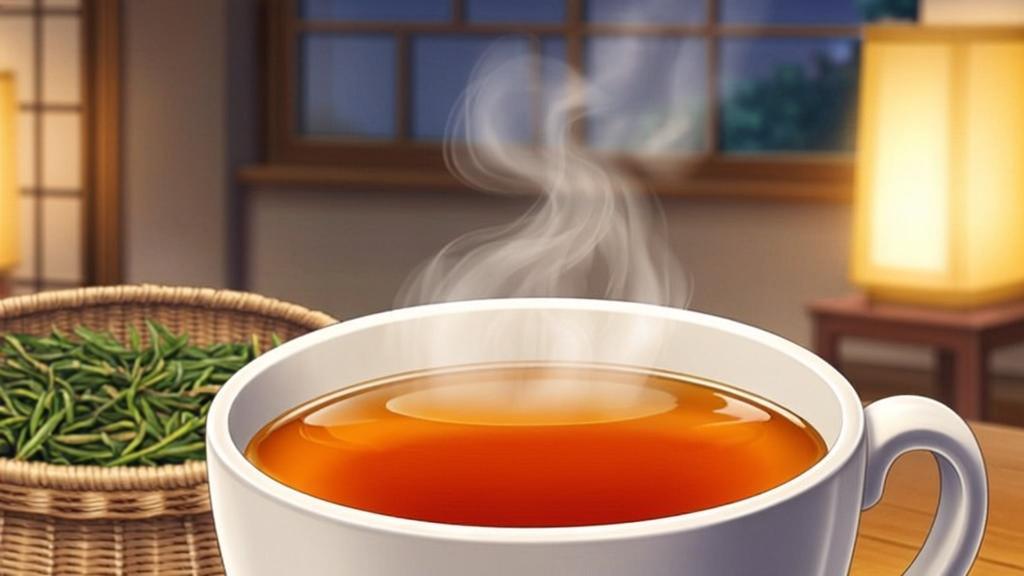
Hojicha is roasted green tea. The roasting turns the leaves brown and creates a toasty, nutty, caramel-like flavor with very little bitterness and low caffeine, making it perfect for evening drinking.
Genmaicha: The Popcorn Tea
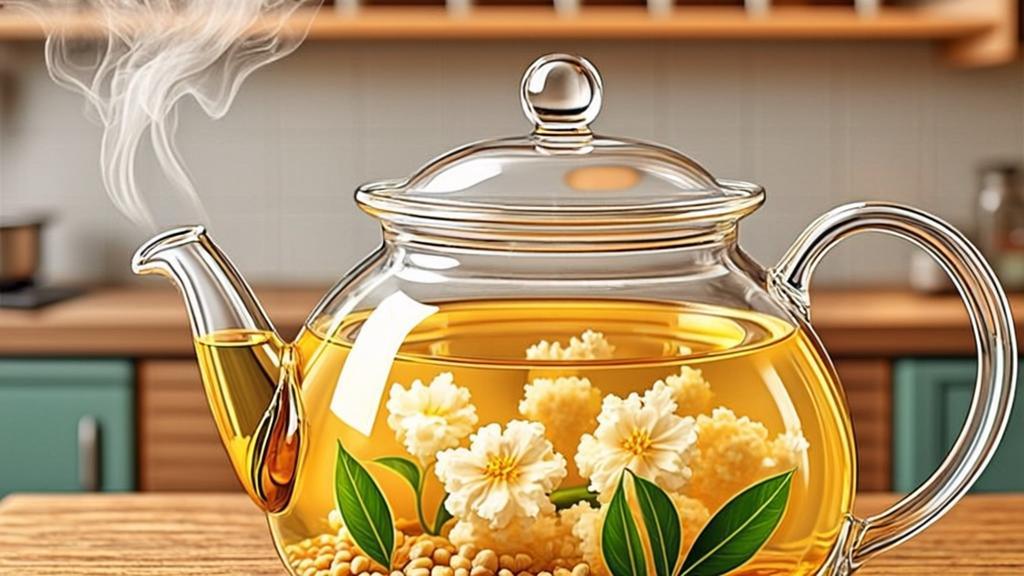
Genmaicha combines green tea with toasted brown rice. The rice sometimes pops during roasting, earning this tea its nickname. The result is a nutty, savory brew that is affordable and excellent for beginners.
How to Brew Japanese Tea Properly
The biggest mistake I see people make is brewing Japanese tea with boiling water. This burns the leaves and extracts bitter compounds.
Brewing Temperature and Time
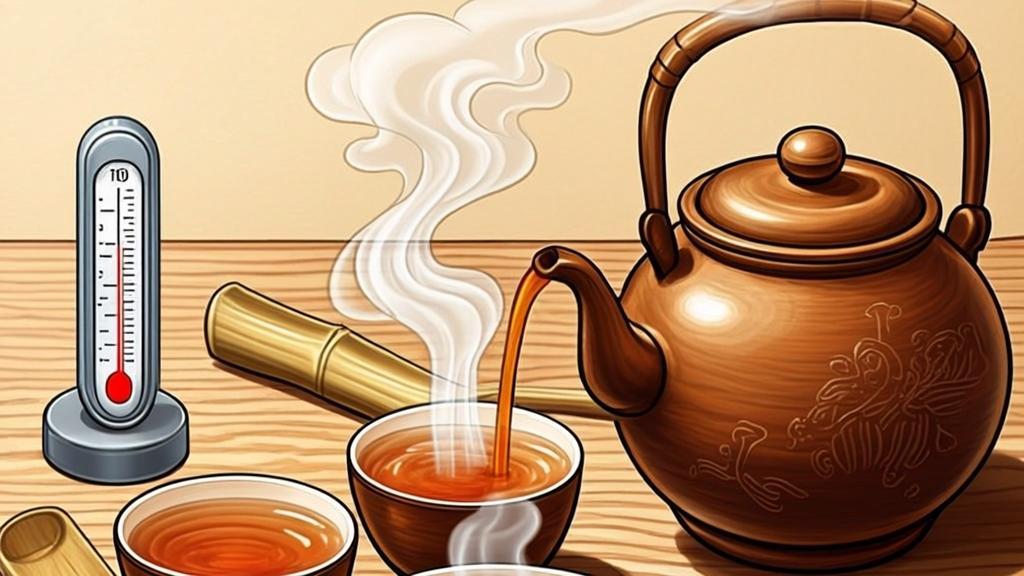
| Tea Type | Temperature | Steep Time |
|---|---|---|
| Sencha | 80C (176F) | 60 seconds |
| Gyokuro | 60C (140F) | 90 seconds |
| Hojicha | 100C (212F) | 30-40 seconds |
| Genmaicha | 100C (212F) | 30-40 seconds |
Use about 10 grams (2 tablespoons) of tea leaves per 200-240ml of water. Soft water with low mineral content works best.
Multiple Infusions
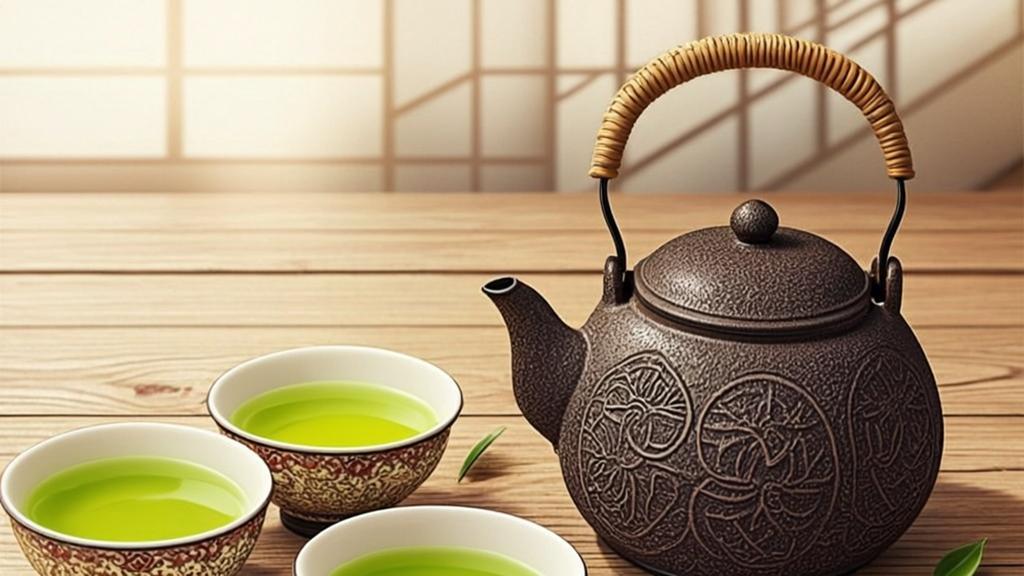
You can steep the same leaves 2-3 times. For the second infusion, use slightly hotter water and a shorter steep time. Each infusion brings out different flavor notes.
Health Benefits of Japanese Tea
The primary antioxidants in green tea are catechins, linked to numerous health benefits. Studies suggest regular consumption may help reduce the risk of heart disease, support healthy cholesterol levels, and provide anti-cancer properties.
The combination of caffeine and L-theanine in matcha provides calm, focused alertness without coffee jitters. Japanese green tea is also nearly calorie-free.
Where to Experience Tea Culture in Japan
Uji: The Heart of Japanese Tea
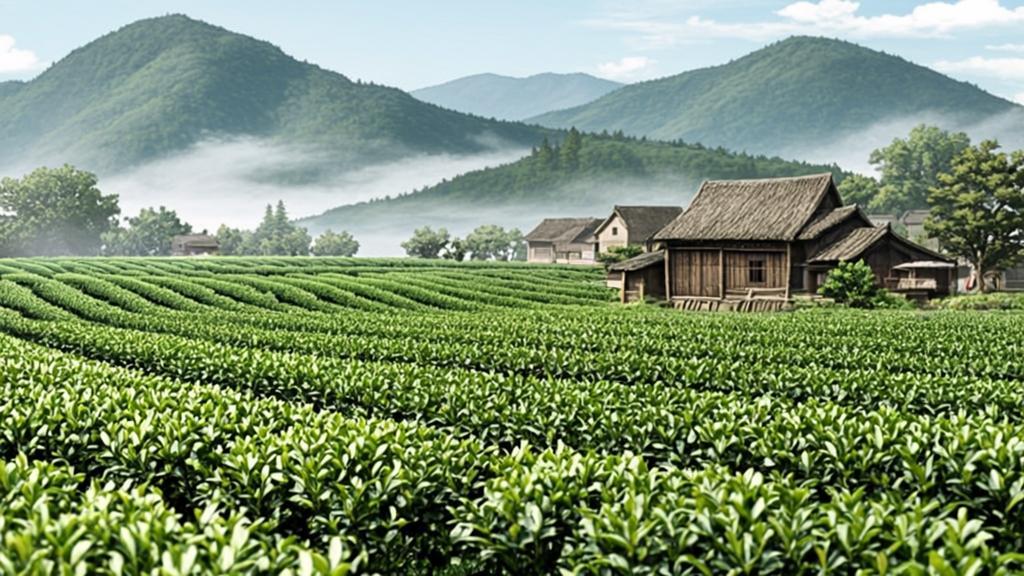
Just south of Kyoto, Uji is synonymous with premium Japanese tea. This region has produced tea since the Kamakura period, and its matcha is considered Japan finest. You can visit plantations, participate in ceremonies, and taste rarely exported teas.
Kyoto Tea Ceremonies
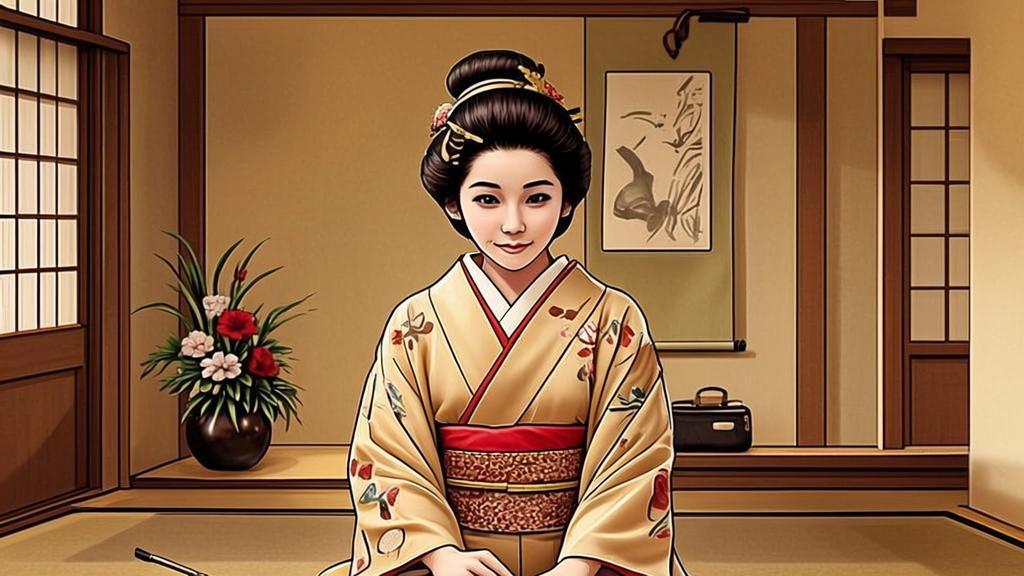
Kyoto offers numerous opportunities to experience authentic tea ceremonies. Several venues offer English-speaking ceremonies where you can learn about tea philosophy while wearing traditional kimono.
Tips for Buying Japanese Tea
Freshness is key. Look for vacuum-sealed packages with harvest dates. First harvest teas (shincha) are available starting in late April or May.
Store tea in an airtight container away from light, heat, and moisture. Price usually indicates quality, especially for gyokuro and ceremonial-grade matcha.
Final Thoughts
Japanese tea is so much more than a beverage. It is a gateway to understanding Japanese culture, aesthetics, and philosophy. Whether you are a complete beginner or have some experience, I encourage you to explore further.
If you are planning a trip to Japan and want help discovering more authentic experiences, I would love to assist you in creating your perfect Japanese adventure.