When I first discovered Japanese whisky, I was immediately captivated by its elegance and complexity. Over the years, I have explored countless bottles, visited distilleries, and developed a deep appreciation for what makes Japanese whisky so special. In this comprehensive guide, I will share everything I have learned to help you navigate the wonderful world of Japanese whisky.
What Makes Japanese Whisky Unique?
Japanese whisky has earned a legendary reputation among spirits enthusiasts worldwide, and for good reason. What sets it apart from its Scottish and American counterparts is the meticulous attention to detail and the pursuit of perfection that defines Japanese craftsmanship.
The production methods in Japan draw heavy inspiration from Scottish traditions, but Japanese distillers have refined and elevated these techniques to create something distinctly their own. From the pristine water sources to the carefully selected oak casks, every element is chosen with precision.
One of the most fascinating aspects I have discovered is the use of Mizunara oak, a native Japanese wood that imparts unique flavors of sandalwood, coconut, and oriental spices. This rare oak is difficult to work with but produces extraordinary results that you simply cannot find in whiskies from other regions.
The History of Japanese Whisky
Understanding the history of Japanese whisky deepens my appreciation for every sip I take. The story begins with two visionary men who would shape the industry forever.
The Father of Japanese Whisky: Masataka Taketsuru
In 1918, a young Masataka Taketsuru traveled to Scotland to study the art of whisky making. He did not just learn the technical aspects. He fell in love with the culture and even married a Scottish woman named Rita Cowan. When he returned to Japan in 1920, he brought back invaluable knowledge that would revolutionize Japanese spirits.
Suntory and the Yamazaki Distillery
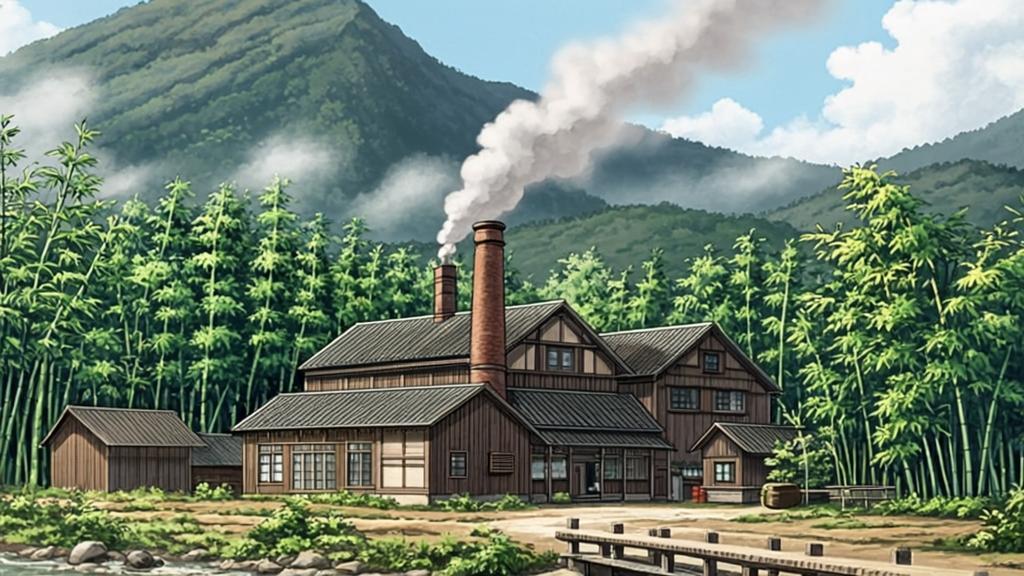
Shinjiro Torii, the founder of Suntory, had a dream of creating a whisky that would suit the Japanese palate. In 1923, he established the Yamazaki Distillery near Kyoto, hiring Taketsuru as the first distillery manager. This location was chosen for its pure water and humid climate, conditions ideal for whisky maturation.
The first Japanese whisky, Suntory Shirofuda (White Label), was released in 1929. It was not an instant success, but Torii persisted, refining his techniques until he achieved the quality he envisioned.
The Birth of Nikka Whisky
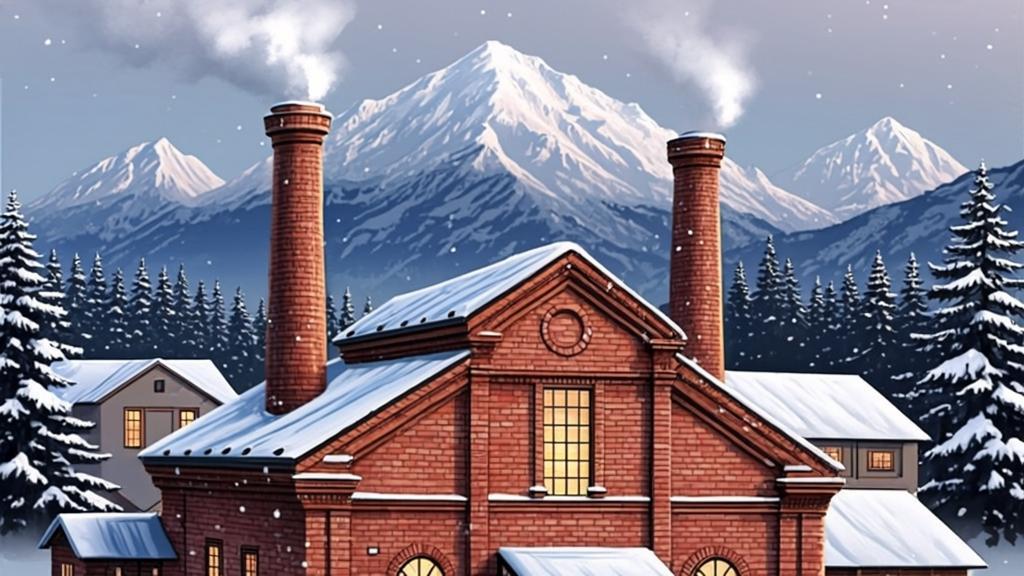
After leaving Suntory, Taketsuru pursued his own vision. In 1934, he founded Nikka Whisky and established the Yoichi Distillery in Hokkaido. He chose this northern location because its climate closely resembled that of Scotland, with cold winters and clean air that he believed would produce exceptional whisky.
Major Japanese Whisky Distilleries
I have had the privilege of visiting several distilleries in Japan, and each one offers a unique perspective on whisky production.
Yamazaki Distillery
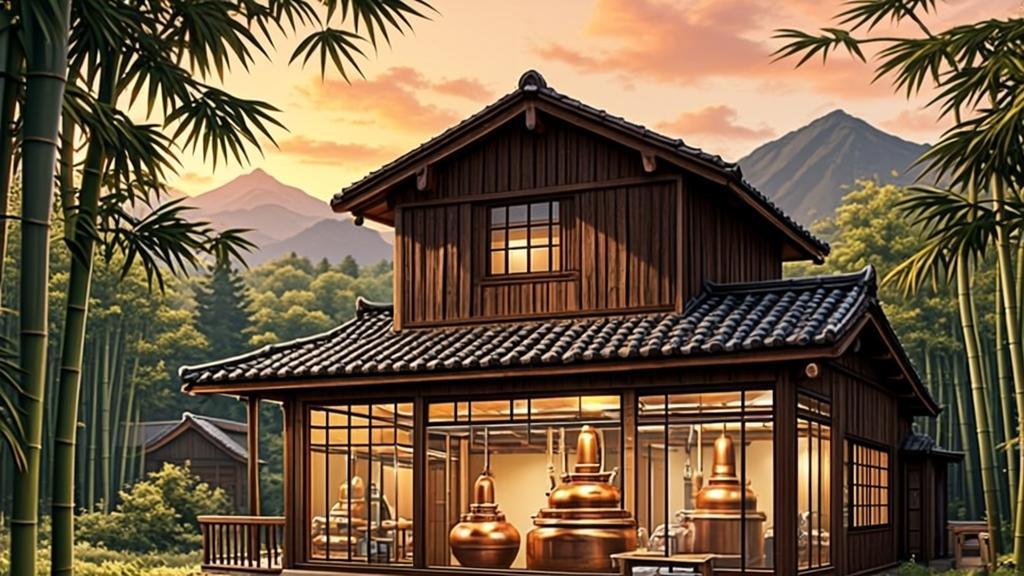
As Japan first commercial whisky distillery, Yamazaki holds a special place in whisky history. Located where three rivers converge near Kyoto, the distillery benefits from some of Japan purest water. The whiskies produced here tend to be elegant and nuanced, with notes of fruit, flowers, and subtle spice.
Hakushu Distillery
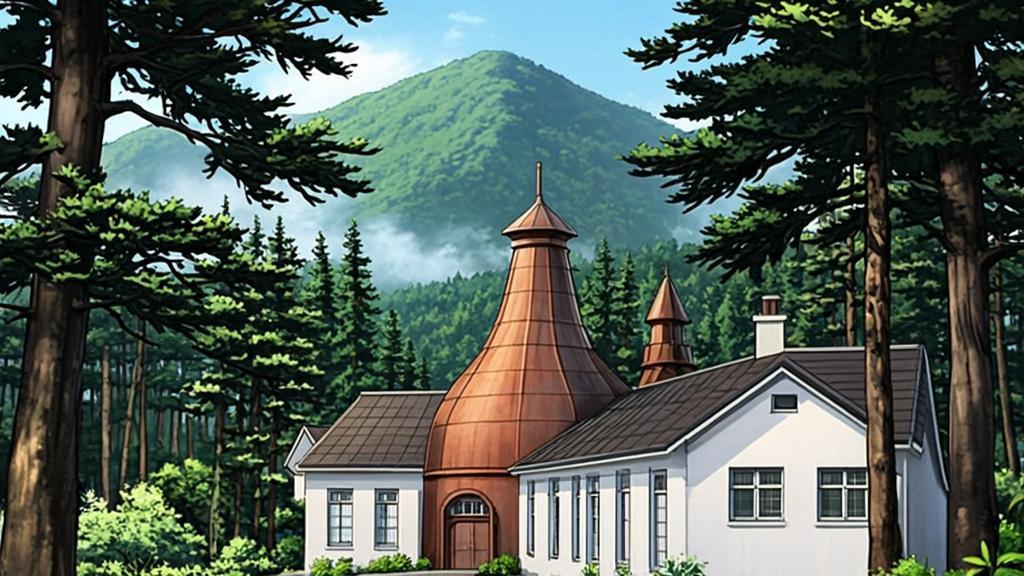
Opened in 1973 in the Southern Japanese Alps, Hakushu is often called the forest distillery. Surrounded by lush mountains and fed by underground water filtered through granite, Hakushu produces whiskies that I find wonderfully fresh and herbal, with a distinctive smoky character in some expressions.
Yoichi Distillery
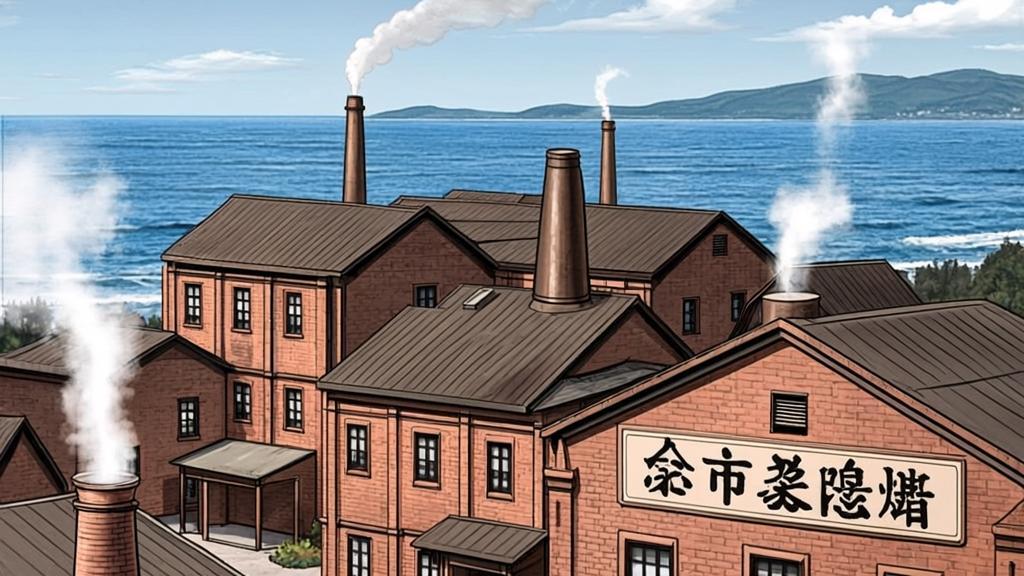
The Yoichi Distillery in Hokkaido maintains traditional production methods, including direct coal-fired pot stills that are rarely used today. This gives Yoichi whiskies a bold, oily character with peaty and briny notes that remind me of Islay Scotch.
Miyagikyo Distillery

Nikka second distillery, Miyagikyo, was established in 1969 in northern Japan. The whiskies here are lighter and more elegant than Yoichi, with fruity and floral characteristics that showcase a different side of Japanese whisky.
Understanding Japanese Whisky Categories
Navigating Japanese whisky can be confusing at first, so let me break down the main categories you will encounter.
Single Malt Whisky
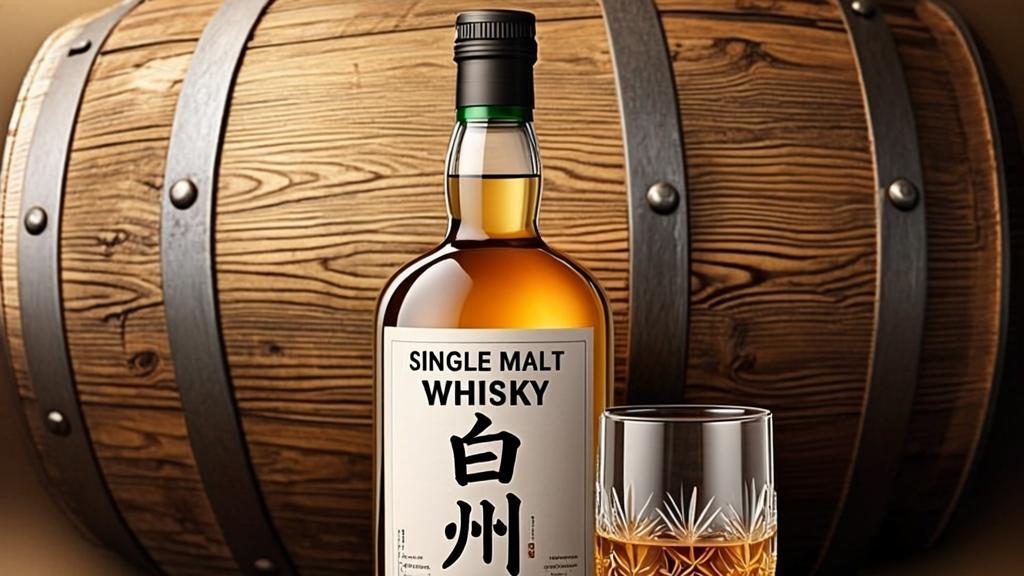
Single malt whisky comes from a single distillery and is made from 100 percent malted barley. These whiskies showcase the unique character of each distillery. Some of my favorites include Yamazaki 12 Year Old and Yoichi Single Malt.
Blended Whisky

Blended whiskies combine malt and grain whiskies from multiple distilleries. Japanese blenders are renowned for their skill in creating harmonious and balanced expressions. Hibiki, produced by Suntory, is perhaps the most famous example and represents the art of Japanese blending at its finest.
Grain Whisky

Grain whisky is made from grains other than barley, typically corn, wheat, or rye. While often used in blends, some grain whiskies are bottled separately and offer a lighter, sweeter profile that I find perfect for casual sipping.
How to Drink Japanese Whisky
One of the things I love most about Japanese whisky is its versatility. Here are the drinking methods I have come to appreciate.
Neat
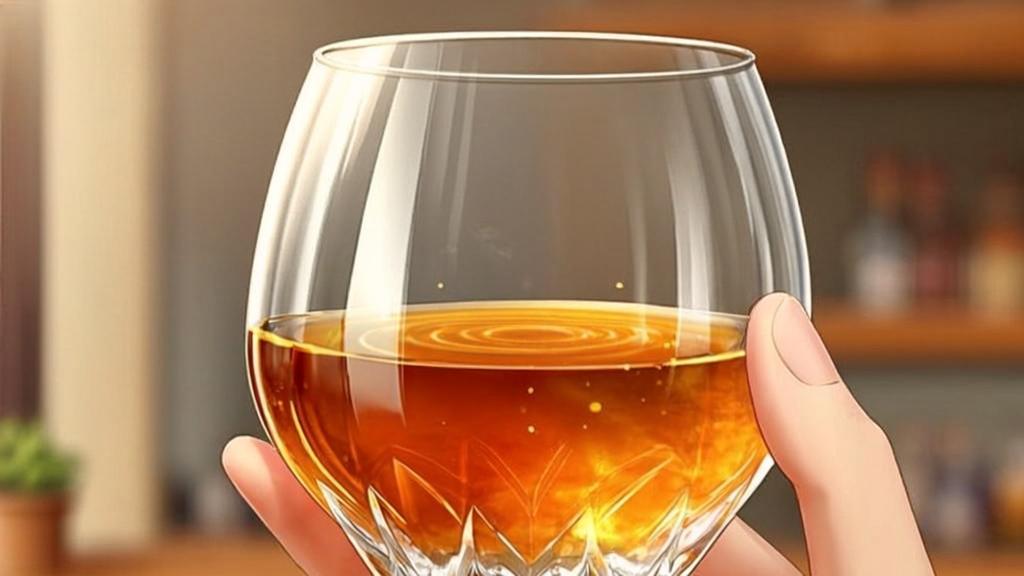
Drinking whisky neat, pouring it straight into a glass at room temperature, allows you to experience the full flavor profile without any dilution. I recommend this for higher-end expressions where you want to appreciate every nuance.
On the Rocks
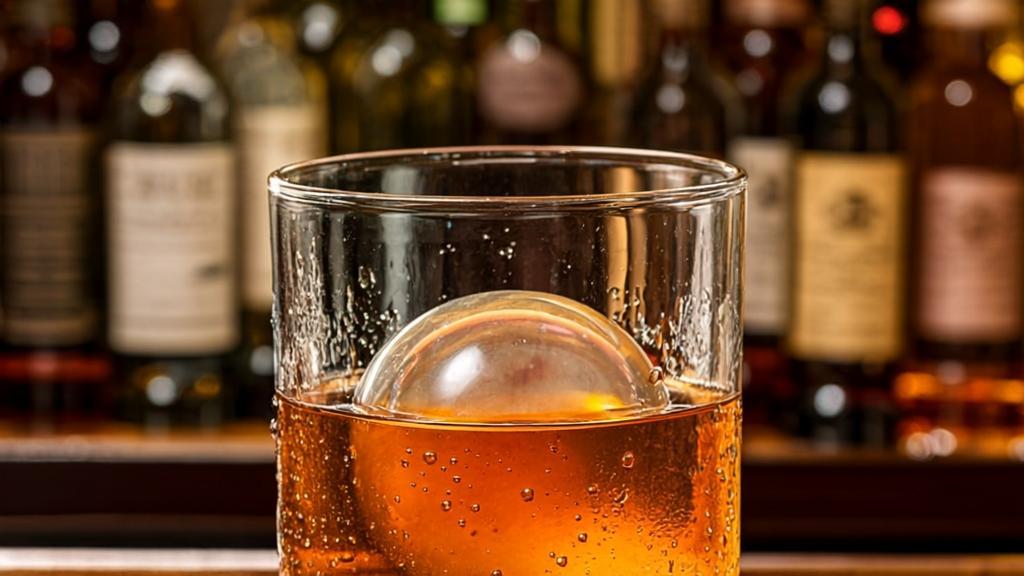
Serving whisky over ice, preferably a large cube that melts slowly, opens up different flavors as the temperature drops and dilution occurs. This is my go-to method for many Japanese whiskies, especially during warmer months.
Mizuwari (With Water)
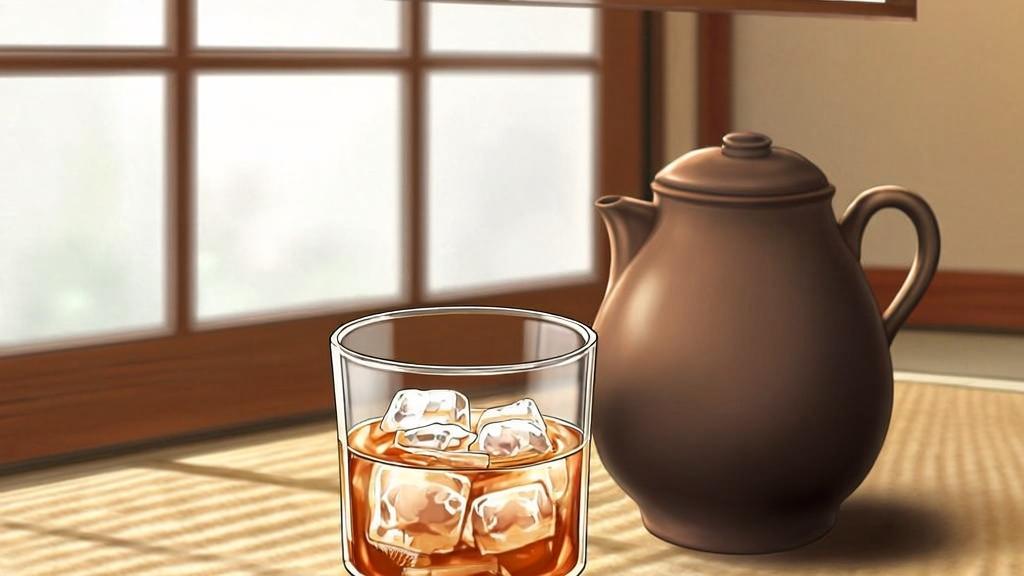
The Japanese tradition of mizuwari involves adding water to whisky, typically in a 1:2 or 1:2.5 ratio. I find this method surprisingly enjoyable, as it softens the alcohol bite and reveals subtle flavors that might otherwise be hidden.
Highball

The highball, whisky mixed with soda water over ice, has become synonymous with Japanese whisky culture. Garnished with a twist of lemon, it is refreshing and incredibly drinkable. This is how I often introduce friends to Japanese whisky, as it is approachable yet sophisticated.
Tasting Tips for Beginners
If you are new to whisky tasting, here are some tips I have gathered from my experiences.
Choose the Right Glass
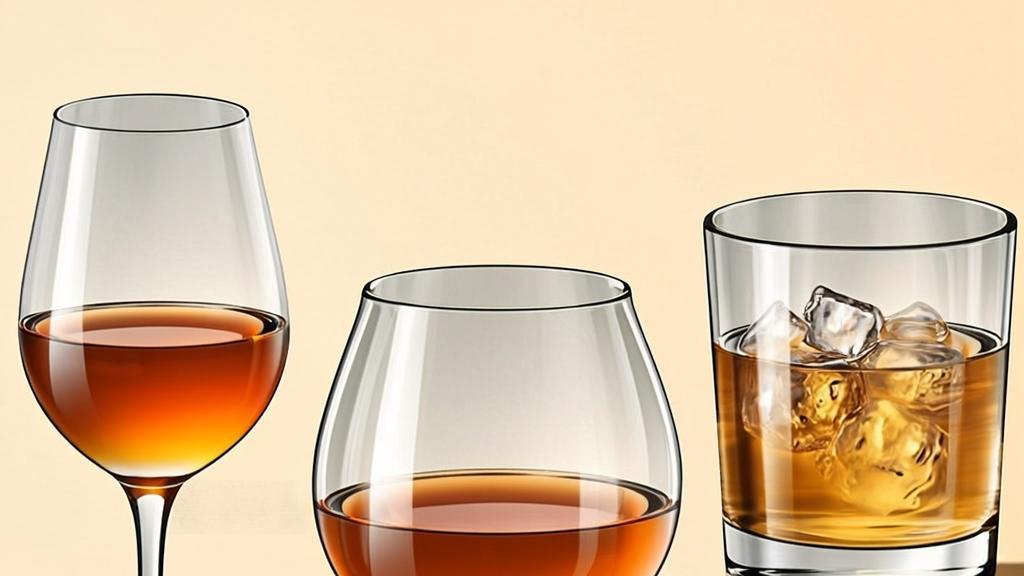
A tulip-shaped glass or Glencairn glass concentrates the aromas, enhancing your tasting experience. I have found that the right glassware makes a significant difference in how I perceive the whisky.
Observe the Color

Before tasting, take a moment to observe the color. Pale gold indicates younger whisky or bourbon cask maturation, while deeper amber suggests longer aging or sherry cask influence.
Nose Gently

Bring the glass to your nose and inhale gently. I have learned that aggressive sniffing can overwhelm your senses. Instead, take short, gentle sniffs to identify fruity, floral, woody, or smoky notes.
Taste Mindfully
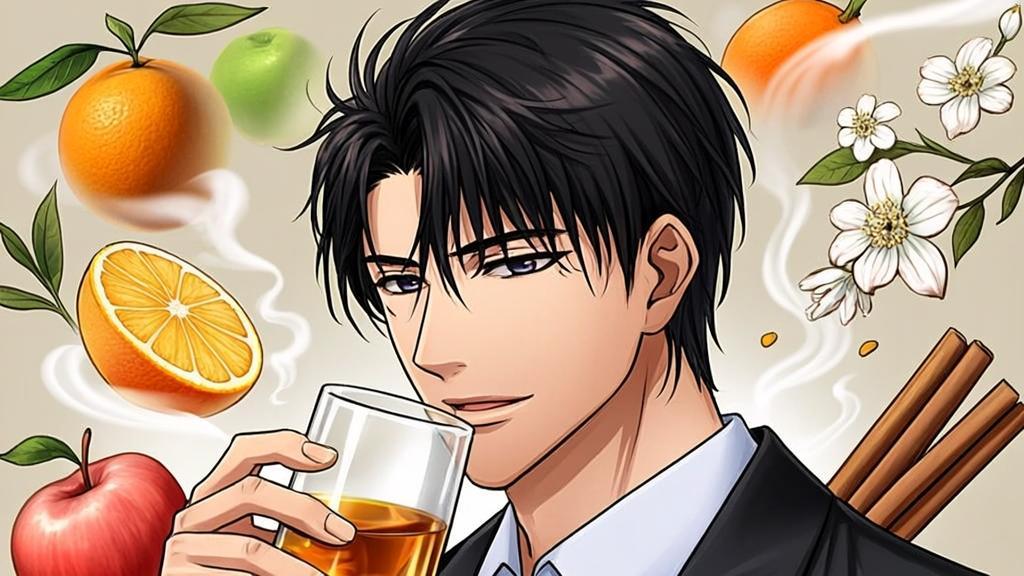
Take a small sip and let the whisky coat your tongue. Notice where you feel different flavors. Sweetness at the tip, saltiness at the sides, bitterness at the back. The finish, or how long flavors linger, is equally important.
Popular Japanese Whisky Brands to Try
Based on my tasting experiences, here are some brands I recommend exploring.
Suntory Whiskies
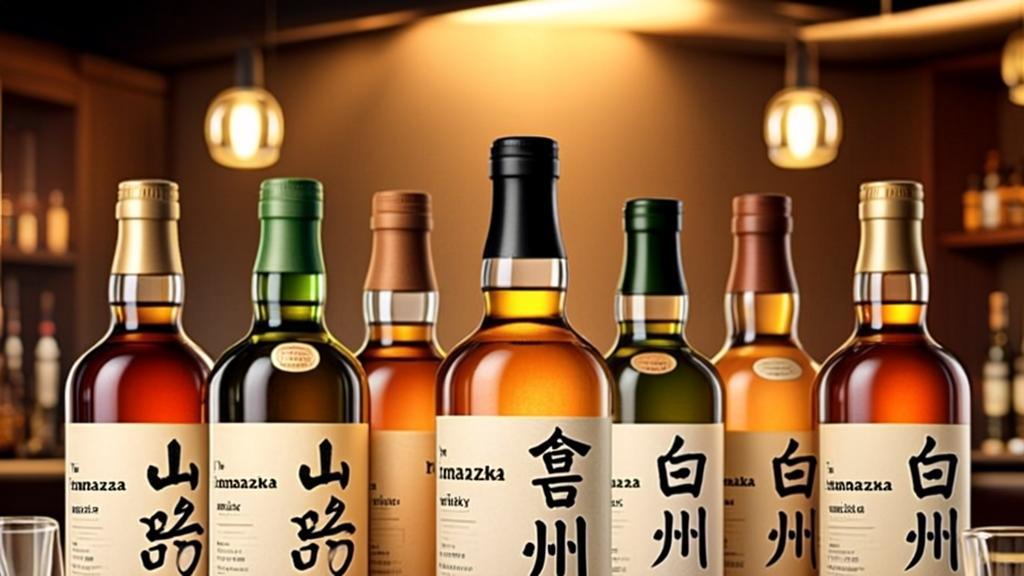
Suntory produces some of the most sought-after Japanese whiskies. The Yamazaki and Hakushu single malts showcase different terroirs, while Hibiki blended whiskies represent the pinnacle of Japanese blending artistry.
Nikka Whisky
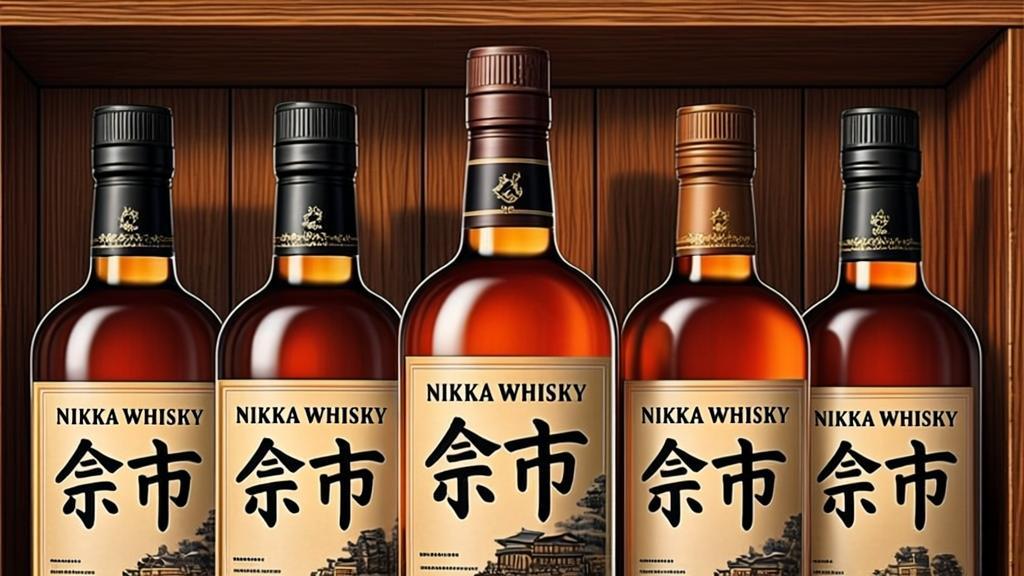
Nikka offers excellent options across price points. Nikka From The Barrel is a personal favorite that delivers exceptional value, while their single malts from Yoichi and Miyagikyo showcase distinct regional characteristics.
Chichibu Distillery
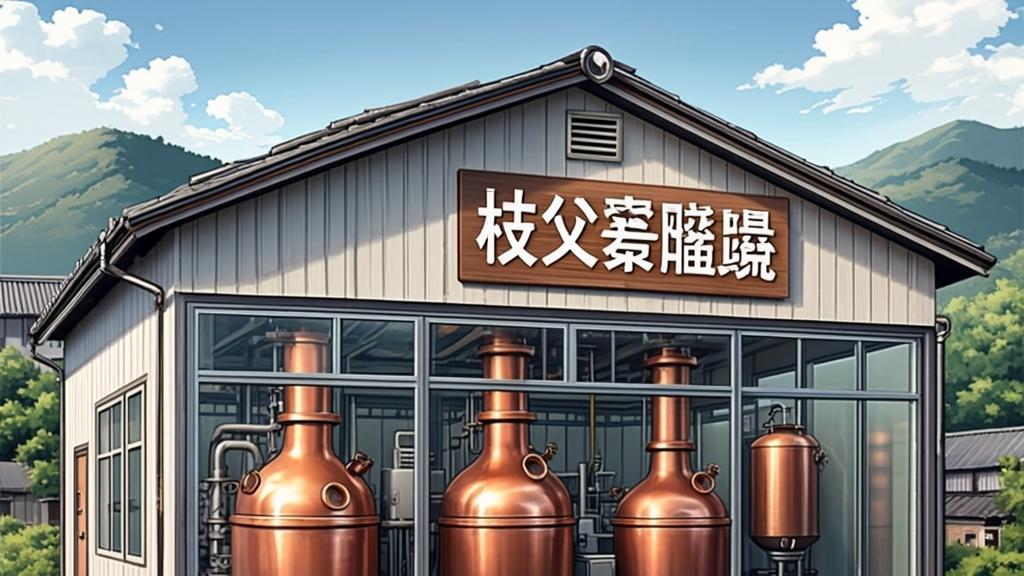
A newer player in the Japanese whisky scene, Chichibu has quickly gained recognition for its exceptional craftsmanship. Their limited releases are highly collectible and showcase innovative approaches to whisky making.
The Current State of Japanese Whisky
I should mention that the popularity of Japanese whisky has created some challenges. The global demand has led to shortages of aged stocks, and prices have risen significantly. Many distilleries have had to discontinue age-statement expressions or replace them with no-age-statement alternatives.
However, this has also led to exciting developments. New distilleries are opening across Japan, and established producers are experimenting with different cask types and production methods. I believe the future of Japanese whisky remains bright.
Final Thoughts
My journey through the world of Japanese whisky has been incredibly rewarding. From understanding its rich history to discovering my favorite expressions, every step has deepened my appreciation for this remarkable spirit.
Whether you are a complete beginner or an experienced enthusiast, Japanese whisky offers something special. I encourage you to explore different brands, try various drinking methods, and develop your own preferences. The perfect Japanese whisky for you is waiting to be discovered.
Remember, the best whisky is the one you enjoy drinking. Do not feel pressured by ratings or prices. Trust your own palate and savor the experience.

Frequently Asked Questions
Is Japanese whisky similar to Scotch?
Japanese whisky production methods were originally inspired by Scotch whisky, and there are similarities in production techniques. However, Japanese whisky has developed its own distinct character, often described as more delicate and refined. The use of Mizunara oak and Japan unique climate also contribute to differences in flavor profile.
Why is Japanese whisky so expensive?
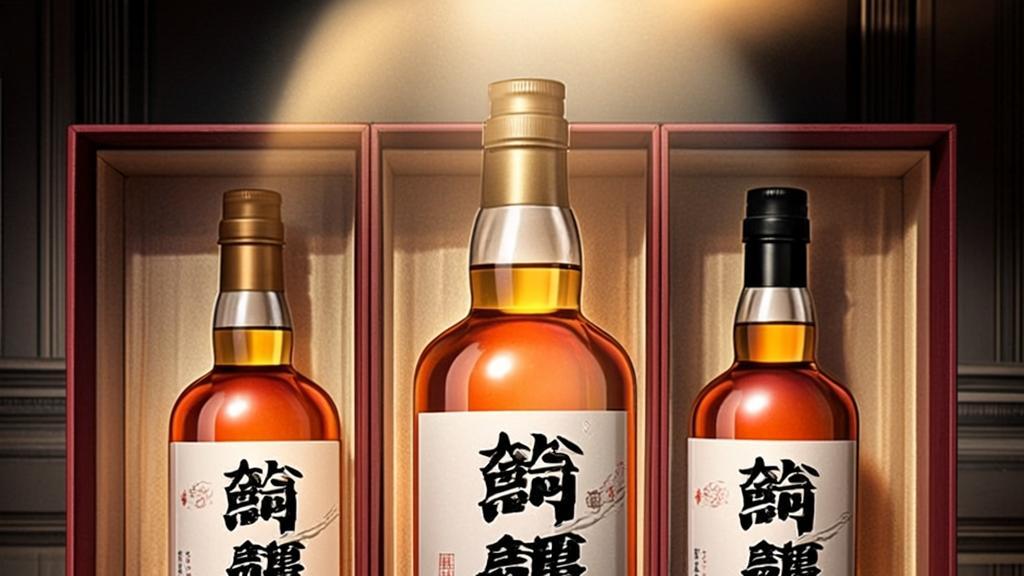
The high prices of Japanese whisky are primarily due to limited supply and growing global demand. Many distilleries underestimated future popularity and did not produce enough aged stock. Additionally, some aged expressions have been discontinued, making remaining bottles highly collectible.
What is the best Japanese whisky for beginners?
I often recommend starting with blended whiskies like Hibiki Japanese Harmony or Nikka From The Barrel. These offer excellent introductions to Japanese whisky style without the high cost of aged single malts. For single malts, Hakushu or Miyagikyo expressions tend to be approachable for newcomers.
How should I store Japanese whisky?
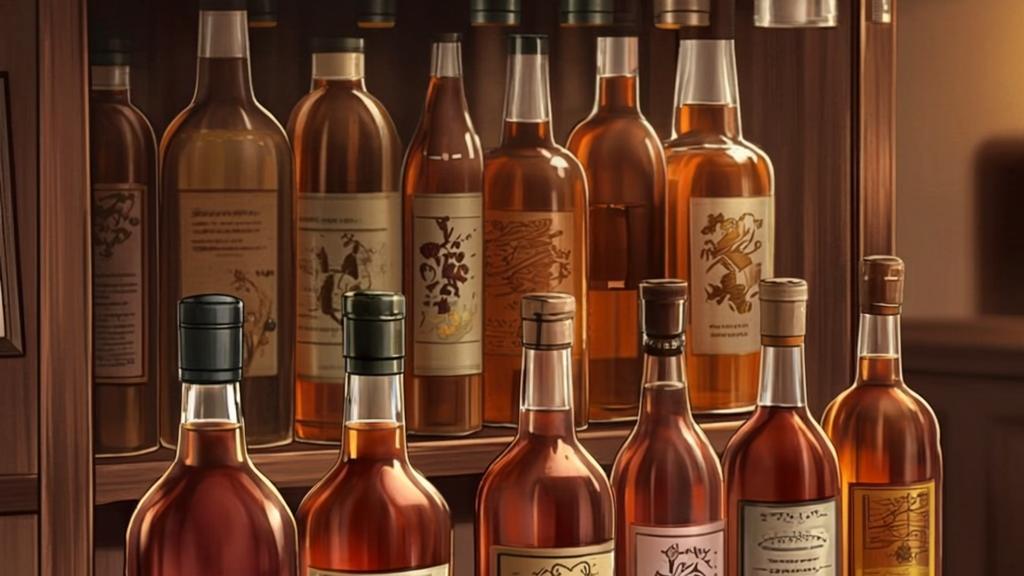
Store your whisky bottles upright in a cool, dark place away from direct sunlight. Unlike wine, whisky does not age in the bottle. Once opened, try to consume within a year or two for optimal flavor, though properly stored whisky will not spoil.