A Tactical Roadmap to Navigating the World’s Most Sophisticated Urban Maze
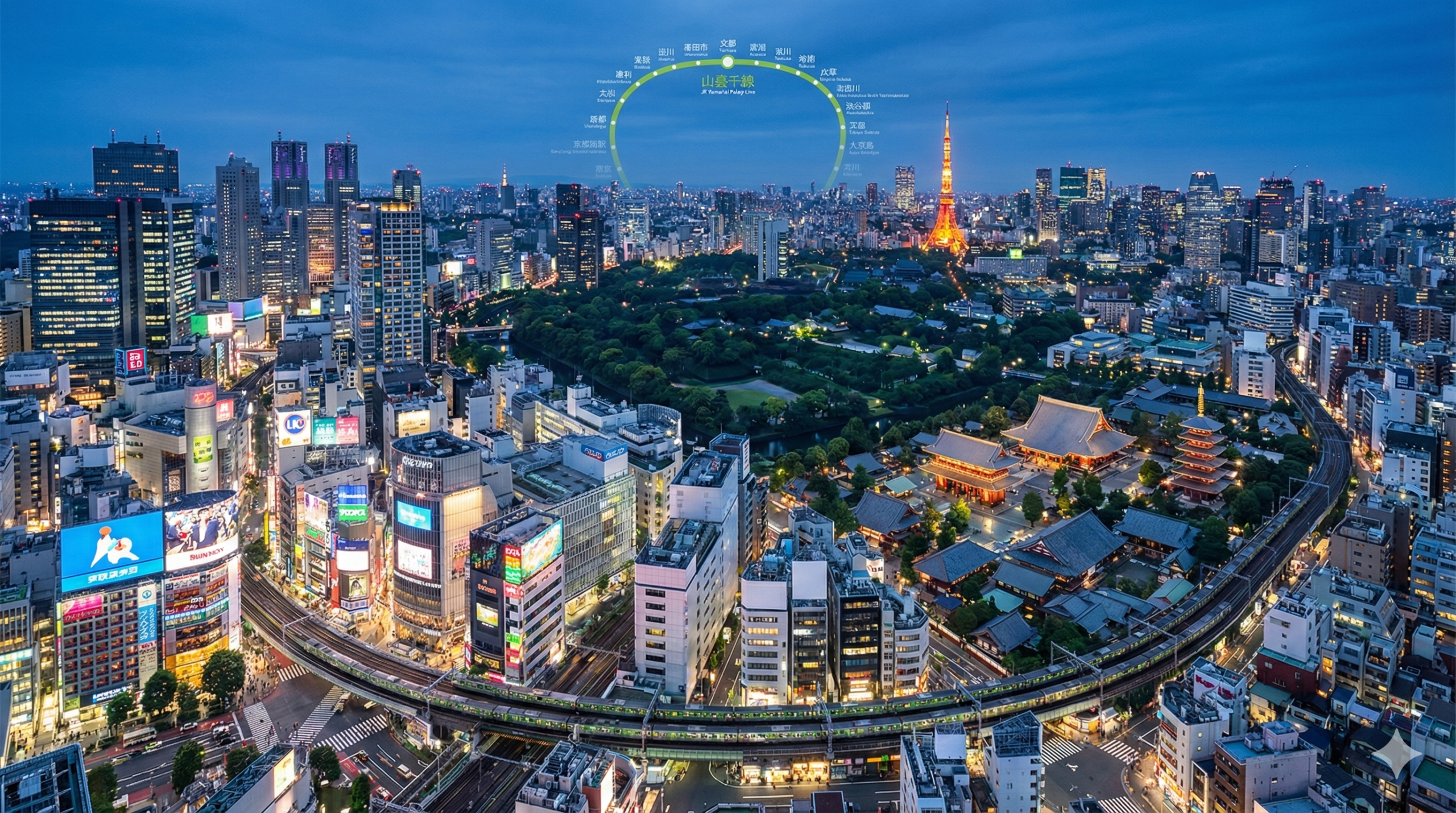
Tokyo is not a single city; it is a sprawling federation of 23 special wards, each functioning as a distinct metropolis with its own soul, rhythm, and architectural language. For the first-time visitor, the scale of Tokyo can be overwhelming—a neon-lit labyrinth where 14 million people move with clockwork precision. To master the Tokyo tourist guide is to understand the “Hub and Spoke” philosophy: using the JR Yamanote loop line to navigate between hyper-modern skyscraper districts, ancient temple sanctuaries, and quiet residential backstreets.
Part I: Deciphering the Tokyo Grid
Tokyo lacks a central “downtown.” Instead, the city is organized around major railway hubs.
- The West Side (The Modern Face): Shinjuku, Shibuya, and Harajuku. This is the realm of youth culture, vertical shopping malls, and the world’s busiest pedestrian crossings.
- The East Side (The Historic Face): Asakusa, Ueno, and Nihonbashi. Here, the spirit of “Shitamachi” (Old Tokyo) survives through low-rise wooden buildings and traditional craft shops.
- The Center (The Power Face): Ginza and Marunouchi. This is the seat of the Imperial Palace, high-end luxury fashion, and the financial heart of Japan.
Part II: The Tactical Transit Toolkit
The secret to enjoying Tokyo is mastering its transit system.
- The Suica/Pasmo Necessity: Don’t buy individual paper tickets. Use a digital IC card on your phone. It works for trains, buses, vending machines, and even convenience stores.
- The “Exit” Strategy: Tokyo stations are massive. Always look for the yellow “Yellow Signs” to find the correct numbered exit for your destination. Taking the wrong exit in Shinjuku Station can result in a 20-minute walk.
- The “Depachika” Lunch: For a world-class meal on a budget, head to the basement of any major department store (like Isetan or Mitsukoshi). These food halls offer everything from Michelin-starred bento boxes to artisanal French pastries.
Part III: Balancing the Neon with the Zen
Tokyo’s beauty lies in its contrasts. Spend your morning in the silent, forested grounds of Meiji Jingu, then spend your afternoon in the chaotic, digital neon of Shinjuku.
- Observation Decks: Avoid the expensive lines at Tokyo Tower. The Tokyo Metropolitan Government Building in Shinjuku offers a free panoramic view, while Shibuya Sky provides the most dramatic open-air photo opportunities.
Summary: The Living Organism
Tokyo is a city that never stops evolving, yet it remains one of the safest and most polite places on earth. It is a place where futuristic robots serve tea in buildings that sit next to shrines where people still pray for their ancestors.
Navigating the complexities of Tokyo’s specialized districts and making sense of the “hidden” etiquette of its high-end restaurants requires an insider’s eye. Japaner is a premier matching service that connects you with professional, human interpreter-guides living in Tokyo. A guide from Japaner can design a personalized “perfect day” itinerary that skips the tourist traps, handles the station navigation for you, and introduces you to the authentic “local” Tokyo that guidebooks often miss.
Make your Japan trip exciting with 『Japaner Guide』
Japaner Guide is a personal guide matching service that connects you with local guides to explore destinations across Japan.

Even if you’re traveling alone and feeling unsure, you can enjoy Japan with confidence and peace of mind👍

From famous tourist attractions to hidden local gems, we customize your journey to perfectly match your interests!

👇 Sign up here 👇
https://japaner-guide.com/
Make your trip to Japan more fun and meaningful!