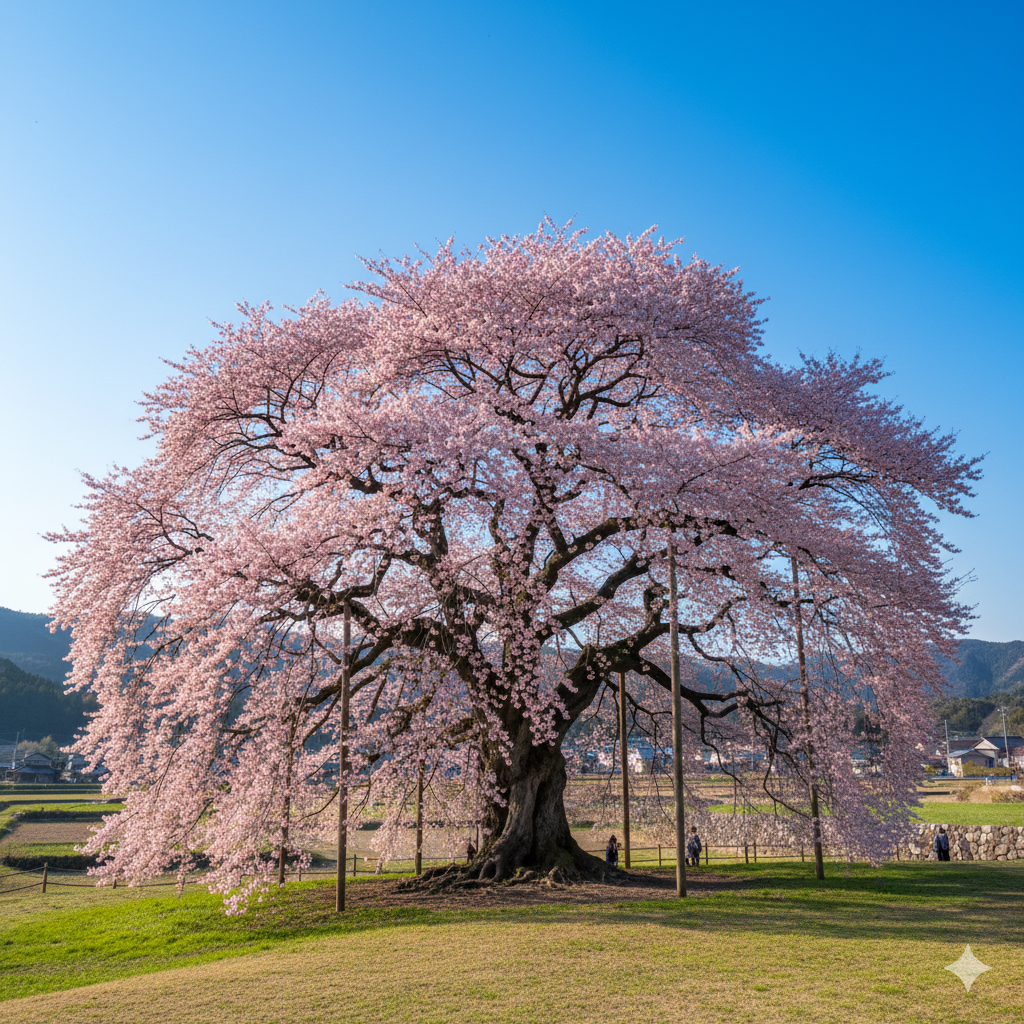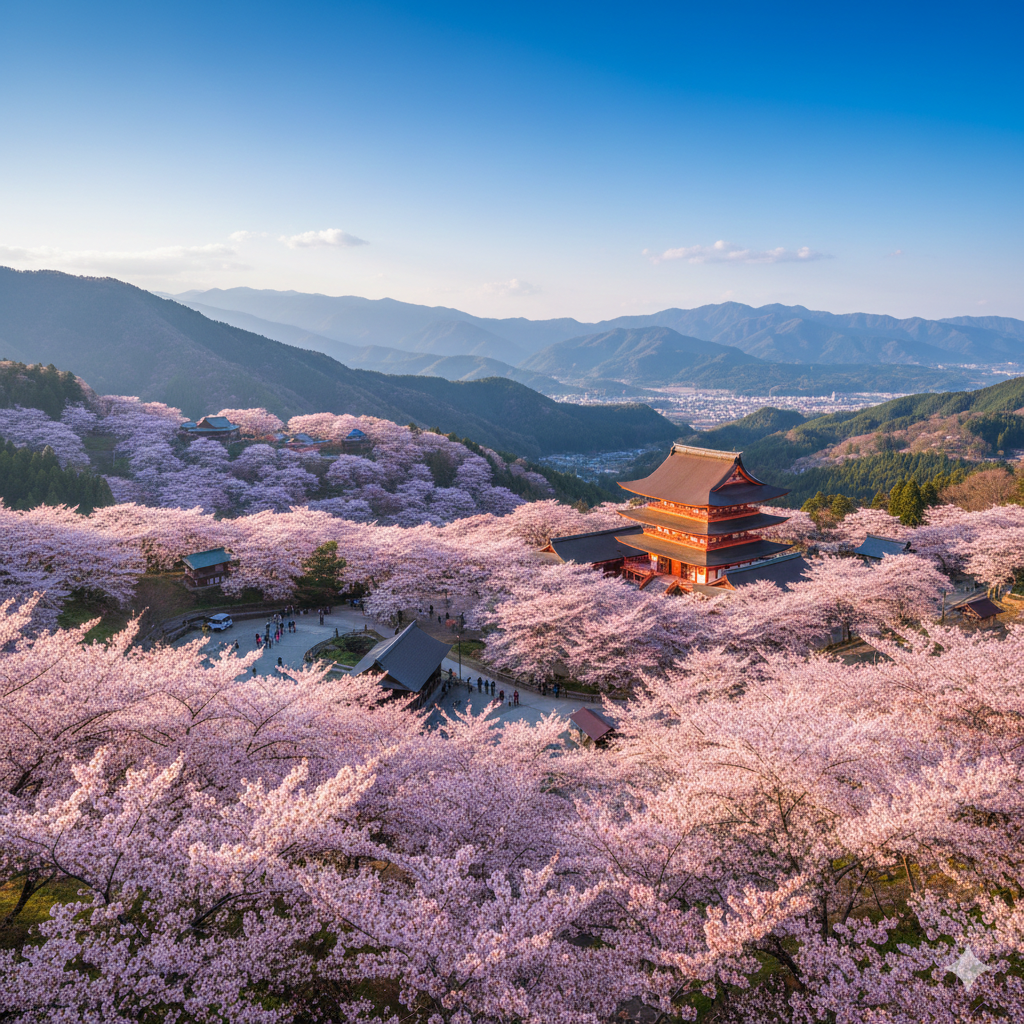
There is a Japanese phrase, Hitome Senbon, which literally translates to “a thousand trees at a single glance.” At Yoshinoyama in Nara, this isn’t a poetic exaggeration—it’s a promise.
While Tokyo and Kyoto offer beautiful parks, Yoshinoyama offers an entire mountain. For over 1,300 years, pilgrims and locals have planted Yamazakura (wild cherry trees) as sacred offerings. Today, over 30,000 trees blanket the slopes, creating a spectacle so grand it has been designated a UNESCO World Heritage site.
But here is the challenge: the mountain is divided into four distinct areas, each at a different altitude. If you arrive at the bottom when the peak is at the top, you’ll see only green leaves. As a local guide, I’m here to help you navigate the “climb” to ensure you stand in the middle of those pink clouds.
The Four Stages: Chasing the Peak
Unlike city parks where the blossoms bloom all at once, Yoshino’s season lasts nearly three weeks because the flowers “travel” up the mountain as the weather warms.
- Shimo Senbon (The Base): Near Yoshino Station. This is the first to bloom (usually late March/early April). Great for a quick look, but usually the most crowded.
- Naka Senbon (The Middle): This is the heart of the town and home to the massive Kinpusen-ji Temple. The view from the Yoshimizu Shrine here is the famous “Hitome Senbon” view.
- Kami Senbon (The Upper): This is where the air gets crisper and the views become panoramic. The Hanayagura Observatory here offers the most iconic “postcard” shot of the temple roofs floating in a sea of pink.
- Oku Senbon (The Deep Mountain): The quietest and highest. It blooms last (often mid-April), offering a peaceful, spiritual atmosphere far from the souvenir shops.
The Spiritual Root: Why These Trees are Sacred
Most visitors don’t realize that the sakura here aren’t just for decoration. In the 7th century, the founder of Shugendo (mountain asceticism) carved a deity into a cherry wood log. Since then, the trees have been treated as “God trees.”
When you visit Kinpusen-ji Temple, look at the massive pillars. You are standing in the spiritual center of the mountain. I always tell my guests: Don’t just take photos; listen to the chanting of the monks. It adds a layer of soul to the beauty that you won’t find at a festival in Shinjuku.
Strategy: How to Survive the Crowds
Yoshino is world-famous, which means it gets busy. To have a “Japanar” experience, follow these rules:
- The Early Train: Take the Kintetsu Limited Express from Osaka Abenobashi Station. Book your “Blue Symphony” or “Sakura Liner” tickets weeks in advance—these trains are experiences in themselves.
- The “Top-Down” Method: Don’t walk up. Take the shuttle bus or ropeway from the station straight to the Kami Senbon area. Then, spend your day walking downhill back to the station. Your knees will thank you.
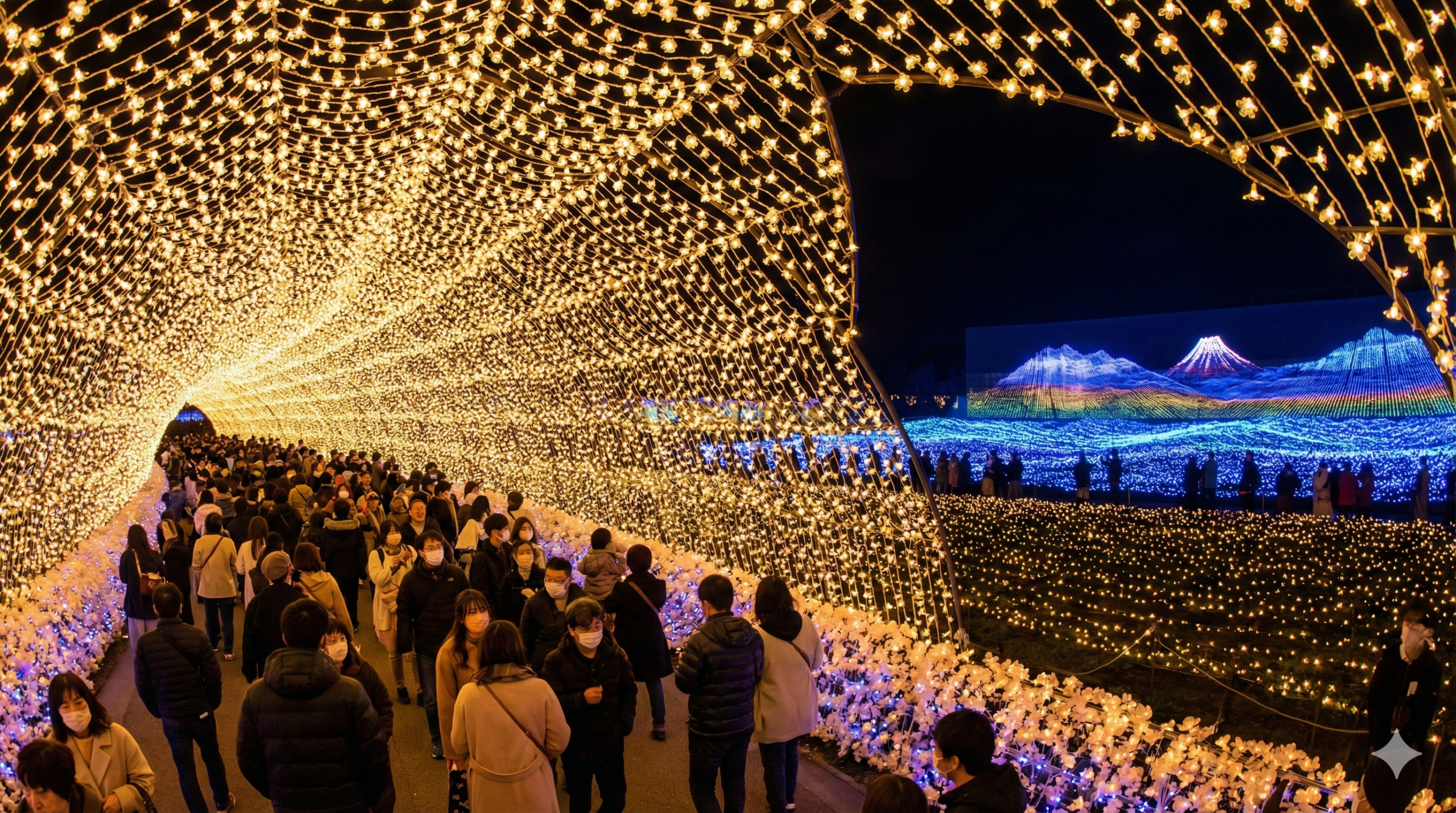
- The Night Illumination: If you can stay until 6:00 PM, the Shimo and Naka areas are lit up. The mountain becomes silent, and the trees glow with an ethereal, ghostly beauty.
Pro Tip: The “Kakinoha-zushi” Picnic
You’ll see many shops selling small wooden boxes wrapped in leaves. This is Kakinoha-zushi (persimmon leaf-wrapped sushi), a Nara specialty. The leaf has antibacterial properties, making it the original “traveler’s lunch.” Buy a box in the Naka Senbon area and find a quiet bench overlooking the valley. It is the most authentic way to eat in Yoshino.
Conclusion
Yoshinoyama is not a place you visit; it is a place you experience. It is a slow-motion explosion of pink that has captivated emperors and poets for a millennium. Whether you hike to the very top or simply sit with a box of sushi near the temple, you are participating in a 1,300-year-old tradition.
The thousand trees are waiting for you. Just remember to look up.
Would you like me to find the specific 2025 blooming forecast for each of the four levels, or perhaps help you book a stay at a traditional Ryokan on the mountainside?

👇 Sign up here 👇
https://japaner-guide.com/
Make your trip to Japan more fun and meaningful!