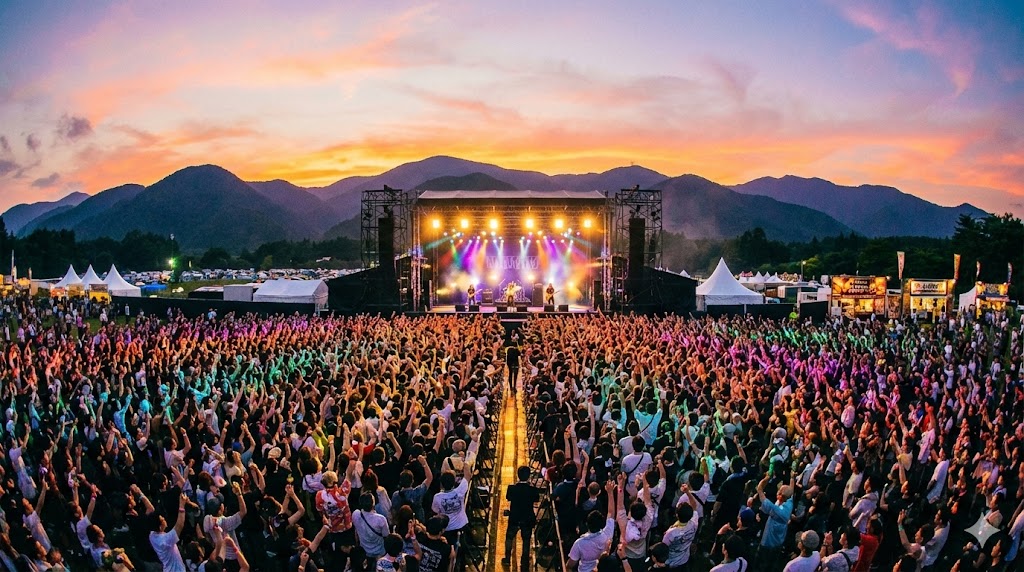
A Tactical Guide to Fuji Rock, Summer Sonic, and the High-Energy Circuit
For the music enthusiast, summer in Japan is defined by a distinct choice: do you head to the mist-shrouded mountains of Niigata for a wilderness retreat, or do you embrace the neon-lit, urban intensity of Tokyo and Osaka? To dive into Japan summer music festivals is to witness a unique intersection of global headliners and Japanese “Omotenashi” (hospitality). From the legendary mud of Naeba to the air-conditioned convenience of Chiba, these festivals are masterclasses in logistics, community, and acoustic perfection.
The Great Rivals: Fuji Rock vs. Summer Sonic
- Fuji Rock Festival (Naeba Ski Resort): Despite its name, it hasn’t been near Mt. Fuji since 1997. It is now held in the lush, green mountains of Niigata. This is a “lifestyle” festival. It is about camping, trekking between stages in the forest, and coexisting with nature. The atmosphere is bohemian, eco-conscious, and notoriously rainy.
- Summer Sonic (Tokyo & Osaka): This is a dual-city urban festival. The lineup is shared between the two cities over two days. In Tokyo (held in Chiba), much of the action is inside the massive Makuhari Messe, providing a rare commodity in the Japanese summer: air conditioning. It is fast-paced, high-tech, and easily accessible from the city center.
The Cultural Nuances of the Japanese Crowd
Unlike Western festivals, Japanese crowds are famous for their discipline and cleanliness.
- The “Towel” Culture: Every festival-goer carries a “Muffler Towel.” It is used for wiping sweat, shielding the neck from the sun, and—most importantly—whirling in the air during high-energy anthems.
- Rubbish Management: These festivals are some of the cleanest in the world. Volunteers and attendees alike take pride in a “Zero Waste” policy, meticulously sorting every scrap of plastic and paper.
- The Silent Appreciation: Don’t be surprised by the intense silence between songs. This isn’t a lack of energy; it is a profound sign of respect for the artist’s next words.
Tactical Strategy for the Festival Campaign
- Gear for the Elements: For Fuji Rock, high-quality rain gear and comfortable trekking boots are non-negotiable. For Summer Sonic, the goal is “Salt Management”—electrolytes and light, breathable clothing to survive the transition between the indoor stages and the outdoor stadium.
- The Logistics of Choice: Fuji Rock requires a 90-minute Shinkansen ride followed by a shuttle bus. Summer Sonic in Tokyo is a simple 30-minute train ride. Plan your accommodation months in advance, as hotels in Niigata and Chiba sell out the moment the first headliner is announced.
- Electronic Payments: While Japan is often cash-reliant, festivals are increasingly “Cashless.” Top up your Suica or Pasmo card, as these are the primary methods for buying food and merchandise on-site.
Navigate the Rhythm with Japaner
Securing tickets via Japanese lottery systems and arranging camping gear or mountain shuttles can be a daunting barrier.
Japaner matches you with professional, human interpreter-guides living in Japan who are veterans of the festival circuit. A guide from Japaner can assist with the complex ticket purchasing process, manage your transport to the remote Naeba mountains, and ensure you find the best “festival food” while helping you navigate the unique social etiquette of the Japanese crowd. Experience the peak of the Japanese music scene with a professional by your side.
Make your Japan trip exciting with 『Japaner Guide』
Japaner Guide is a personal guide matching service that connects you with local guides to explore destinations across Japan.

Even if you’re traveling alone and feeling unsure, you can enjoy Japan with confidence and peace of mind👍

From famous tourist attractions to hidden local gems, we customize your journey to perfectly match your interests!

👇 Sign up here 👇
https://japaner-guide.com/
Make your trip to Japan more fun and meaningful!