During my five years living in Japan, I developed a genuine obsession with vending machines. What started as simple curiosity turned into a daily ritual that taught me so much about Japanese culture, innovation, and the beautiful balance between convenience and quality. Having traveled extensively across all 47 prefectures and documented over 500 unique vending machines for my travel blog, I am excited to share everything I have learned about this fascinating aspect of Japanese daily life.
Japan is home to approximately 5.4 million vending machines nationwide, which works out to roughly one machine for every 30 people. This is the highest vending machine density in the world, and these ubiquitous machines have become an essential part of Japanese daily life.
Why Japan Has So Many Vending Machines
The prevalence of vending machines in Japan is not accidental. Several cultural and practical factors have made these machines indispensable to Japanese society.
First, Japan remarkably low crime rate means that machines can operate safely 24/7 virtually anywhere without fear of vandalism or theft. During my years living in Tokyo and traveling to remote rural areas, I never once saw a damaged or broken-into machine.
Second, Japanese culture values efficiency and clear, simple service procedures. Vending machines offer certainty – you insert money, press a button, and receive exactly what you expected.
Third, the Japanese appreciation for convenience is legendary. With machines available around every corner offering everything from hot coffee to fresh noodles, it is no wonder they have become such an integral part of daily life.
The Hot and Cold Drink Revolution
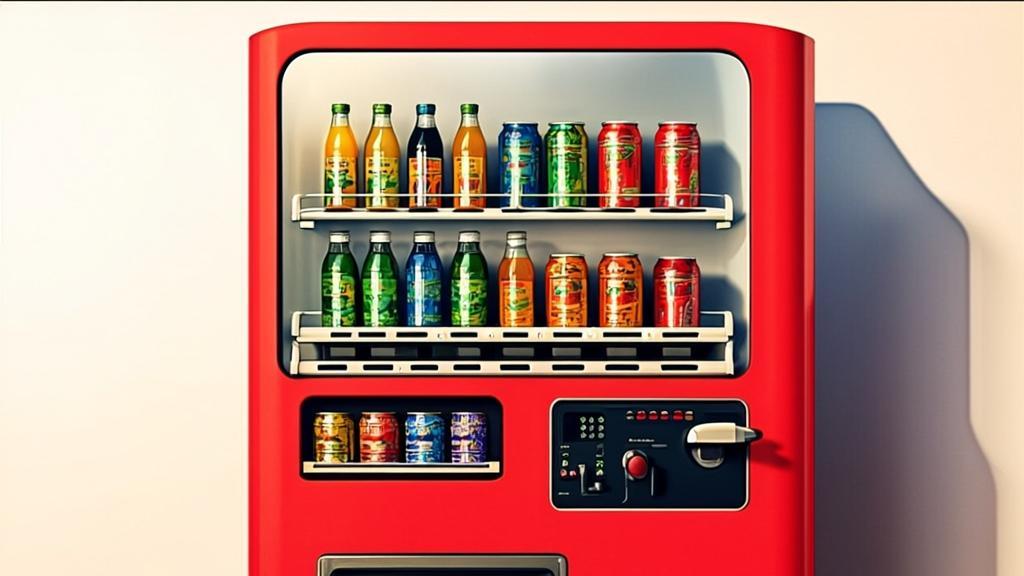
One of the most brilliant innovations in Japanese vending machine history is the hot and cold drink machine. This seemingly simple feature has transformed the way Japanese people enjoy beverages throughout the seasons.
The story behind this innovation is fascinating. In 1969, Pokka Corporation founder Tanigari Toshikage was driving on the newly opened Meishin Expressway when he stopped at a service area for coffee. He had to wait 30 minutes in line, and he noticed truck drivers shivering while drinking cold beverages in winter. This experience inspired him to develop both a canned coffee that could be served hot or cold and a vending machine capable of dispensing both temperature options.
After four years of development, the world first hot-and-cold vending machine was completed in 1973. Today, modern machines maintain precise temperatures: hot drinks at 55 degrees Celsius (131 degrees Fahrenheit), room temperature drinks at 20 degrees Celsius (68 degrees Fahrenheit), and cold drinks at 5 degrees Celsius (41 degrees Fahrenheit).
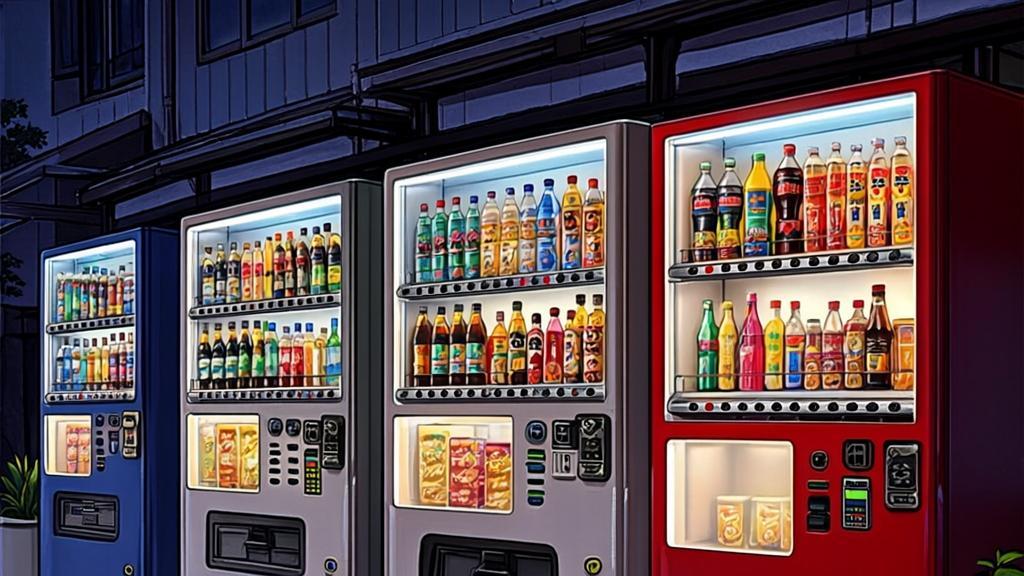
The color coding system is simple but brilliant. Look for blue labels for cold drinks, and red labels for hot drinks. During winter, I particularly love grabbing a hot canned corn soup or sweet coffee while waiting for the train.
Unique Vending Machines You Must Try
Food and Meal Vending Machines
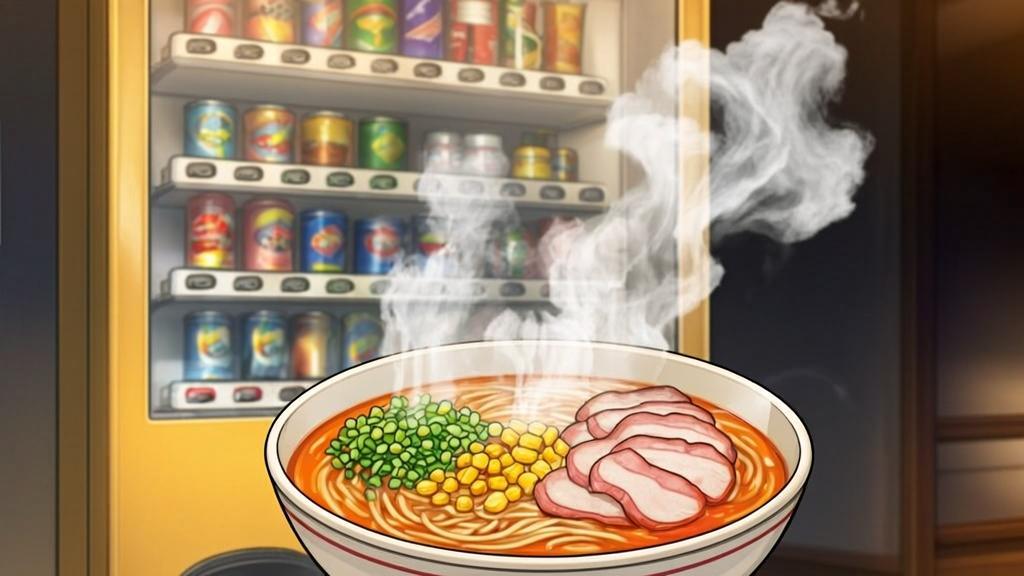
The variety of food available through Japanese vending machines is truly astounding. During my travels, I have encountered machines selling everything from hot ramen and curry rice to fresh pizza that bakes in five minutes.
In Tokyo, I once found a curry vending machine in Asakusa near a specialty shop called Curry Land. This incredible machine sold 15 different curry retort pouches from across Japan, each priced between 300 and 700 yen.
Udon and soba noodle vending machines are also worth seeking out. These machines heat up fresh noodles instantly with steam, delivering a surprisingly decent bowl of noodles for around 200-300 yen.
Fresh Product Vending Machines
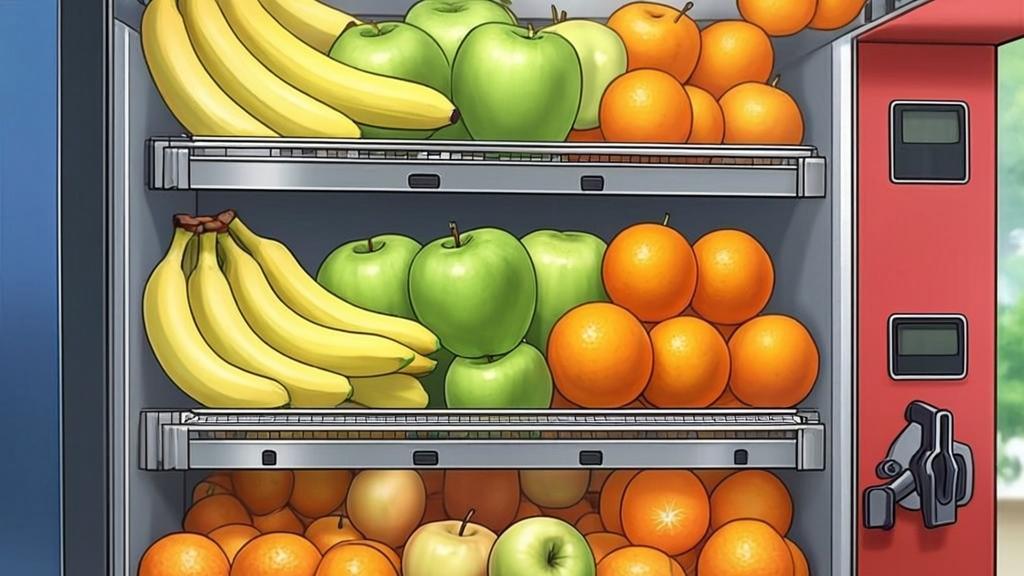
One of my favorite discoveries was the banana vending machine. Yes, you can buy single bananas from vending machines in Japan, perfect for a quick healthy snack. In Hyogo prefecture, I found egg vending machines selling farm-fresh eggs with proper refrigeration.
Perhaps the most surprising was the apple vending machine I encountered, which uses vitamin C to prevent oxidation and keep the apples fresh. There are even vegetable machines offering fresh lettuce and other produce 24/7.
Specialty and Quirky Machines
Japan takes vending machines to a whole new level with specialty options. At Haneda Airport, you will find Japan first latte art vending machine that creates decorative patterns on your coffee. In Osaka, I discovered a 10-yen vending machine, one of the cheapest in Japan.
For those feeling adventurous, look for mystery vending machines where drinks are wrapped, and you do not know what you will get until you buy it. I once got a can of BBQ sauce instead of coffee from one of these machines.
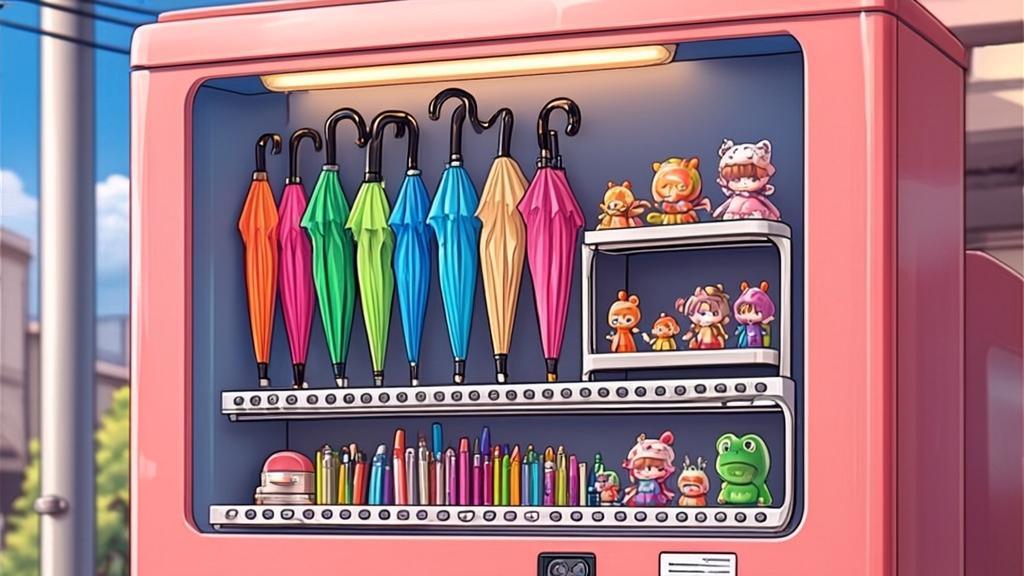
Other quirky finds include umbrella machines (common at train stations for sudden rain), tie machines for salarymen needing quick replacements, and even vending machines selling Buddhist prayer beads and amulets near temples.
Regional Specialties
One of the most exciting aspects of Japanese vending machines is how they reflect local culture and products. Each region has its own specialties available through vending machines.
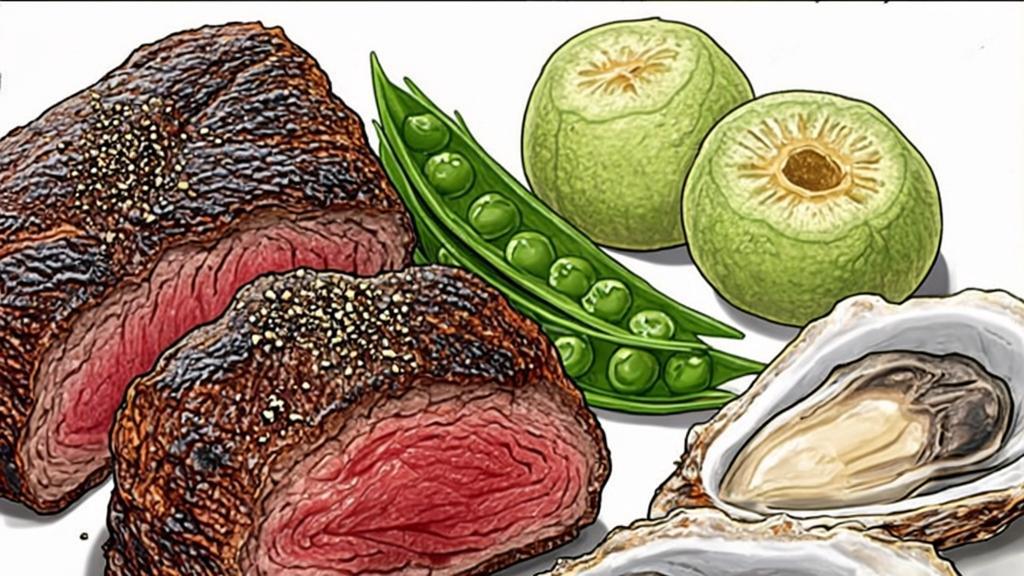
In Hokkaido, I found crab vending machines and rice vending machines offering eight different types of rice with cooling systems. Fukuoka is famous for mentaiko (spicy cod roe) machines, while Shizuoka offers eel vending machines. Hiroshima has oyster vending machines, and in Kumamoto, you might find horse sashimi machines.
These regional machines offer a unique way to sample local specialties without visiting restaurants or specialty shops. They are perfect for budget-conscious travelers who want to experience local flavors.
Essential Tips for Tourists
Payment Methods
Understanding how to pay at Japanese vending machines will make your experience much smoother. For cash payments, insert coins first (10, 50, 100, and 500 yen coins work best) or 1,000 yen bills, then select your product. Note that 1 yen and 5 yen coins are not accepted, and 5,000 and 10,000 yen bills are usually not accepted either.
For IC cards like Suica or Pasmo, select your product first, then tap your card on the reader. This is my preferred method as it is quick and convenient.
Cultural Etiquette
Japanese vending machine etiquette is simple but important. Do not crowd behind someone while they are making a purchase – give them space. It is customary to drink your beverage near the machine and dispose of the bottle in the recycling bin provided.
Many machines display their address, which can be helpful if you are lost or in an emergency. For alcohol and tobacco machines, be prepared for age verification – these require a Taspo card or ID.
Finding Unique Machines
The best unique and cheapest machines are often hidden in side alleys away from main streets. Look for 100 yen or One Coin Happiness labels indicating discount machines. Don Quijote stores often have quirky vending machines inside, and exploring near temples, parking lots, and residential areas can yield surprising discoveries.
The Photogenic Side of Vending Machines
One of the most poetic aspects of Japanese vending machines is how they look at night. Photographers from around the world come to capture the image of vending machines glowing in remote snowy areas, creating a uniquely Japanese aesthetic that represents both loneliness and warmth.
These machines often continue functioning even when buried in snow, a testament to Japanese engineering and reliability. I have spent countless winter evenings photographing these glowing beacons of convenience in rural areas.
Why You Should Experience Japanese Vending Machines
Exploring Japanese vending machines has become a tourist attraction in itself. Each machine is like a treasure box of novelty, offering unexpected surprises and a window into Japanese innovation and convenience culture.
Whether you are grabbing a hot coffee on a cold winter morning, discovering a regional specialty, or simply marveling at the variety available at 3 AM, Japanese vending machines offer experiences you will not find anywhere else in the world.
They embody so much of what makes Japan special: the attention to detail, the pursuit of convenience without sacrificing quality, and the beautiful integration of technology into daily life.
Conclusion
Japanese vending machines are far more than convenient dispensers of drinks and snacks. They are a cultural phenomenon that offers visitors a unique window into Japanese society, values, and innovation. From the ubiquitous hot and cold drink machines to the quirky regional specialties, these machines deserve a place on any Japan itinerary.
During my years exploring Japan, I have come to see vending machines as silent ambassadors of Japanese culture, always ready to serve with reliability and precision. Whether you are a first-time visitor or a seasoned Japan traveler, take time to explore these remarkable machines. You never know what treasures you might find.
Ready to plan your own Japanese vending machine adventure? Visit our comprehensive travel guides at Japaner Guide to discover more hidden gems and cultural experiences waiting for you in Japan.