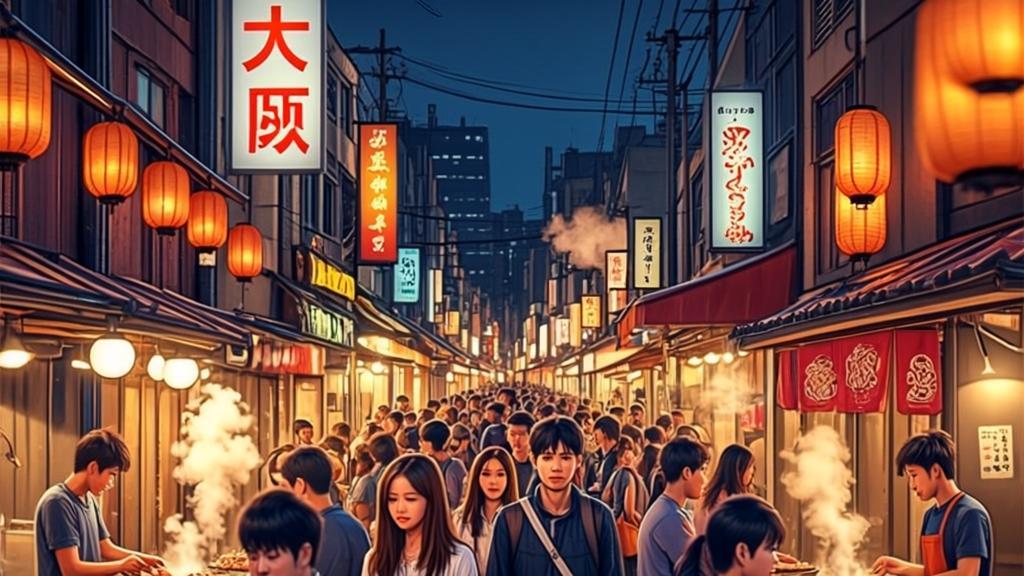
When I first stepped off the train at Tsuruhashi Station in Osaka, I was immediately hit with an irresistible aroma. The smoky, savory scent of grilling meat filled the air, and I knew I had arrived somewhere special. Welcome to Tsuruhashi, home to Japan’s largest Koreatown and arguably the best place to experience authentic Korean food outside of Korea itself.
If you’re planning a trip to Osaka and wondering where to find the most delicious Korean cuisine, let me take you through everything I discovered during my multiple visits to this incredible neighborhood. From hidden alleyway restaurants to bustling market stalls, I’ve explored every corner of this food lover’s paradise.
What Makes Tsuruhashi Special
Tsuruhashi is located in Osaka’s Ikuno-ku district and has the highest concentration of Korean residents in all of Japan. What started as a community for Korean immigrants has evolved into a vibrant cultural destination that draws food lovers from across the country and around the world.
The moment you cross the elevated tracks near the station, you’ll feel like you’ve been transported to Seoul. Korean shops and restaurants line the narrow streets, Korean pop music plays from storefronts, and the energy is absolutely electric. This isn’t a tourist trap designed to look Korean – this is the real deal, a living, breathing community with deep roots.
The area is home to approximately 800 shops and restaurants, ranging from tiny food stalls to established restaurants that have been serving customers for generations. Many of these establishments are run by Korean families who have passed down their recipes through the years, preserving authentic flavors and cooking techniques.
During my visits, I’ve had the pleasure of speaking with several restaurant owners who shared stories about their grandparents starting these businesses decades ago. Their pride in maintaining authentic Korean cooking methods while adapting to local Japanese ingredients is evident in every dish they serve.
Getting to Tsuruhashi
One of the things I love about Tsuruhashi is how accessible it is. The station sits right on the JR Osaka Loop Line, making it incredibly easy to reach from anywhere in the city. If you’re coming from Osaka Station or Umeda, you’re looking at about a 15-minute train ride. From Tennoji, it’s even shorter.
You can also access Tsuruhashi via the Kintetsu Osaka Line, which stops at a separate platform but connects seamlessly to the JR station. This makes it convenient if you’re coming from other parts of the Kansai region, including Nara.
The main Koreatown area is just a 3 to 10-minute walk from the station, depending on which part you want to explore. The beauty of this compact layout is that you can easily wander from one spot to another without needing to plan an elaborate route.
I recommend starting at the station and simply following your nose. The aroma of grilling meat and bubbling stews will guide you to the best spots.
Exploring Tsuruhashi Market
Your first stop should be the Tsuruhashi Market, located right next to the station. This covered shopping arcade is where you’ll find a fascinating mix of Korean groceries, fresh ingredients, and prepared foods.
Walking through the market, I was amazed by the variety of items on offer. Massive jars of homemade kimchi sit alongside Korean spices, sauces, and condiments. You’ll find salted fish, dried seaweed, and all the ingredients you need to cook Korean food at home. The ajummas (Korean middle-aged women) who run many of these stalls are incredibly knowledgeable and often happy to share cooking tips if you ask.
But what really caught my attention were the food stalls. Vendors sell ready-to-eat Korean street foods like kimbap (Korean sushi rolls), tteokbokki (spicy rice cakes), and hotteok (sweet filled pancakes). It’s the perfect place to grab a quick snack while you explore.
The market also sells traditional Korean items like bedding, clothing, and even K-pop merchandise. It’s a one-stop shop for experiencing Korean culture in the heart of Osaka.
On my most recent visit, I spent nearly an hour just browsing the spice stalls, discovering ingredients I’d never seen before. The vendors were patient in explaining how to use various gochujang (red pepper paste) varieties and recommended specific brands for different dishes.
Must-Try Korean Foods in Tsuruhashi
Let me tell you about the foods you absolutely cannot miss when visiting Tsuruhashi. I’ve tried countless dishes over my visits, and these are the ones that keep me coming back.
Yakiniku and Korean BBQ
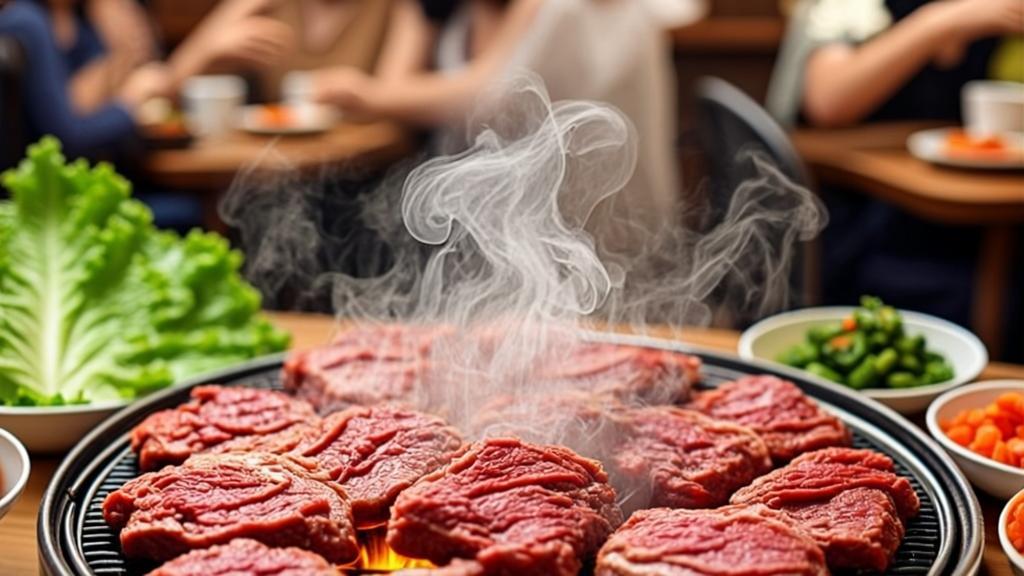
The undisputed king of Tsuruhashi cuisine is yakiniku, or Korean-style grilled meat. This is what draws most visitors to the area, and for good reason. The quality of the meat here is exceptional, with many restaurants offering premium cuts of wagyu beef alongside more affordable options.
What sets Tsuruhashi yakiniku apart is the atmosphere. Picture yourself sitting at a table with a charcoal grill in the center, surrounded by the sizzling sounds and mouthwatering smells of cooking meat. You grill your own beef, pork, and horumon (offal) to your exact liking, then wrap it in fresh lettuce leaves with ssamjang sauce, garlic, and kimchi.
Some of the most popular yakiniku spots include Tsuruhashi Fugetsu Honten, which is located just 144 meters from the station, and Yakiniku Tsuruhashi Gyuchan. For a premium experience, try Yamato Yakiniku Yamatoku, which is less than 100 meters from the station entrance.
My personal favorite experience was at a small, family-run place tucked away in a side street. The grandmother was still in the kitchen preparing the side dishes while her son managed the grill. The meat was exceptional, but it was the homemade banchan (side dishes) that made the meal unforgettable.
Samgyeopsal
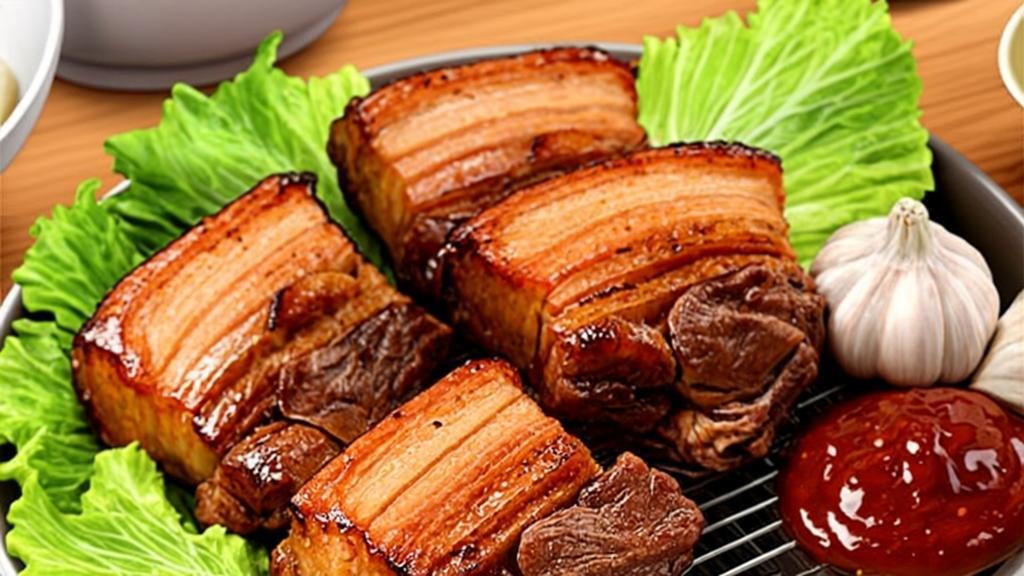
If you prefer pork over beef, samgyeopsal (grilled pork belly) is a must-try. Thick slices of fatty pork belly are grilled until the edges are crispy and caramelized, then wrapped in lettuce with garlic, green onions, and spicy dipping sauces. It’s rich, flavorful, and incredibly satisfying.
The best samgyeopsal I had in Tsuruhashi came with a variety of ssam (wrapping) options – not just lettuce, but also perilla leaves and even steamed cabbage. The restaurant also served five different dipping sauces, each adding a unique dimension to the dish.
Horumon
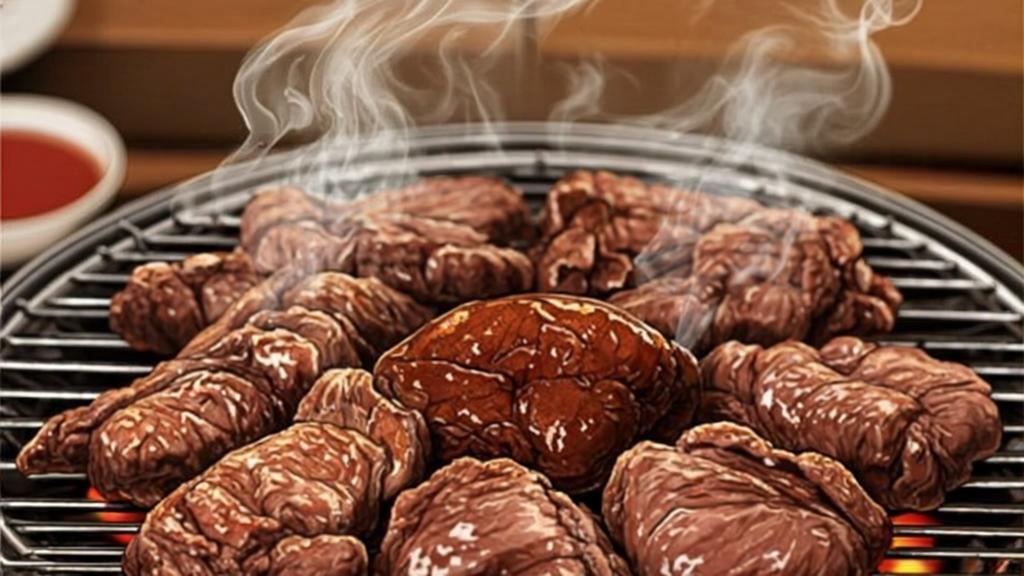
Horumon refers to grilled offal, and it’s a specialty of the Tsuruhashi area. Don’t let the idea of eating offal scare you away. When prepared correctly, horumon is tender, flavorful, and packed with umami. Popular options include intestine, liver, and heart, each with its own unique texture and taste.
My recommendation for first-timers is to start with harami (skirt steak) and tecchan (large intestine). These cuts are more approachable and will give you a sense of what makes horumon so beloved in Osaka.
Korean Soups and Stews
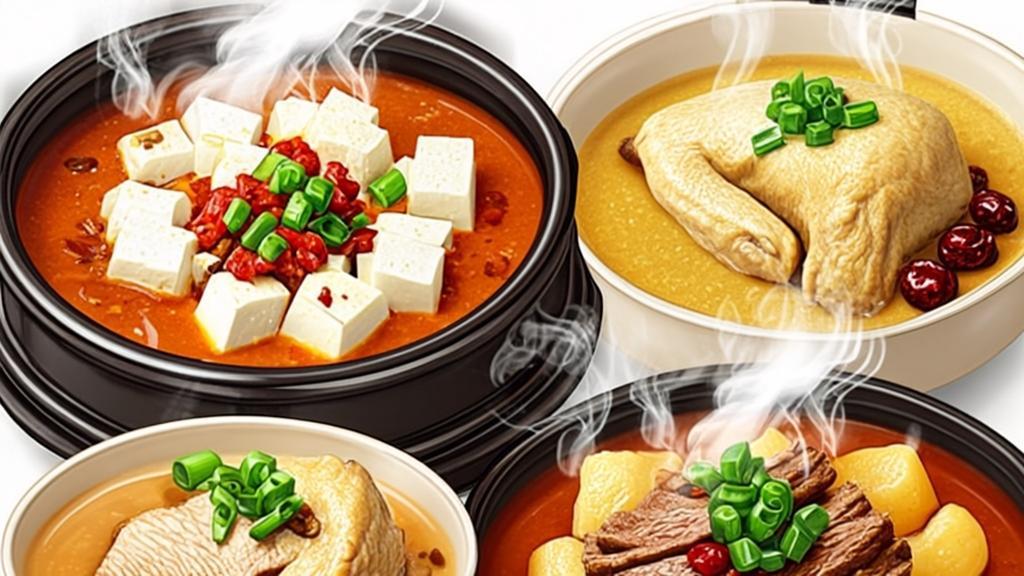
Beyond grilled meats, Tsuruhashi offers an excellent selection of Korean soups and stews. During my visits, I fell in love with gamjatang, a hearty potato bone soup with tender meat falling off the bone. It’s comfort food at its finest, perfect for chilly days or when you need something warming and nourishing.
Sundubu-jjigae, or soft tofu stew, is another favorite. Served in a hot stone pot with a raw egg cracked on top, it’s silky, spicy, and deeply satisfying. Samgyetang, ginseng chicken soup, is also widely available and is said to have health-boosting properties.
One evening, I stumbled into a small restaurant that specialized in gamjatang. The owner, an elderly Korean woman, insisted I try her special recipe that included perilla seeds. It was unlike anything I’d tasted before – nutty, rich, and incredibly satisfying.
Korean Street Food
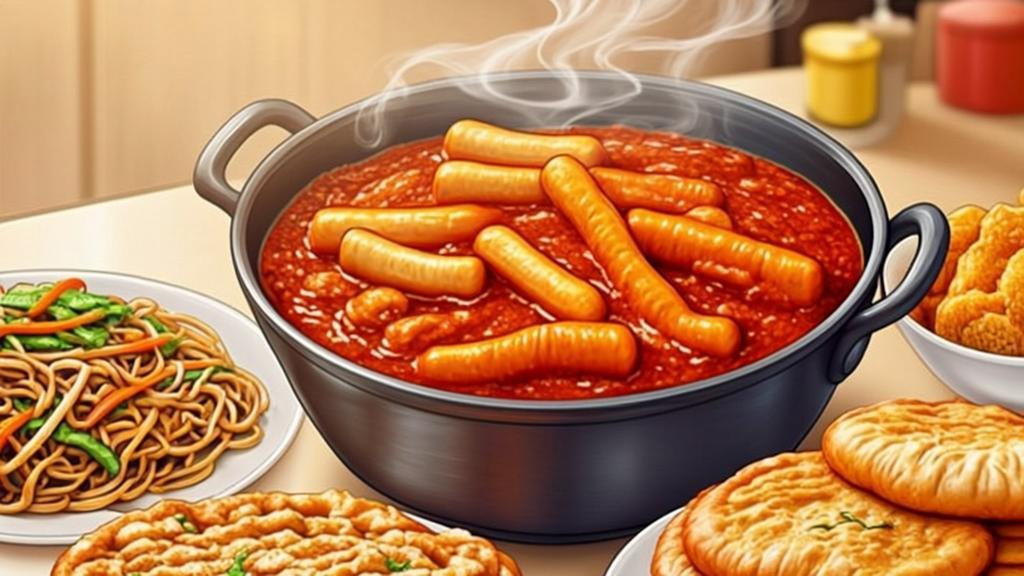
The streets of Tsuruhashi are lined with vendors selling classic Korean street foods. Tteokbokki, chewy rice cakes smothered in a sweet and spicy sauce, is everywhere and costs just a few hundred yen. Japchae, glass noodles stir-fried with vegetables and beef, makes for a filling snack or light meal.
Pajeon, a savory Korean pancake loaded with seafood and green onions, is perfect for sharing. Pair it with some makgeolli (Korean rice wine) for a classic combination that locals have enjoyed for generations.
Don’t miss the hotteok stands, especially in cooler weather. These sweet pancakes filled with brown sugar, honey, and nuts are absolutely divine when fresh off the griddle.
The Miyako-dori Shopping Street
About a 15-minute walk from the station, you’ll find the Miyako-dori Shopping Street, which forms the heart of Koreatown. This is where the neighborhood’s Korean identity really shines.
The street is lined with Korean restaurants, cafes, and shops selling everything from cosmetics to K-pop merchandise. It’s a great place to wander, sample different foods, and pick up souvenirs. The energy here is younger and more modern than the market near the station, with trendy cafes and Instagram-worthy spots mixed in with traditional establishments.
I spent an afternoon here browsing K-pop shops with my daughter, who was thrilled to find merchandise she couldn’t get anywhere else in Japan. The shop owners were incredibly helpful, helping us navigate the latest releases and even recommending cafes where we could rest our feet.
Best Time to Visit Tsuruhashi
While Tsuruhashi is lively throughout the day, I strongly recommend visiting in the evening. After 6 PM, the area transforms. The grills fire up in earnest, the smell of cooking meat becomes intoxicating, and the streets fill with locals and tourists alike looking for dinner and drinks.
There’s something magical about walking through Tsuruhashi at night. The neon signs glow, the sounds of sizzling meat and clinking glasses fill the air, and you feel like you’ve stumbled upon one of Osaka’s best-kept secrets.
For lunch, the area is also bustling, with many restaurants offering affordable lunch sets starting around 1,000 to 1,500 yen. It’s a great way to try Korean food without breaking the bank.
I’ve visited during both lunch and dinner hours, and each has its own charm. Lunch is more relaxed, with office workers grabbing quick meals and families shopping in the market. Dinner is more festive, with groups of friends and colleagues enjoying drinks alongside their barbecue.
Practical Tips for Your Visit
From my experiences in Tsuruhashi, here are some tips to make the most of your visit.
First, bring cash. While many restaurants accept credit cards, some of the smaller shops and food stalls only take cash. There are ATMs in the area, including at convenience stores, but it’s always easier to have yen on hand.
Second, explore the side streets. Some of the best restaurants and food stalls are hidden in the back alleys off the main shopping streets. Don’t be afraid to venture down a narrow lane that catches your eye. Some of my most memorable meals came from tiny establishments with no English signage.
Third, come hungry. Portions in Tsuruhashi are generous, and you’ll want to try as many different dishes as possible. Skip breakfast and pace yourself throughout the day.
Fourth, consider making reservations for dinner. The most popular yakiniku restaurants can get crowded, especially on weekends. Many places offer online booking or will take reservations by phone. If you don’t speak Japanese, your hotel concierge can often help.
Finally, be open to trying new things. Korean cuisine goes far beyond barbecue, and you might discover a new favorite dish. Ask the staff for recommendations, and don’t be afraid to point at what other diners are eating.
Budget and Pricing
One of the great things about Tsuruhashi is that it accommodates all budgets. You can grab street food for a few hundred yen, or splurge on premium wagyu at a high-end yakiniku restaurant.
For lunch, expect to pay around 1,000 to 1,500 yen for a filling meal. Many restaurants offer set menus at lunchtime that include soup, rice, and several side dishes alongside your main course.
Dinner at a mid-range yakiniku restaurant typically runs 4,000 to 8,000 yen per person, depending on the quality of meat you order. Premium cuts of wagyu will cost more, but the experience is worth it for special occasions. I’ve splurged on the high-end beef a few times, and it’s always been worth every yen.
Street food and snacks are incredibly affordable, with most items priced between 300 and 800 yen. You could easily make a meal just by grazing through the market stalls.
Nearby Attractions
If you want to combine your Tsuruhashi food adventure with some sightseeing, you’re in luck. Several major Osaka attractions are within easy reach.
Osaka Castle is about 2.2 kilometers away, making it a perfect morning activity before lunch in Tsuruhashi. I’ve done this combination several times – exploring the castle grounds in the morning, then heading to Tsuruhashi for a hearty Korean lunch.
Dotonbori, Osaka’s famous entertainment district, is about 2.6 kilometers away and offers a completely different atmosphere for evening exploration. The contrast between the neon-lit excess of Dotonbori and the authentic, gritty charm of Tsuruhashi is fascinating.
Kuromon Market, known as Osaka’s kitchen, is 2.1 kilometers away and is another excellent food destination. You could easily spend a whole day food-hopping between Kuromon Market and Tsuruhashi.
Tsutenkaku Tower in the Shinsekai district is about 2.7 kilometers away and offers a nostalgic glimpse of old Osaka. The area is famous for kushikatsu (deep-fried skewers), which makes for an interesting contrast with Korean-style fried foods.
Why Tsuruhashi Should Be on Your Osaka Itinerary
I’ve traveled throughout Japan and experienced many different food scenes, but there’s something unique about Tsuruhashi. It’s not just about the food, though the food is exceptional. It’s about the atmosphere, the history, and the sense that you’re experiencing authentic Korean culture in an unexpected place.
This isn’t a polished, touristy version of Korea designed for visitors. It’s a real community with real people serving food they’ve grown up eating. The recipes have been passed down through generations, the shops are run by families who have lived here for decades, and the energy is genuine.
Every time I visit, I discover something new. A hidden restaurant, a different street food vendor, a spice I’ve never tried. The neighborhood rewards repeat visits and curious exploration.
Whether you’re a die-hard fan of Korean cuisine or simply curious to try something new, Tsuruhashi delivers an unforgettable experience. From the sizzle of yakiniku to the chew of tteokbokki, from the warmth of Korean hospitality to the lively market atmosphere, this neighborhood captures everything that makes Korean food culture so special.
So when you’re planning your trip to Osaka, make sure to set aside an evening for Tsuruhashi. Come hungry, bring an open mind, and prepare for one of the best meals of your Japan journey.
Ready to discover more of Japan? Visit Japaner Guide for comprehensive travel resources, local tips, and everything you need to plan your perfect Japanese adventure.