I still remember my first sip of umeshu at a tiny izakaya in Osaka. The bartender, a weathered man in his seventies, poured me a small glass of this golden liquid with a knowing smile. One taste, and I understood why this traditional Japanese plum wine has captured hearts for centuries. After spending years exploring Japan’s drinking culture and visiting numerous breweries from Kyoto to Wakayama, I’ve come to appreciate umeshu as more than just a beverage. It’s a story of tradition, craftsmanship, and the Japanese philosophy of finding beauty in simplicity.
What is Umeshu? Understanding Japan’s Beloved Plum Wine
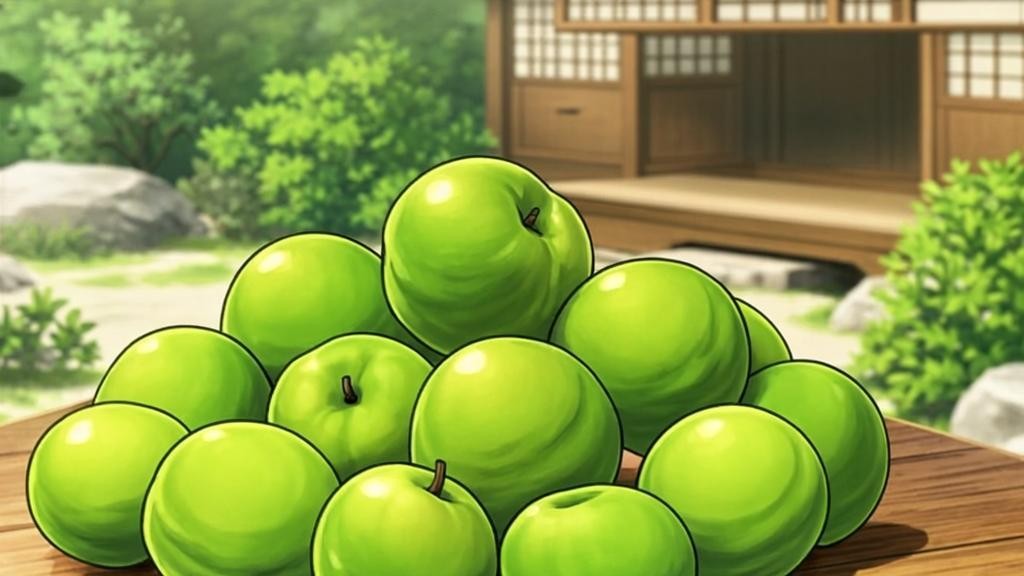
Umeshu (梅酒) is a traditional Japanese liqueur made by steeping green ume fruits—often called Japanese apricots or plums—in distilled spirits with sugar. Despite being commonly referred to as “plum wine” in English, umeshu is technically a fruit liqueur, typically containing 10-15% alcohol by volume. The result is a beautifully balanced drink that combines sweet and tart flavors with an incredibly smooth finish.
What makes umeshu special is its versatility and approachability. Whether you’re a seasoned sake connoisseur or someone who rarely drinks alcohol, umeshu offers something genuinely enjoyable. Its natural sweetness and fruity aroma make it one of Japan’s most popular alcoholic beverages, loved by people of all ages and backgrounds.
The History and Cultural Significance of Umeshu
The story of umeshu stretches back centuries. The earliest written record of umeshu production appeared in 1697 during Japan’s Edo period in a publication called “Honcho Shokukan.” However, the tradition likely existed long before that, with some legends attributing its discovery to the famous warlord Uesugi Kenshin, who supposedly dropped a plum into his sake while drinking.
In Japanese culture, umeshu is often called “grandmother’s taste” (おばあちゃんの味), representing cherished family traditions passed down through generations. Before refrigeration, ume fruits were preserved through pickling and alcohol steeping, making umeshu both a practical preservation method and a beloved family ritual. Every June, when ume fruits are harvested, families across Japan would prepare their annual batch of umeshu, creating bottles dated with that year’s memory.
Interestingly, homemade umeshu was technically illegal until 1962, when Japan’s liquor tax law was revised to officially permit home production. This change led to a boom in fruit liqueur popularity across Japan and contributed to the diverse umeshu culture we see today.

How Umeshu is Made: The Art and Craft
The production of umeshu is surprisingly simple in concept but requires patience and quality ingredients. The basic process involves three main components: green ume fruits, sugar, and a base spirit (typically shochu, sake, or sometimes whisky). The fruits are harvested in June, cleaned, and steeped in the spirit with sugar for several months to several years.
Traditional Production Methods
Traditional umeshu uses shochu (a distilled spirit around 30% ABV) as the base. This method produces the classic umeshu flavor profile that most people recognize. However, premium versions often use sake (10-15% ABV) as the base, which requires longer steeping time—often three or more years—but results in a more delicate and complex flavor.
Some artisanal producers have experimented with aging umeshu in brandy or whisky barrels, creating unique variations with notes of oak, vanilla, and caramel. The Suntory Yamazaki Umeshu, for example, is aged in oak casks, adding layers of complexity that make it perfect for sipping neat.
Best Umeshu Brands to Try in 2024
During my travels across Japan, I’ve had the pleasure of sampling countless umeshu varieties. Here are some of the best brands I’ve encountered, ranging from accessible options to premium bottles worth seeking out.
Accessible and Popular Brands
Choya Umeshu is perhaps the most recognized umeshu brand worldwide, and for good reason. Their classic plum wine offers balanced sweet-tart flavors with a smooth finish. It’s widely available and makes an excellent entry point for newcomers. Choya also produces interesting variations like their Rich and Velvety Umeshu, which has a thicker, more luxurious texture.
Gekkeikan Plum Wine (13% ABV) is another budget-friendly option that doesn’t skimp on quality. With its long-lasting plum flavor and affordable price point, it’s perfect for everyday drinking or for making umeshu cocktails at home.
Kunizakari offers a range of fruit wines, including their classic umeshu along with creative variations like Rose Umeshu and Jasmine Umeshu. These flavored varieties are perfect for those who enjoy floral and aromatic drinks.
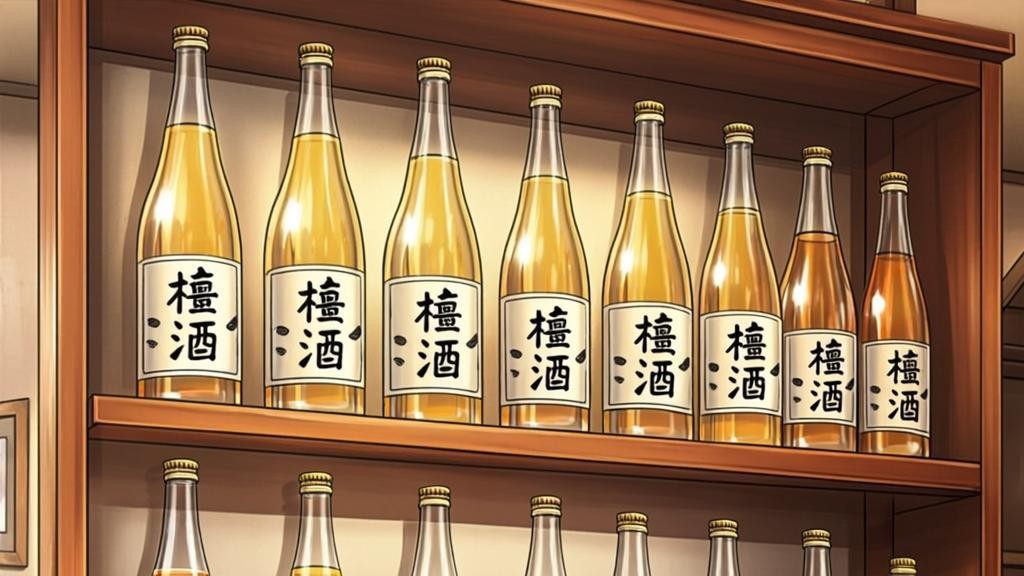
Premium Umeshu for Connoisseurs
For those seeking something special, Banze Rak (万岁乐) Kaga Umeshu is a remarkable choice. Aged 5-15 years, this premium umeshu has been served on ANA first class and at Nobel Prize banquets. Its complex aroma features notes of dried apricot and nuts, with beautifully balanced acidity and sweetness.
Dassai 23 Junmai Daiginjo Umeshu represents the pinnacle of umeshu craftsmanship. Made with premium sake as a base, it offers an elegant sweet-sour balance with a light body and layered complexity. It’s ideal for those who find regular umeshu too sweet.
Hamada Kinpaku Iri Umeshu is a stunning additive-free plum wine that includes genuine gold leaf. It won Monde Selection gold awards from 2008-2010 and makes an impressive gift or special occasion bottle.
Unique Varieties Worth Exploring
The world of umeshu extends far beyond the classic variety. Nigori Umeshu (cloudy plum wine) retains some of the plum pulp, creating a thicker, more textured drink with intense fruit flavors. Shio Ume (salt umeshu) adds a savory element that balances the sweetness beautifully.
Whisky-based umeshu has gained popularity recently, with brands like Matsunitsuru producing bottles at 25% ABV that combine whisky’s complexity with plum’s sweetness. Tea-infused varieties like Chiebijin Koucha Umeshu blend black tea with plum wine for a unique flavor profile.
How to Drink Umeshu: Serving Methods and Cocktails
One of the joys of umeshu is its versatility. There’s no wrong way to enjoy it, but here are the most popular serving methods I’ve encountered in Japan.
Classic Serving Methods
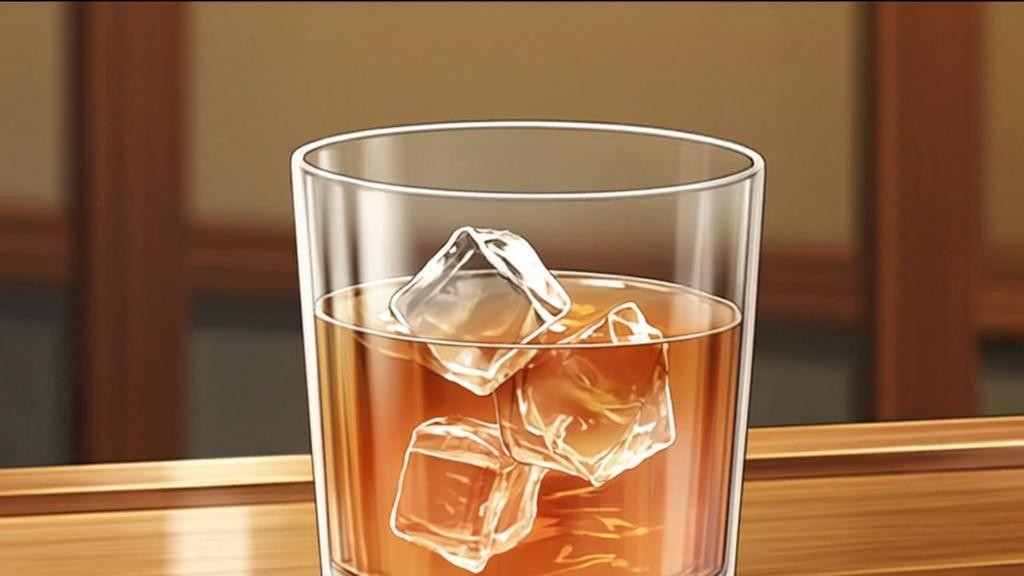
On the Rocks: This is perhaps my favorite way to enjoy premium umeshu. Pour it over a glass filled with ice and sip slowly as it slightly dilutes, releasing more complex aromas.
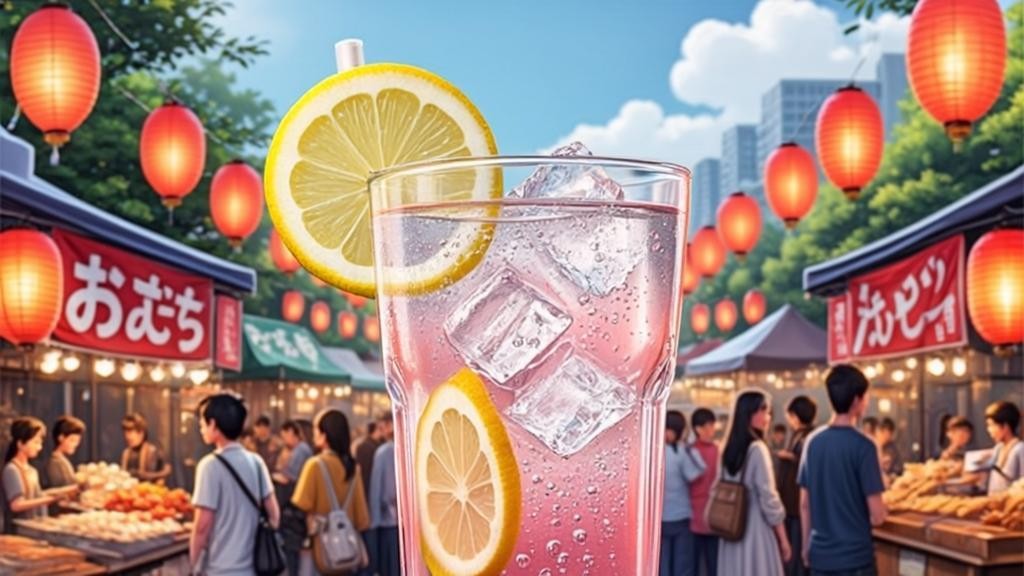
With Soda (Umeshu Soda): The most popular way to drink umeshu in Japanese summers. Mix umeshu with soda water at a 1:1 or 1:2 ratio over plenty of ice. It’s incredibly refreshing and perfect for hot days.
Straight or Neat: For high-quality aged umeshu, serve chilled or at room temperature in a small glass. This allows you to appreciate the full complexity of the drink without dilution.
Warm: Some aged umeshu varieties can be gently heated, especially during winter. This brings out different flavor notes and creates a comforting, warming drink.
Umeshu Cocktail Recipes
Umeshu Tonic: Mix umeshu with tonic water over ice and garnish with a lime twist. The tonic’s bitterness balances the plum’s sweetness beautifully.
White Peach Umeshu Spritzer: Fill a glass with ice, add white peach sparkling water to 90% full, top with umeshu, and garnish with pomegranate seeds. This elegant cocktail is perfect for special occasions.
Lemon Sour with Umeshu: Combine umeshu with shochu, fresh lemon juice, and soda water for a tangy, refreshing drink that’s popular at izakayas across Japan.
Where to Experience Umeshu in Japan
If you’re planning a trip to Japan, experiencing umeshu at its source is unforgettable. Wakayama Prefecture is the heart of ume production in Japan, producing over 60% of the country’s ume fruits. The region is home to numerous breweries where you can taste fresh umeshu and learn about traditional production methods.
Kyoto offers a more refined umeshu experience, with several historic breweries producing premium sake-based umeshu. Many offer tastings and tours where you can sample aged varieties not available elsewhere.
For a casual experience, simply visit any izakaya (Japanese pub) throughout Japan. Umeshu is a staple offering, and most establishments will have at least a few varieties to choose from. Don’t hesitate to ask the staff for recommendations—they’re usually happy to guide you.
Tips for Buying and Storing Umeshu
When shopping for umeshu, consider your preferences. If you enjoy sweeter drinks, look for classic varieties. If you prefer something more complex, seek out aged or sake-based options. The alcohol content typically ranges from 10-15%, though whisky-based varieties can be stronger.
Storage is straightforward—umeshu can be kept at room temperature before opening due to its sugar content. Once opened, store it in the refrigerator and consume within a few months for optimal flavor. Unlike wine, umeshu doesn’t improve significantly with age once bottled, so there’s no need to cellar it.
Final Thoughts: Embracing the World of Umeshu
Umeshu is more than just Japan’s answer to plum wine—it’s a window into Japanese culture, tradition, and the art of finding pleasure in simple things. From its humble origins as a preservation method to its current status as a globally appreciated beverage, umeshu embodies the Japanese philosophy of patient craftsmanship.
Whether you’re sipping it straight from a small ceramic cup at a Kyoto brewery or enjoying an umeshu soda at a summer festival, you’re participating in a tradition that spans generations. And perhaps that’s what makes umeshu truly special—it’s not just a drink, but a story in every glass.
If you’re inspired to explore more of Japan’s incredible food and drink culture, I’d love to help you plan your journey. From hidden izakayas to sake brewery tours, there’s so much more to discover.