I still remember my first visit to Yokohama Chinatown. The moment I stepped through the vibrant Zenrin Gate, I was hit with waves of aromatic scents wafting from countless restaurants and food stalls. That was years ago, and I’ve returned dozens of times since then. As someone who has spent years exploring every corner of Japan’s largest Chinatown, I want to share everything I’ve learned about the incredible food scene here.
Yokohama Chinatown isn’t just the biggest in Japan – it’s actually the largest in all of Asia. With over 500 Chinese shops and restaurants packed into this vibrant neighborhood, knowing where to start can feel overwhelming. That’s exactly why I wrote this guide. Whether you’re craving authentic dim sum, sizzling Peking duck, or street food you can eat while walking, I’ll help you navigate this culinary paradise like a seasoned local.
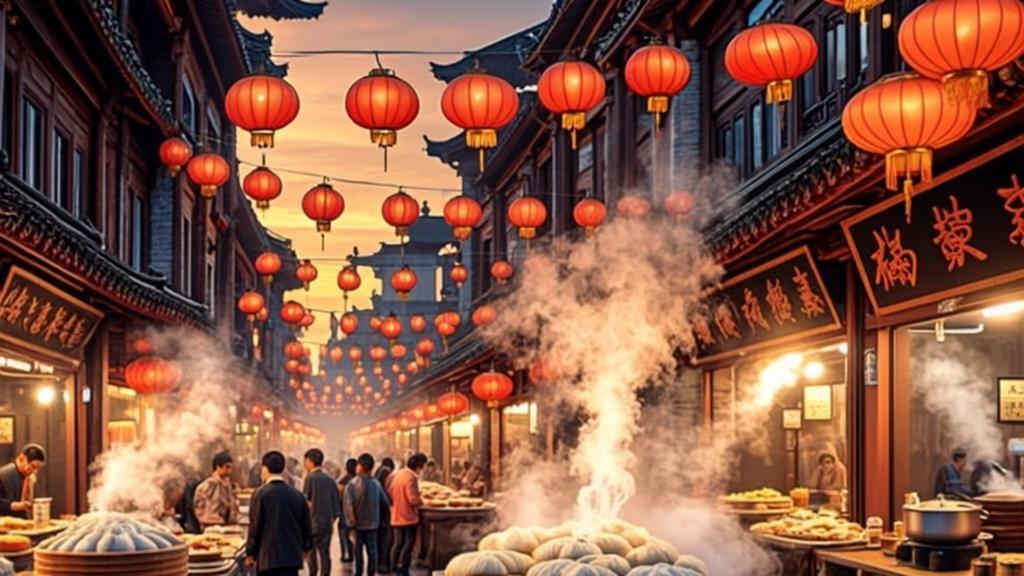
Why Yokohama Chinatown is Special
Before diving into specific dishes and restaurants, let me explain what makes this place unique. Yokohama Chinatown has a fascinating history dating back to 1859 when the port opened to foreign trade. Chinese merchants arrived to work for Western trading companies, and they brought their incredible culinary traditions with them.
What I love about eating here is the incredible variety. You’ll find authentic Cantonese cuisine prepared by chefs from Hong Kong, spicy Szechuan dishes that will make you sweat, delicate Shanghai-style dumplings, and even some Japanized Chinese dishes that you won’t find anywhere else. The best part? You can enjoy everything from budget-friendly street snacks to high-end banquet-style meals.
Must-Try Street Foods
One of my favorite ways to experience Yokohama Chinatown is simply walking around with food in hand. The streets are lined with vendors selling irresistible snacks, and the prices are incredibly reasonable.
Fluffy Steamed Pork Buns (Nikuman/Butaman)
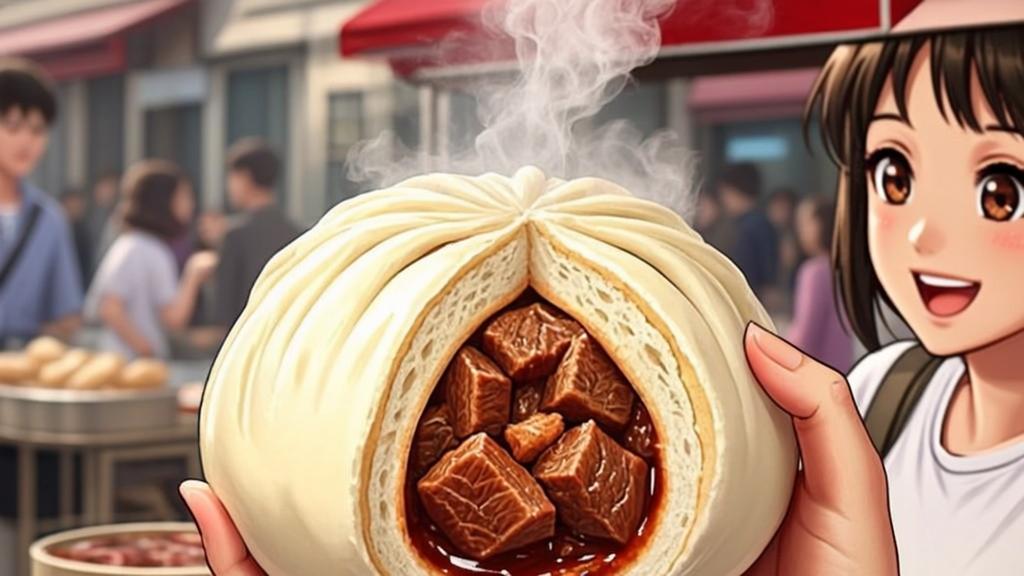
If you ask me to name the single most popular food in Yokohama Chinatown, I’d say nikuman without hesitation. These fluffy steamed buns filled with seasoned pork are perfect for eating while you explore. The dough should be pillowy soft, and the filling should be juicy and flavorful.
My go-to spot is Manchinro, located at Yamashita-cho 153. Their steamed pork buns have the perfect balance of soft, slightly sweet dough and savory meat filling. I always buy at least two because one is never enough. Look for the long lines – that’s how you know they’re fresh.
Pro tip from someone who’s made this mistake: don’t burn your mouth! The filling stays incredibly hot for several minutes after purchase. I usually tear off small pieces and let them cool slightly before eating.
Xiaolongbao – Soup Dumplings
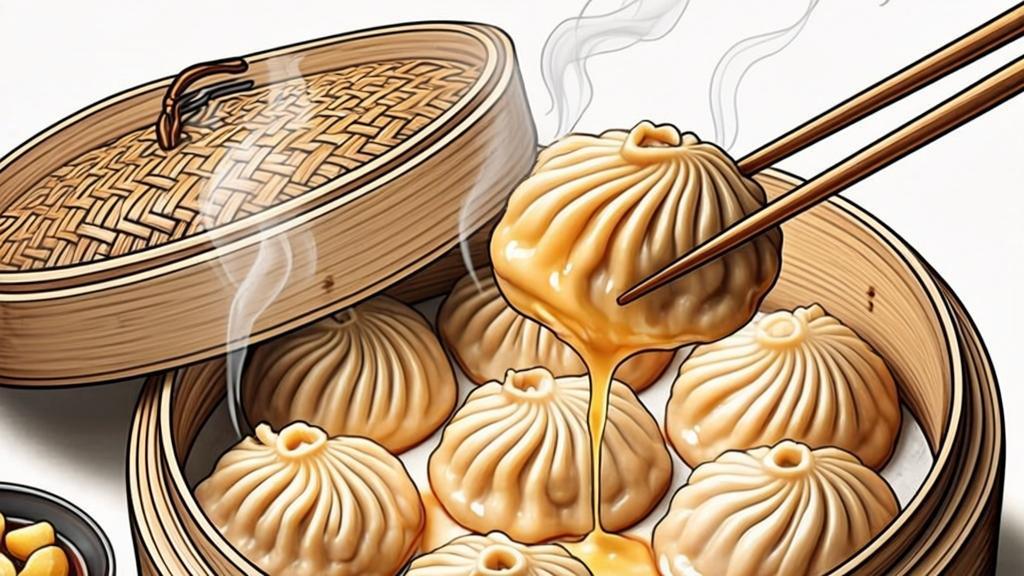
Xiaolongbao might just be my favorite Chinese invention. These delicate dumplings contain not just seasoned pork but also hot, flavorful broth inside. When you bite into them (carefully!), the soup spills into your mouth, creating an incredible burst of flavor.
For the best xiaolongbao experience, I recommend Dalian restaurant. National Geographic even featured them in their Yokohama guide. Their soup dumplings are perfectly crafted with thin wrappers that somehow manage to hold all that delicious liquid inside. I like to dip mine in black vinegar with a few slices of fresh ginger.
If you prefer something with texture, try the pan-fried version at Pengtiange. These Shanghai-style dumplings have a golden, crispy bottom while staying soft on top. The combination of textures is absolutely addictive.
Giant Fried Chicken Cutlets
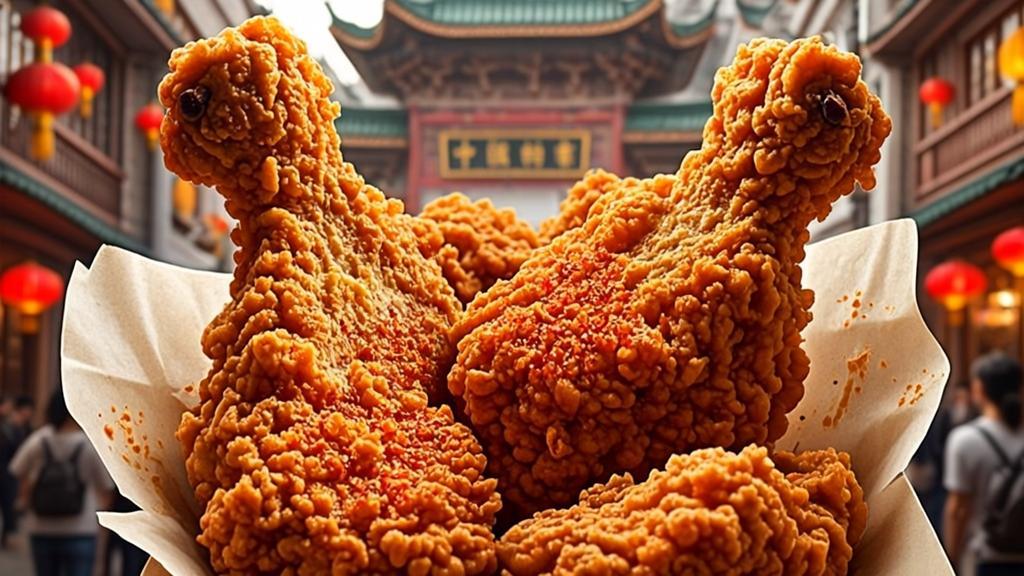
You can’t miss these – they’re literally the size of my face. The crispy fried chicken cutlets sold at various stalls around Chinatown are incredibly popular, especially with younger visitors. The chicken is flattened, breaded, and fried until golden brown, then sprinkled with Chinese spices and chili powder.
What makes these special is the contrast between the shatteringly crispy exterior and the juicy meat inside. I like getting mine with extra spice, but you can ask for mild if you prefer.
Restaurant Recommendations for Sit-Down Meals
When you’re ready for a proper meal, Yokohama Chinatown has some truly outstanding restaurants. Here are the places I keep coming back to.
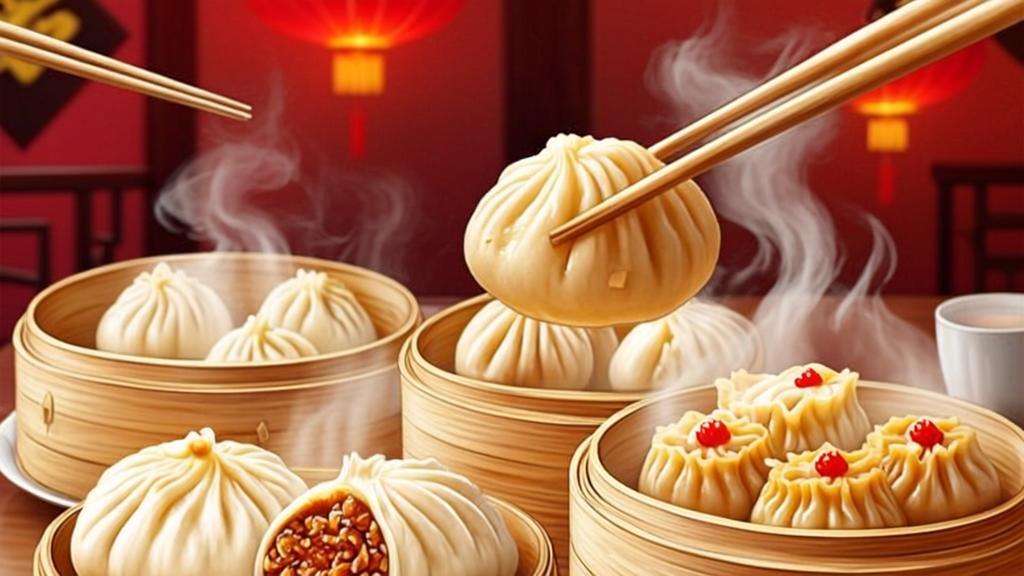
For Authentic Dim Sum: Saikoshinkan
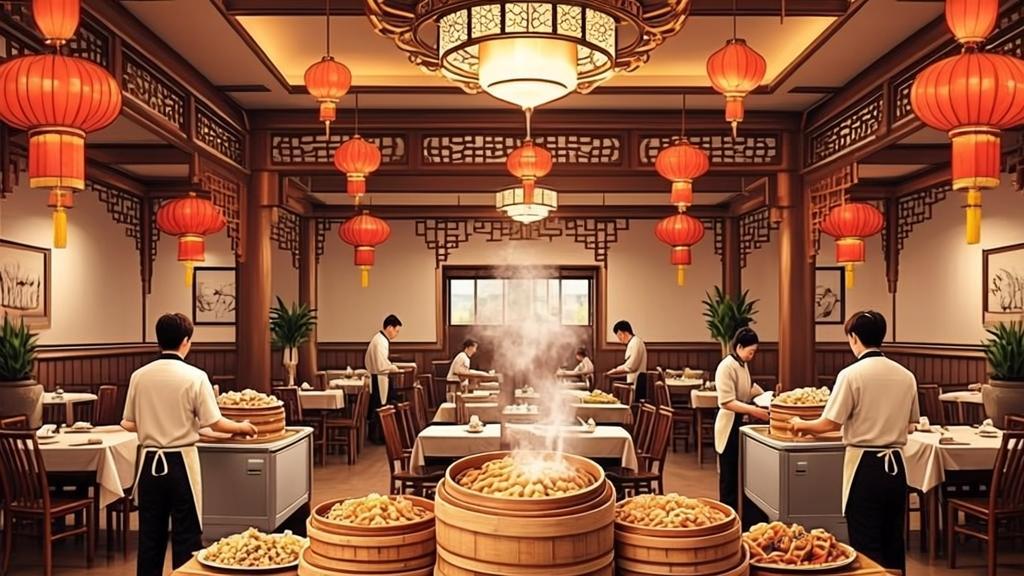
If you love dim sum as much as I do, Saikoshinkan is absolutely worth a visit. This Cantonese restaurant has earned a perfect 5.0 rating, and it’s easy to see why. They have a Hong Kong chef preparing authentic dishes that taste just like what I’ve had in Hong Kong itself.
The must-order items here include steamed chicken feet (if you’re adventurous!), char siu bao (BBQ pork buns), shrimp rice rolls, siu mai, and radish cake. I typically spend around 4,000 yen per person, which I consider excellent value for the quality.
What I appreciate most is that they don’t dumb down the flavors for tourists. This is the real deal, and dim sum lovers will be in heaven.
For Peking Duck: Minfuku Beijing Kaoya Ten

This restaurant was named a “HOT Restaurant 2025” winner, and they deserve every bit of that recognition. Their specialty is Peking duck, and they have a dedicated wood-fired oven specifically for roasting these birds to perfection.
The duck here is incredible – crispy, glistening skin wrapped in thin pancakes with scallions and sweet bean sauce. I’ve had Peking duck in Beijing, and this rivals anything I ate there. A dinner here typically runs 3,000-4,000 yen per person.
The restaurant also serves excellent Szechuan dishes and dim sum, so even if you’re not in the mood for duck, you’ll find plenty to love. They’re kid-friendly and accept credit cards, which makes logistics easier.
For Spicy Szechuan Food: Keitunchiku
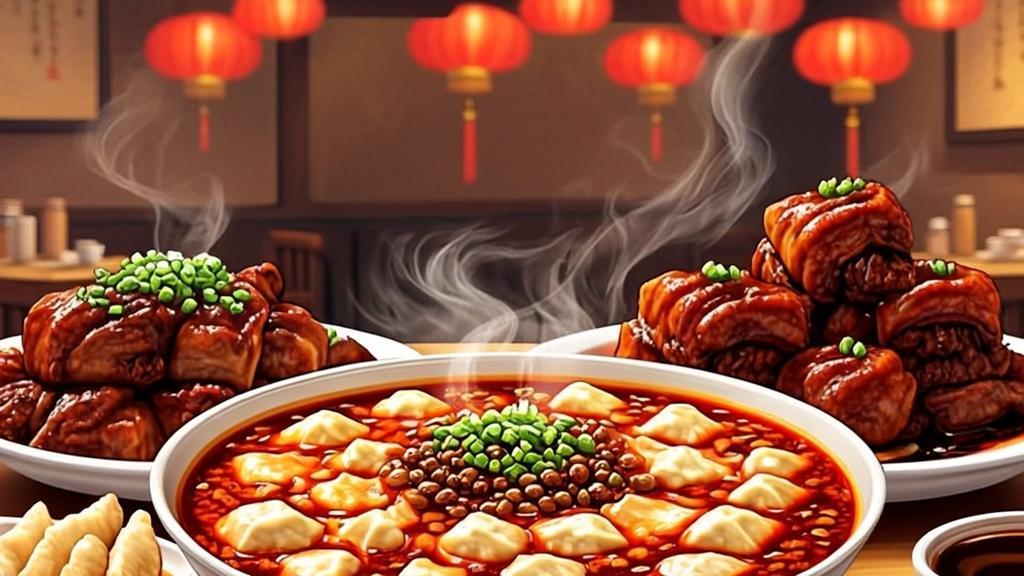
When I’m craving something with a kick, I head to Keitunchiku. This Szechuan restaurant is famous for its braised pork belly (kakuni), but honestly, everything on their menu is excellent.
The mapo tofu here is properly spicy – not the watered-down version you get at many Japanese Chinese restaurants. I always order their gyoza as well, which are crispy on the bottom and juicy inside. Lunch here is a bargain at around 650 yen, while dinner runs about 3,000 yen.
They have Chinese-speaking staff and menus in Chinese, which tells you how authentic the food is. Don’t be intimidated if you don’t speak Chinese – the staff is used to international visitors.
For a Classic Experience: Shigoroku Saikan

Established in 1961, Shigoroku Saikan is a Yokohama Chinatown institution. They specialize in Shanghai cuisine, and there’s something wonderful about eating in a restaurant that has been perfecting its craft for over 60 years.
Prices here are very reasonable – you can have a satisfying meal for 1,000-2,000 yen. They accept credit cards and have private rooms available, making this a great choice if you’re dining with a group or want a slightly more intimate experience.
Unique Foods You Should Try
Beyond the familiar favorites, Yokohama Chinatown offers some unique dishes you might not find elsewhere.
Sanmamen – A Local Invention
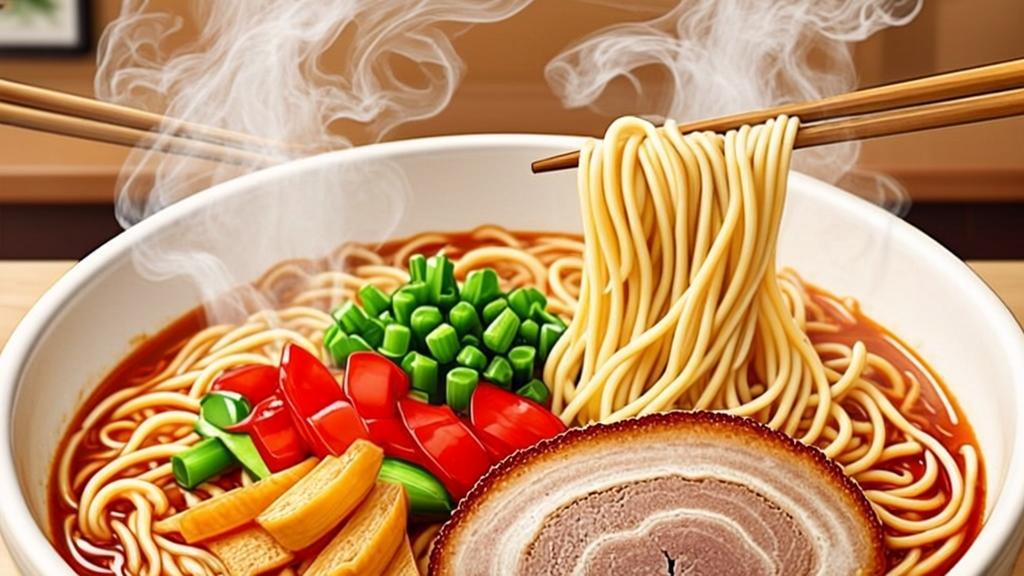
Here’s something interesting: sanmamen is actually a Yokohama original. This ramen dish features thin noodles topped with stir-fried vegetables and sliced pork in a thick, savory sauce. It’s Chinese-Japanese fusion at its finest, and you really should try it while you’re here.
The combination of crisp-tender vegetables, tender pork, and perfectly cooked noodles creates something truly satisfying. I like to think of it as the ancestor of modern ramen – this dish predates most of the ramen styles popular today.
Chinese Porridge for Breakfast
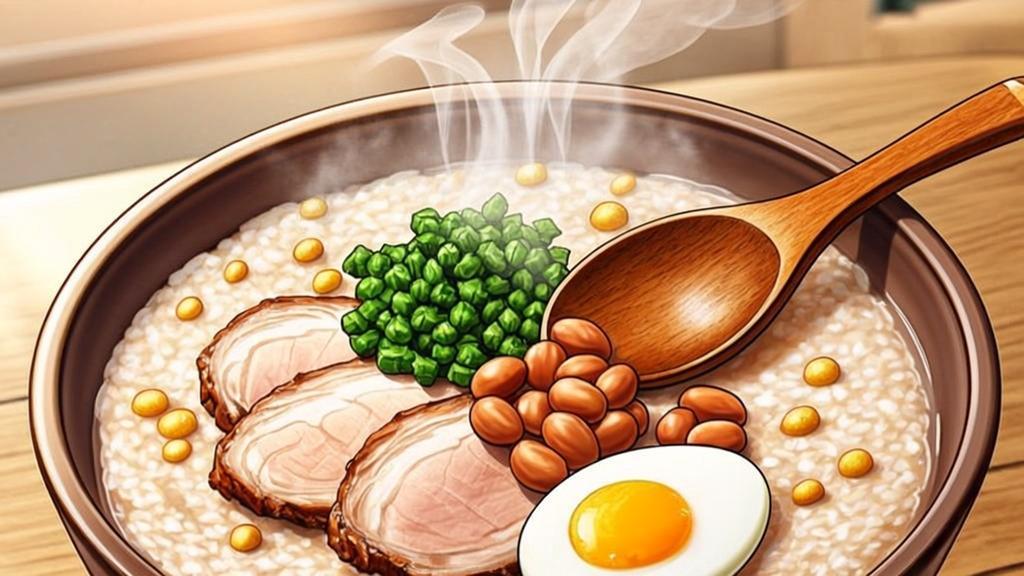
If you’re an early riser, I highly recommend starting your day with Chinese porridge. Several restaurants in Chinatown serve breakfast, and the porridge is incredibly comforting. It’s usually topped with pickled vegetables, peanuts, and your choice of meat or preserved egg.
This might seem like simple food, but there’s something deeply satisfying about a warm bowl of rice porridge on a chilly morning. It’s also very gentle on the stomach if you overindulged the night before.
Panda Buns for the Instagram

Okay, I’ll admit it – I take photos of my food. If you do too, you’ll want to find the cute panda-shaped buns sold at various stalls. These adorable treats are filled with sweet or savory fillings and are almost too cute to eat. Almost.
I know some people consider these touristy, but I think there’s nothing wrong with having a little fun with your food. Plus, they actually taste pretty good!
Practical Tips for Your Visit
After countless visits, I’ve learned a few things that can make your experience much better.
Getting There
The easiest way to reach Yokohama Chinatown is by train. Take the JR Negishi Line to Ishikawacho Station – it’s about a 5-minute walk from there. Alternatively, the Minatomirai Line to Nihon-Odori Station or Motomachi-Chukagai Station also works well.
I prefer Ishikawacho Station because the walk takes you through the main gate, which is a nice way to enter the neighborhood.
Timing Your Visit
Yokohama Chinatown is busiest on weekends and holidays, especially during lunch and dinner hours. If you want to avoid crowds, try visiting on a weekday morning. I love coming around 10 or 11 AM – the streets are quieter, and you can get into popular restaurants without waiting.
Most restaurants are open from around 10 AM to 10 or 11 PM, though hours vary by establishment.
Budget Considerations
One thing I appreciate about Yokohama Chinatown is the range of price points. Street food typically costs 200-600 yen per item, budget lunch sets are available from 650-1,000 yen, and proper dinners run 2,500-4,000 yen per person. You could easily spend a full day eating here for under 3,000 yen if you stick to street food.
For sit-down meals, most restaurants accept credit cards, but I always carry some cash just in case. Some of the smaller stalls only take cash.
Making Reservations
For popular restaurants, especially on weekends, I strongly recommend making reservations. You can usually call ahead or ask your hotel concierge to help. The “HOT Restaurant 2025” winners especially get crowded, so planning ahead will save you from long waits.
A Note on Language
While many restaurants have English menus and some staff speak basic English, don’t be surprised if communication is sometimes challenging. I’ve found that pointing, smiling, and being patient goes a long way. Most restaurants have pictures on their menus, which makes ordering straightforward even if you can’t read Japanese or Chinese.
If you have dietary restrictions, I recommend learning a few key phrases in Japanese or having them written down. “Allergy” in Japanese is “arerugi,” and you can point to ingredients you need to avoid.
Beyond the Food
While this guide focuses on food, I’d be remiss if I didn’t mention that Yokohama Chinatown offers more than just incredible eating. The Kwan Tai Temple, built in 1862, is worth a quick visit. The colorful architecture throughout the neighborhood makes for great photos. And if you have time, Yokohama’s waterfront, Red Brick Warehouse, and Cup Noodle Museum are all within walking distance.
I often combine a Chinatown food crawl with a stroll through Yamashita Park afterward. It’s a nice way to walk off all that eating while enjoying views of the harbor.
Conclusion
Yokohama Chinatown remains one of my favorite food destinations in Japan, and I’m confident it will become one of yours too. Whether you’re grabbing a steamed pork bun from a street vendor, indulging in world-class Peking duck, or exploring the unique flavors of Szechuan cuisine, you’re in for an unforgettable culinary adventure.
The beauty of this place is that there’s always something new to discover. Even after years of visits, I still stumble upon restaurants I’ve never noticed and dishes I’ve never tried. That’s what keeps me coming back.
So when you visit, come hungry, bring your sense of adventure, and don’t be afraid to try something unfamiliar. The food here tells the story of Chinese immigrants who made Yokohama their home, and every bite connects you to that rich history.
If you found this guide helpful, check out our other Japan travel resources. We’re constantly updating our content to help you make the most of your Japan adventure.
Explore More of Japan
Planning your trip to Japan can be overwhelming with so many incredible places to visit. From the bustling streets of Tokyo to the historic temples of Kyoto, there’s something for every type of traveler. If you’re looking for personalized recommendations and expert guidance for your Japan adventure, visit Japaner Guide for comprehensive travel resources, local tips, and curated itineraries.