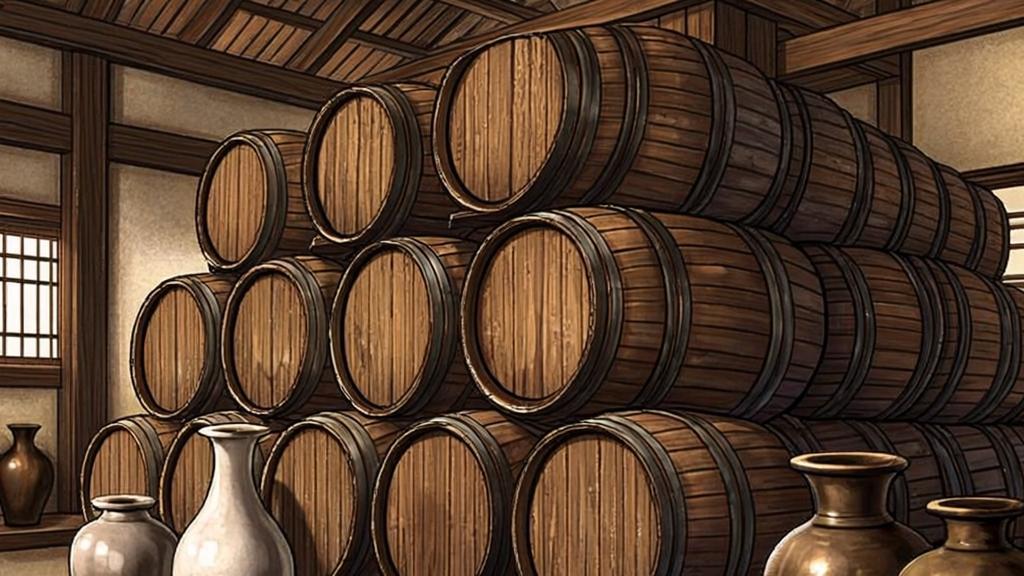
Introduction: Why I Fell in Love with Japanese Sake
When I first moved to Japan, I honestly didn’t understand what all the fuss was about with sake. Growing up, I’d tried cheap warm sake at sushi restaurants back home and thought that was the whole story. Boy, was I wrong. After spending years exploring Japan’s sake culture, visiting dozens of breweries, and tasting hundreds of varieties, I’ve come to appreciate why this ancient drink is experiencing a global renaissance.
In December 2024, traditional Japanese sake brewing was officially recognized as a UNESCO Intangible Cultural Heritage. This recognition has sparked renewed interest worldwide, and honestly, there’s never been a better time to explore sake in Japan.
Whether you’re planning your first trip to Japan or you’re a seasoned traveler looking to dive deeper into Japanese culture, this guide will walk you through everything you need to know about experiencing sake like a local.
Understanding Sake: The Basics
What Exactly Is Sake?
First things first: what we call “sake” in English is actually called “nihonshu” in Japan. The word “sake” simply means alcohol in Japanese, referring to any alcoholic beverage. But for this guide, I’ll use “sake” as most English speakers do.
Sake is brewed from four simple ingredients: rice, water, koji mold (which converts starch to sugar), and yeast. The brewing process is more similar to beer production than wine, though the alcohol content typically falls between 15-18%, comparable to wine.
The magic lies in the details: the type of rice used, how much the rice is polished, the mineral content of the water, and the skill of the brewmaster (called “toji”). These factors create an incredible range of flavors, from light and floral to rich and earthy.
Sake Classification: Not All Sake Is Created Equal
Understanding sake classifications changed everything for me. Here’s what you need to know:
Junmai-shu (Pure Rice Sake) – This is my everyday favorite. No added alcohol, just rice, water, koji, and yeast. Junmai tends to be fuller-bodied with rich, umami flavors. It’s great served warm or at room temperature.
Honjozo-shu – A small amount of distilled alcohol is added to enhance aroma and texture. These sakes are generally lighter and easier to drink.
Ginjo-shu – Premium sake where the rice has been polished to at least 60% of its original size. The result? Elegant, fragrant, and perfect for special occasions. Best served cold.
Daiginjo-shu – The super-premium category with rice polished to at least 50%. These are incredibly delicate and aromatic. I save these for celebrations.
The Rice Polishing Ratio Explained
This confused me at first, but it’s actually simple. The outer portion of rice grains contains proteins and fats that can create rough flavors. By polishing away more of the outer layer, brewers achieve cleaner, more refined tastes.
A polishing ratio of 60% means 40% of the grain has been removed. Generally, lower percentages mean more premium sake, though I’ve had incredible Junmai with higher ratios too.
Japan’s Major Sake Regions: Where to Go
I’ve visited sake regions across Japan, and each has its own character. Here are the ones worth adding to your itinerary.
Nada District, Kobe (Hyogo Prefecture)
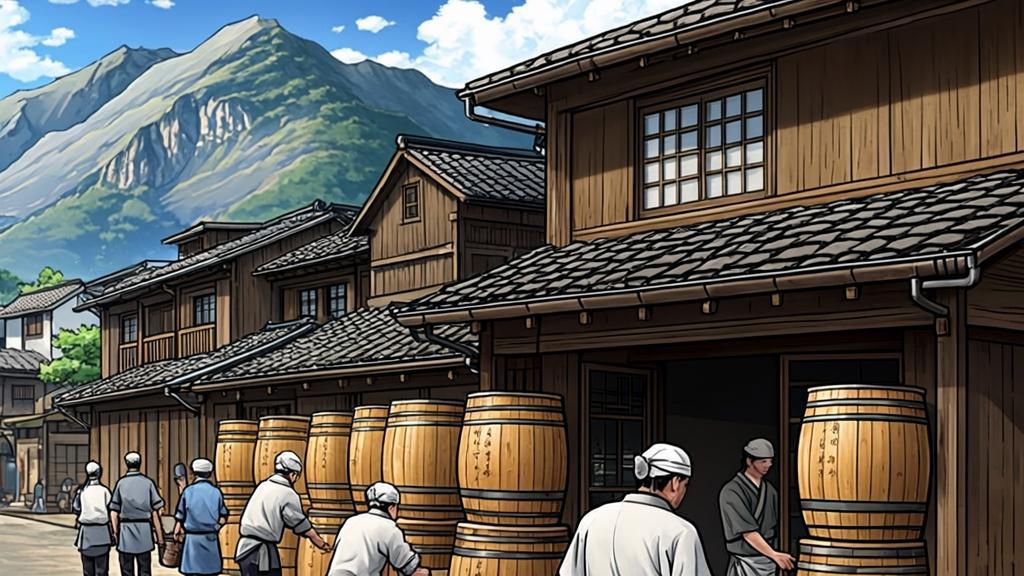
If you only visit one sake region, make it Nada. This is Japan’s top sake-producing area, home to over 26 breweries. The region became famous for sake brewing because of three things: high-quality rice from nearby fields, mineral-rich water called “Miyamizu,” and convenient port access for distribution.
Walking through Nada, I visited historic breweries like Sakuramasamune (founded in 1625) and Kikumasamune (1659). These places have been making sake for nearly 400 years! Most breweries offer tours and tastings, and the district is easily accessible from central Kobe.
Pro tip: Book a guided tour that visits 3-4 breweries. You’ll learn more in one afternoon than weeks of independent research.
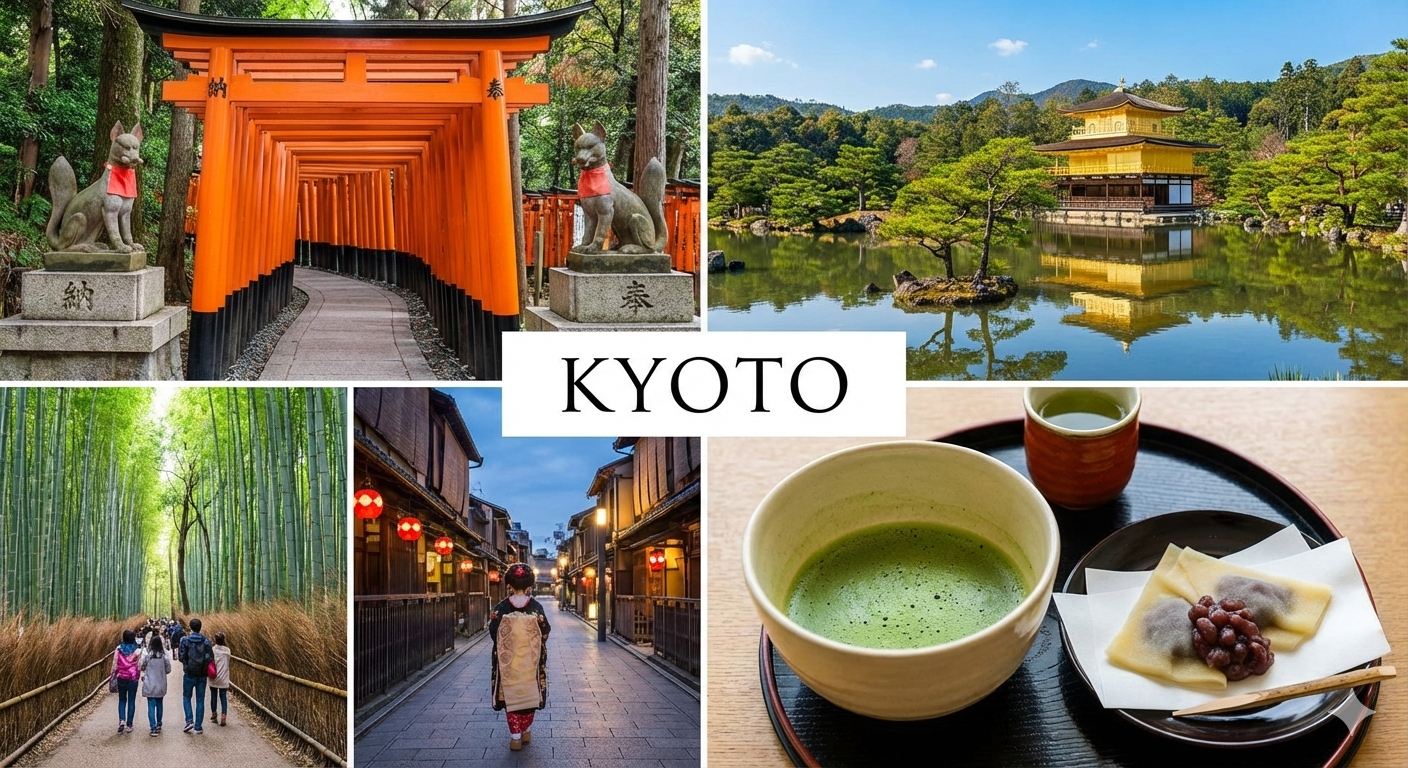
Fushimi, Kyoto
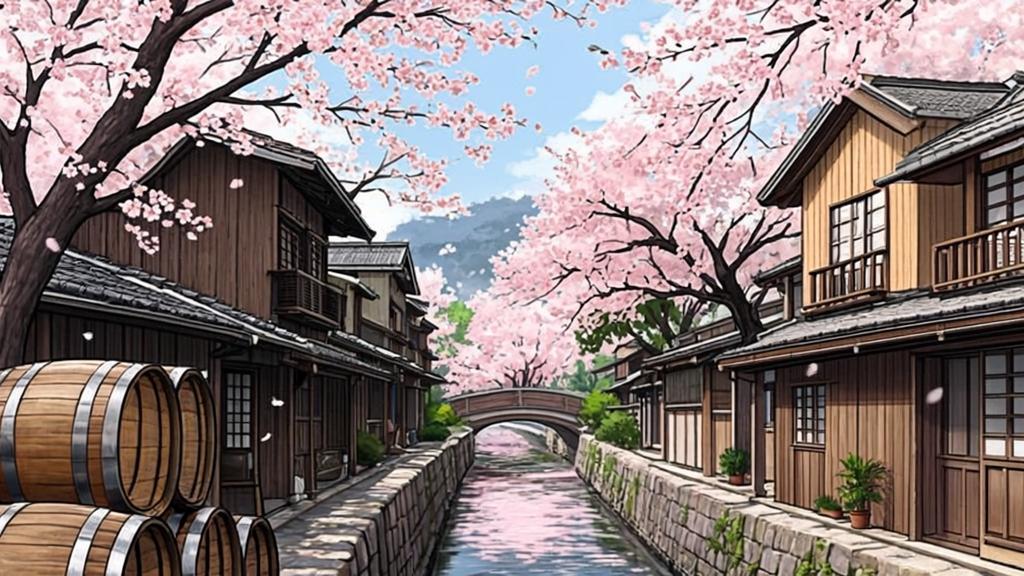
Kyoto’s Fushimi district is the second-largest sake producer in Japan. What makes this area special is its soft groundwater, called “Fushimizu,” which creates smoother, more elegant sakes compared to Nada’s bolder style.
The star here is Gekkeikan Brewery, established in 1637. Their 200-year-old wooden brewery building is a National Cultural Asset. During my visit, I saw traditional brewing tools and learned about the kimoto method, an ancient technique for creating the fermentation starter.
Fushimi also hosts an annual sake festival in March 2026, which is perfect timing if you’re planning a spring trip.
Niigata Prefecture
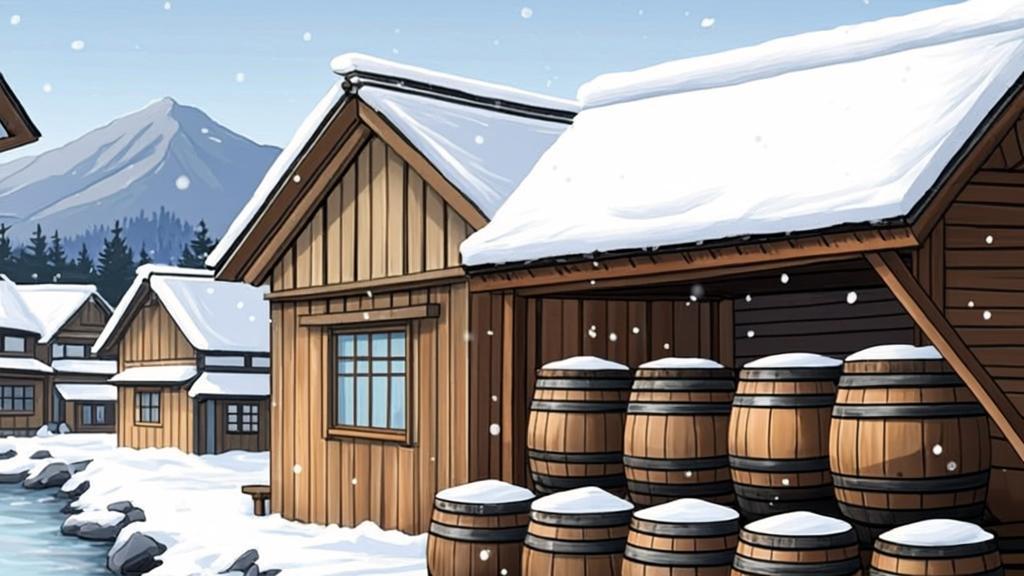
Niigata is legendary among sake enthusiasts. The region’s heavy snowfall creates incredibly pure water, and the cold climate is ideal for brewing. Niigata sakes are typically crisp, clean, and dry – what the Japanese call “tanrei karakuchi.”
On Sado Island off Niigata’s coast, I visited Obata Shuzo, founded in 1892. They were the first brewery in Niigata to open their doors to the public, and their MANOTSURU brand is excellent. The island has five active breweries, making it a unique destination for sake tourism.
Nagano Prefecture
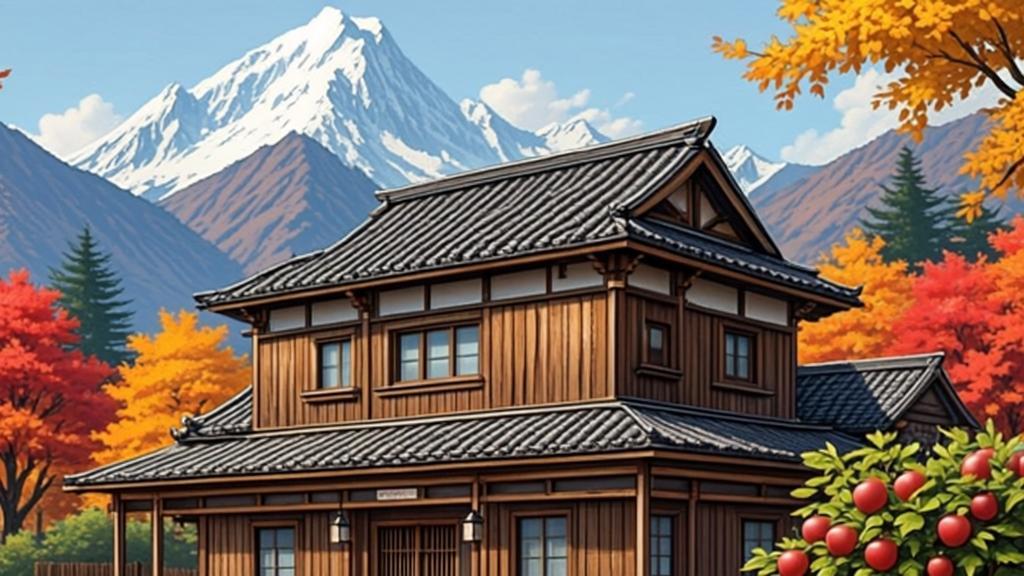
Nagano holds a special place in sake history. Masumi Brewery, established in 1662, discovered “Kyokai No.7” yeast in the 1940s. Today, this yeast is used by approximately 60% of Japanese brewers. That’s incredible influence!
Nagano’s high altitude and pure mountain water create distinctive sakes. Plus, the region is famous for apples and buckwheat, so there are interesting food pairings to explore.
How to Drink Sake: A Beginner’s Guide
Temperature Matters More Than You Think

One of sake’s unique qualities is that it can be enjoyed at various temperatures. Here’s what I’ve learned through trial and error:
Cold (5-15°C): Premium sakes like ginjo and daiginjo shine when cold. You’ll notice delicate floral and fruity aromas that disappear when warmed.
Room Temperature (15-20°C): Junmai and other full-bodied sakes express their character best here. This is how I enjoy most daily drinking sake.
Warm (30-50°C): Don’t believe anyone who says warming sake is only for low-quality bottles. Certain sakes, especially junmai, develop wonderful depth and umami when gently warmed. Just don’t overdo it – too hot kills the flavor.
My advice: Try the same sake at different temperatures and discover your preference.
Serving Vessels: From Traditional to Modern
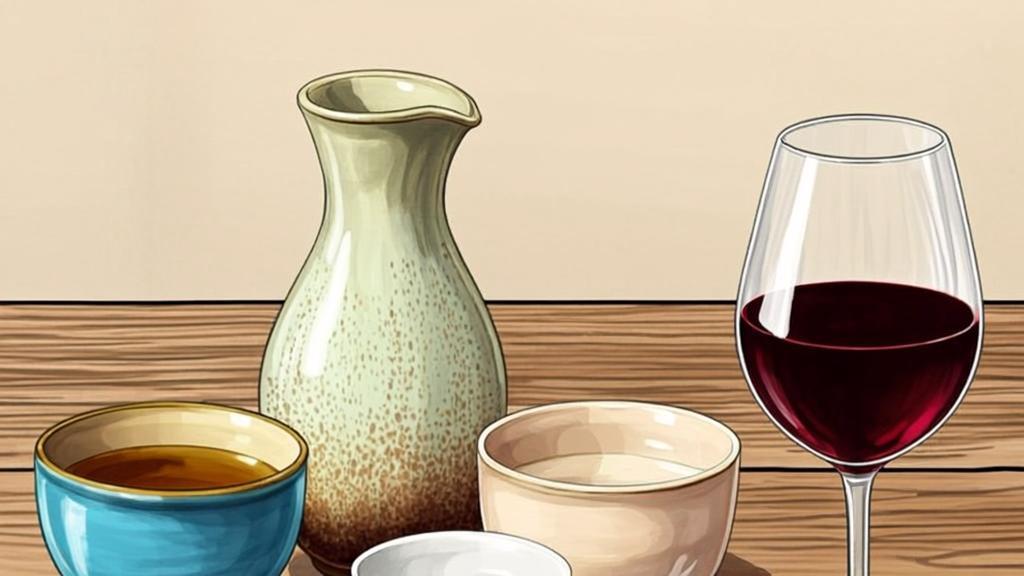
Sake ware varies widely, and each type offers a different experience:
Tokkuri: The small ceramic carafe you’ve probably seen at restaurants. Great for warm sake.
Ochoko: Small personal cups that come in countless designs. Drinking from these tiny cups encourages slow, mindful sipping.
Sakazuki: Traditional flat porcelain cups used for ceremonies and special toasts.
Masu: Wooden boxes originally used for measuring rice. Some restaurants fill these until sake overflows as a gesture of hospitality. The wood adds a subtle cedar aroma.
Wine Glass: Don’t laugh – I’ve found that aromatic premium sakes like daiginjo actually taste better in wine glasses. The shape concentrates those delicate aromas.
Sake Etiquette: What I Wish I’d Known
Japanese drinking etiquette initially intimidated me, but it’s actually straightforward:
When pouring for others, use both hands – one hand pours while the other supports your arm. When receiving, hold your cup with both hands. During toasts, say “Kanpai!” (pronounced kan-pie).
If you’re drinking with elders or superiors, keep your cup rim lower than theirs when clinking. And it’s polite to turn slightly away when drinking directly in front of someone senior.
But here’s the truth: most Japanese people are understanding with foreigners. Don’t stress too much about perfect etiquette. Just be respectful and enjoy yourself.
Planning Your Sake Brewery Visit
Best Time to Visit
The sake brewing season runs from October to April, with peak activity from December to March. Visit during these months if you want to see actual brewing in progress.
However, most breweries have museums, shops, and tasting rooms open year-round. I’ve enjoyed summer visits too – fewer crowds and more time to chat with staff.
What to Expect on Brewery Tours
Tours typically last 30-60 minutes and cover the brewing process from rice polishing to fermentation. You’ll see enormous fermentation tanks, learn about the toji system, and of course, taste sake.
Some tours require advance reservations, especially for English-language options. Ishikawa Brewery near Tokyo offers tours in English and French, which is rare.
Tips for Your Visit
Eat before your tour – tasting on an empty stomach is a rookie mistake. Wear comfortable shoes since you’ll be walking through brewery facilities. Bring a backpack for souvenirs; trust me, you’ll want to buy bottles.
Where to Experience Sake in Japan
Izakaya (Japanese Pubs)
Izakaya are my favorite places to explore sake. These casual establishments offer extensive selections and staff who can recommend pairings. Start with a tasting flight to discover your preferences.
Sake Bars
Specialized sake bars cater to enthusiasts. The staff here are incredibly knowledgeable, and you’ll find rare, seasonal selections not available elsewhere.
Convenience Stores and Supermarkets
Don’t overlook these! Japanese convenience stores stock mainstream sake brands at reasonable prices. It’s an easy way to try different types without breaking the bank.
Specialty Shops
For the widest selection, visit dedicated sake shops. Staff can guide you based on your preferences, and many offer tastings.
Final Thoughts: My Advice for Sake Beginners
After years of sake exploration, here’s what I tell everyone starting their journey:
Don’t worry about rules or seeming knowledgeable. Sake is meant to be enjoyed, not analyzed to death. Try different styles, temperatures, and pairings. Visit breweries and talk to the people who make sake – their passion is contagious.
Start with tasting flights to discover what you like. I’ve met people who swore they hated sake until they tried the right one at the right temperature.
Sake is deeply connected to Japanese culture, history, and hospitality. When someone pours you sake in Japan, they’re not just giving you a drink – they’re welcoming you into their world.
So go ahead, say “kanpai,” and discover why this ancient drink continues to captivate people around the globe. Your sake journey in Japan awaits.