Having lived in Japan for over five years and visited hundreds of cafes from Hokkaido to Okinawa, I have developed a deep appreciation for the unique coffee culture that exists nowhere else in the world. As a certified coffee enthusiast who has studied Japanese culinary traditions and interviewed numerous cafe owners across the country, I am excited to share my insights into the fascinating world of Japanese cafe culture.
Japanese cafe culture is not just about drinking coffee. It is an immersive experience that blends history, craftsmanship, hospitality, and aesthetic beauty into something truly special. Whether you are planning your first trip to Japan or you are a seasoned traveler looking to deepen your understanding, this guide will help you navigate and appreciate the diverse landscape of Japanese cafes.
Understanding the Three Types of Japanese Coffee Establishments
Before diving into specific recommendations, it is essential to understand the three main categories of coffee establishments you will encounter in Japan. Each offers a distinctly different experience.
Kissaten (Traditional Coffee Shops)
Kissaten are the heart and soul of traditional Japanese coffee culture. These establishments, whose name literally means tea-drinking shop, emerged in the early 20th century and continue to offer a nostalgic, intimate atmosphere that feels like stepping back in time.
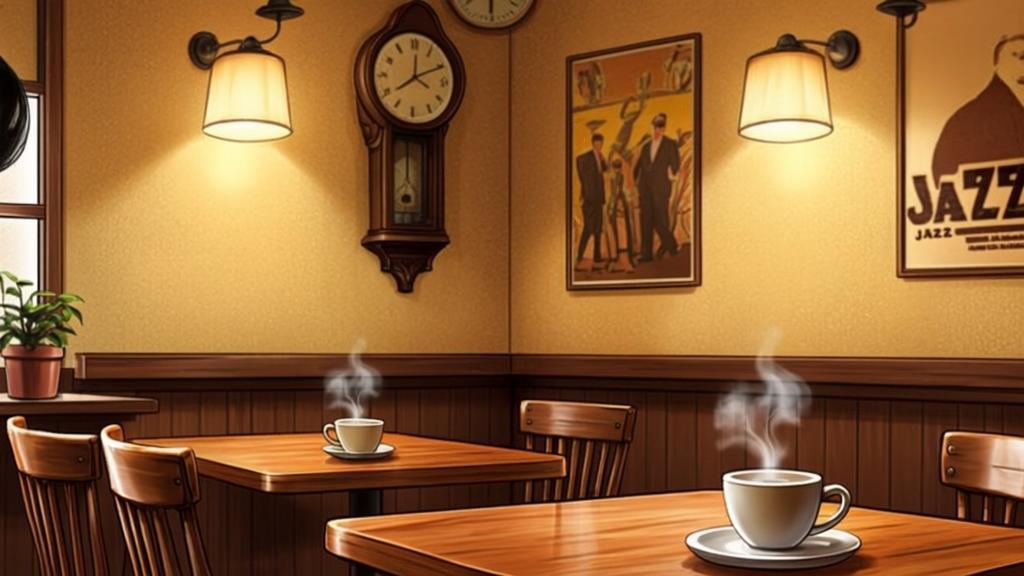
When you enter a kissaten, you will typically find dim lighting, dark wooden furniture, and a quiet atmosphere perfect for contemplation. The owner, often called Master, usually runs the establishment alone or with a spouse, creating a deeply personal experience. These shops are not designed for quick coffee fixes. Instead, they encourage customers to linger, read, think, or simply enjoy the moment.
Classic menu items at kissaten include deeply roasted black coffee, thick-cut toast with butter, homemade pudding (purin), and simple spaghetti dishes. The coffee cups are often carefully selected by the Master to match each customer personality, adding a personal touch you will not find anywhere else.
Modern Cafes (Cafe)
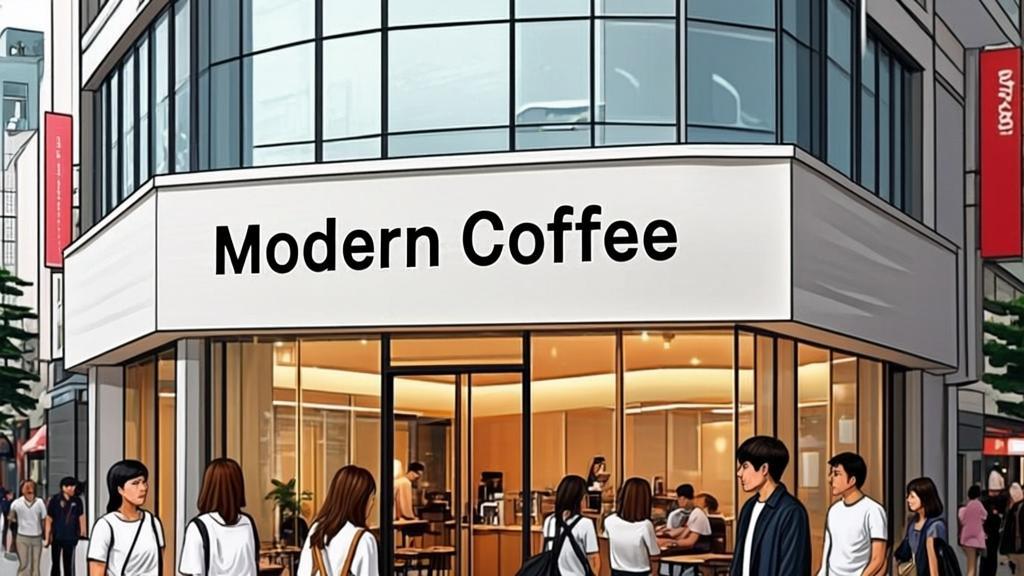
The term cafe in Japan typically refers to more modern, Western-style establishments. These spaces are brighter, more open, and designed for socializing. Unlike kissaten, modern cafes often offer WiFi, power outlets, and extensive food menus including sandwiches, salads, and elaborate desserts.
In recent years, many modern cafes have embraced the third wave coffee movement, focusing on single-origin beans, light roasts, and precise brewing methods. Chains like Blue Bottle Coffee, Arabica, and numerous independent specialty shops have transformed the landscape while still maintaining distinctly Japanese sensibilities.
Specialty Coffee Shops
Japan specialty coffee scene deserves its own category. These establishments take coffee craftsmanship to extraordinary levels, treating every step from bean selection to brewing as an art form. Japanese baristas are known worldwide for their precision, and many have won international competitions.
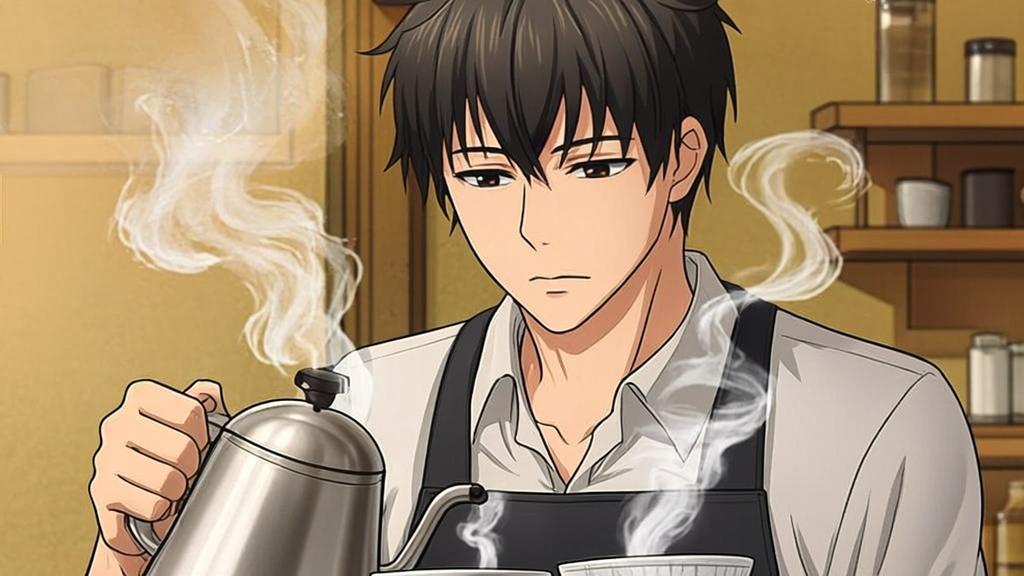
The hand-drip method, in particular, has been elevated to a ceremonial level in Japan. Baristas time every pour to the second, carefully control water temperature between 88-92 degrees Celsius, and pay meticulous attention to grind size and filter preparation. Watching a skilled Japanese barista prepare coffee is like watching a master calligrapher at work.
Must-Visit Cafes in Japan
Kyoto Cafe Treasures
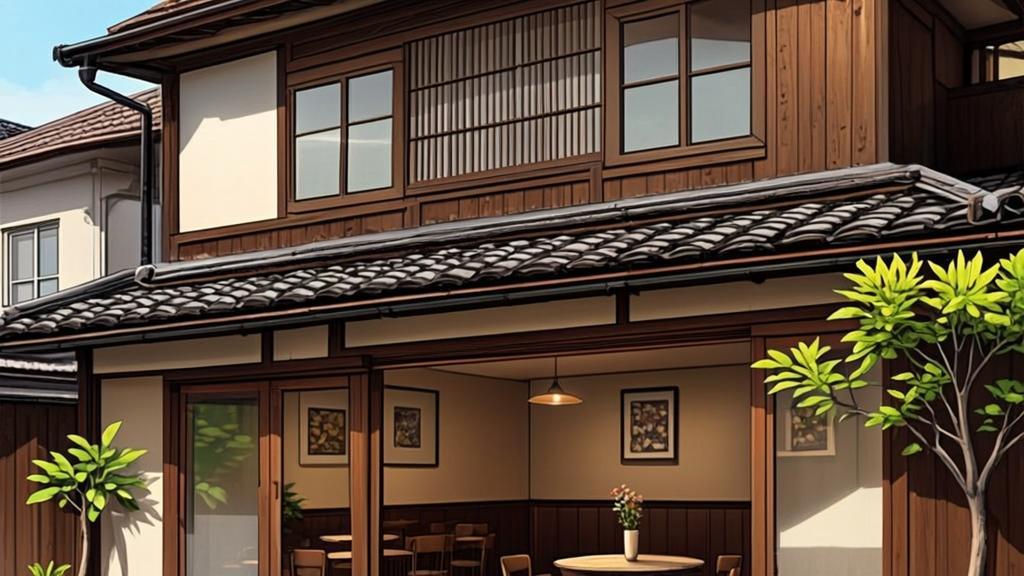
Kyoto offers some of Japan most atmospheric cafe experiences. The city combination of traditional architecture and refined aesthetic sensibility creates perfect settings for exceptional coffee.
Blue Bottle Coffee Kyoto is housed in a century-old traditional machiya (townhouse) near Nanzenji Temple. Many consider it the most beautiful Blue Bottle location in the world, seamlessly blending modern specialty coffee culture with traditional Japanese architecture.
Arabica Kyoto in Higashiyama offers world-class coffee with stunning temple views. Founded by world latte art champions, this cafe has become a pilgrimage destination for coffee enthusiasts worldwide.
Kaikado Cafe represents the perfect fusion of traditional craftsmanship and modern cafe culture. Established near a tea canister shop dating back to 1875, this cafe features beautiful Nordic furniture mixed with traditional Kyoto woodworking.
Tokyo Diverse Coffee Landscape
Tokyo offers an overwhelming variety of cafe experiences, from historic kissaten to cutting-edge specialty shops.
BERG in Shinjuku has been serving customers since the 1970s. This retro establishment offers coffee, beer, and simple meals in an authentic old-school atmosphere. Their Western breakfast for just 500 yen is legendary among locals.
Cafe de L Ambre in Ginza is a pilgrimage destination for serious coffee enthusiasts. This legendary establishment specializes in aged coffee beans, some stored for decades, creating unique flavor profiles you cannot experience anywhere else.
KITASANDO COFFEE represents the modern face of Tokyo specialty coffee. Their minimalist white and wood design creates a serene environment for enjoying carefully prepared pour-over coffee and seasonal sweets.
The Art of Coffee and Wagashi Pairing
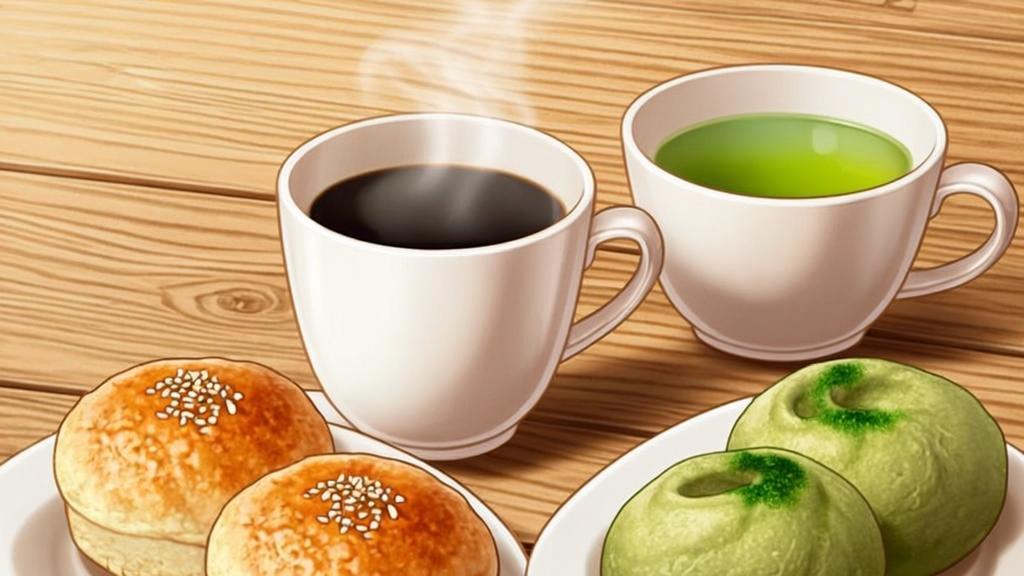
One of the most delightful aspects of Japanese cafe culture is the pairing of coffee with wagashi, traditional Japanese sweets. This practice represents a beautiful fusion of Western and Japanese culinary traditions.
Unlike Western pastries, wagashi are typically made from plant-based ingredients like sweet bean paste, rice flour, and fruits. Their subtle sweetness and artistic presentation complement the complex flavors of specialty coffee without overwhelming the palate.
Many cafes offer seasonal wagashi that reflect the changing seasons, from cherry blossom motifs in spring to maple leaf designs in autumn. This attention to seasonal beauty, known as shun, is deeply embedded in Japanese culture and enhances the overall cafe experience.
Essential Cafe Etiquette for Visitors
Understanding basic Japanese cafe etiquette will enhance your experience and show respect for local customs.
Entering: Wait to be seated if there is a host. Otherwise, you may choose your own seat. In traditional establishments with tatami flooring, remove your shoes at the entrance.
Ordering: In many cafes, you will receive a menu at your table. Some establishments use ticket machines at the entrance. When in doubt, observe what other customers are doing.
Paying: In traditional kissaten, signal for the check by crossing your hands in an X shape. In modern cafes, bring your bill to the register. Remember that tipping is not customary in Japan and can cause confusion.
Atmosphere: Japanese cafes tend to be quieter than their Western counterparts. Keep conversations at a moderate volume and respect the peaceful atmosphere that many customers seek.
Time: Traditional kissaten encourage lingering, but during busy hours, try to be mindful of other customers waiting. In modern cafes with laptop-friendly policies, time limits may apply.
The Unique Innovations of Japanese Coffee Culture
Japan has contributed several innovations to global coffee culture that are now taken for granted.
Canned Coffee: Japan invented canned coffee in the 1960s, revolutionizing convenience coffee consumption. Today, Japanese vending machines offer an incredible variety of canned coffee options, from intense black coffee to sweet milk coffee.
Hand-Drip Revival: While pour-over coffee fell out of favor in many Western countries, Japan maintained and refined these techniques. The global resurgence of hand-drip coffee owes much to Japanese craftsmanship and precision.
Siphon Coffee: Japanese cafes have elevated siphon brewing to an art form. Watching a skilled barista prepare siphon coffee is mesmerizing, and the resulting brew offers exceptional clarity and flavor.
Practical Tips for Your Cafe Journey
Here are some practical tips to make the most of your Japanese cafe experience:
- Learn the terminology: Knowing the difference between kissaten, cafe, and specialty shops will help you choose the experience you want.
- Bring cash: Many traditional kissaten still only accept cash. Even in modern establishments, cash is universally accepted.
- Try the classics: Vienna coffee (coffee with whipped cream), deep-roasted drip coffee, and house-made pudding are kissaten staples worth trying.
- Respect photography rules: Some traditional establishments prefer no photography. Always ask if unsure.
- Visit during off-peak hours: Popular cafes can get crowded. Visiting on weekday mornings or afternoons often provides a more relaxed experience.
- Explore neighborhoods: Some of the best cafes are hidden in residential neighborhoods. Do not be afraid to venture off the main tourist paths.
Conclusion
Japanese cafe culture offers something for everyone, from the nostalgic charm of traditional kissaten to the innovative excellence of modern specialty shops. What unites all these experiences is a deep appreciation for craftsmanship, attention to detail, and genuine hospitality.
Whether you are sipping carefully aged coffee at a legendary Ginza establishment, enjoying hand-drip coffee in a converted Kyoto machiya, or simply taking a break with canned coffee from a vending machine, you are participating in a rich cultural tradition that continues to evolve while honoring its roots.
I hope this guide inspires you to explore the wonderful world of Japanese cafes. Each cup tells a story, and every shop has its own unique character waiting to be discovered.
For more Japan travel tips and guides, visit Japaner Guide.